Category
Interviews
-
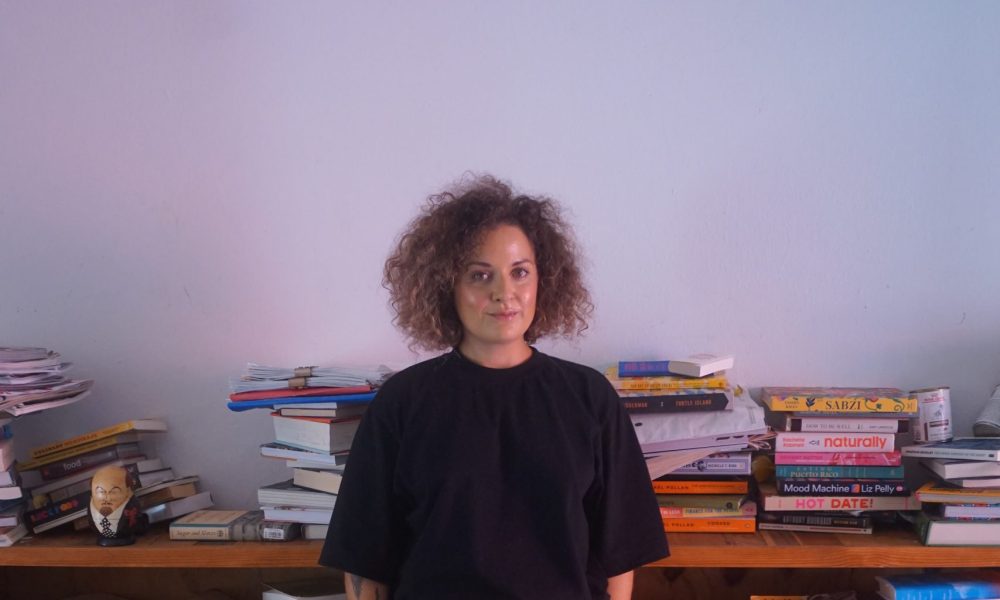
“The Interdisciplinary Nature of Food Is Now Un-ignorable”: Alicia Kennedy on Food Writing, Food Security, and Food Justice
“Food writing can no longer just be ‘go to this restaurant’ or ‘explain this dish or cocktail.’”
-
“Courage or Foolhardiness”: Talking Aimé Césaire with Alex Gil
-
We Are the Authors of the Story of Citizenship: Daisy Hernández on America’s Myth
-
“Disaster Has Happened and Is Happening”: Tara Menon on What the Novel Reveals
-
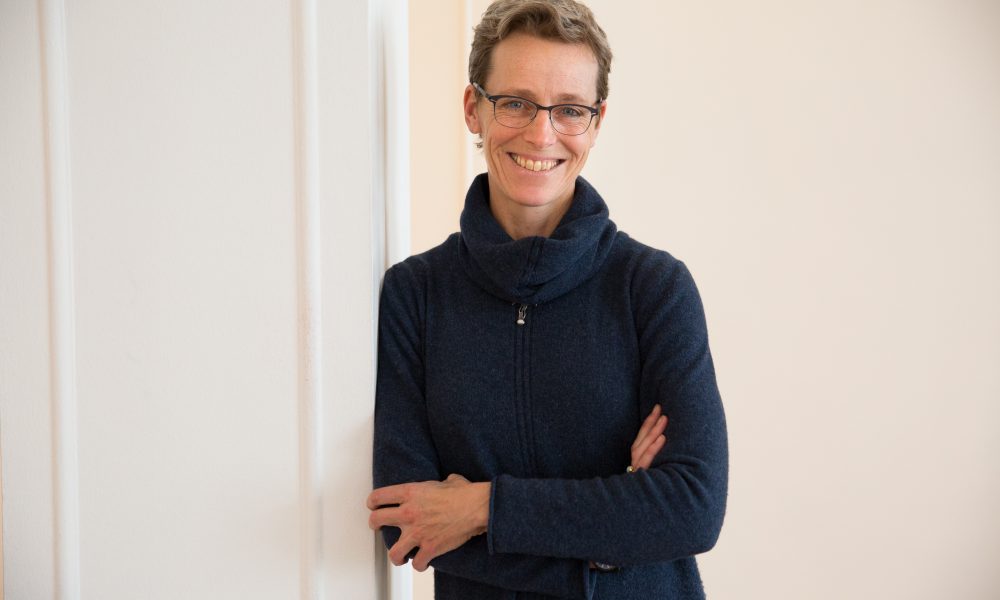
“Recover, Replant, Return”: Talking Nuclear History, Writing, and Food with Kate Brown
-
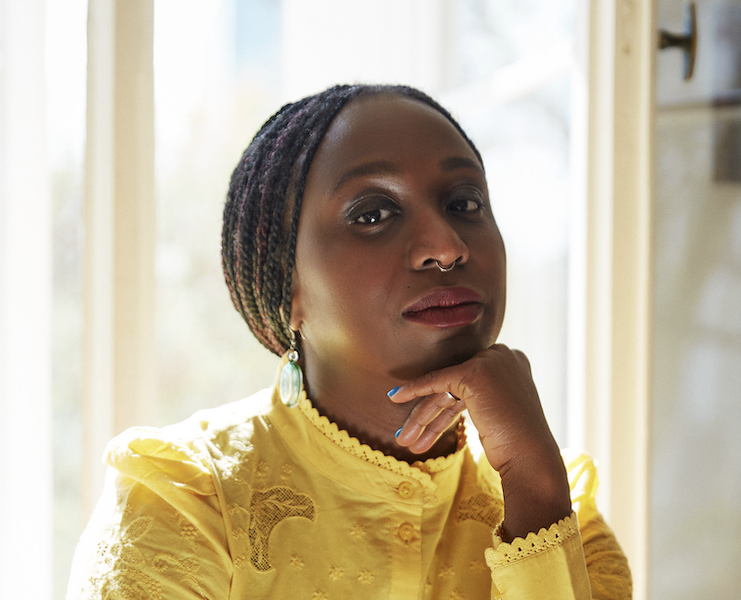
“To Wither in the Same Way We Shall”: Talking Archives, Diseases, and History with Edna Bonhomme
“The progressive and leftist organizers that I knew before think about three things: educate, organize and agitate. And that could apply to the public health students and public health people.”
-

Defending the Possibility of the University: A Roundtable on “University Keywords”
“What would it look like for faculty unions and graduate student unions to collaborate or work together with K-12 teachers’ unions to push back against anti-DEI legislation or book bans?”
-
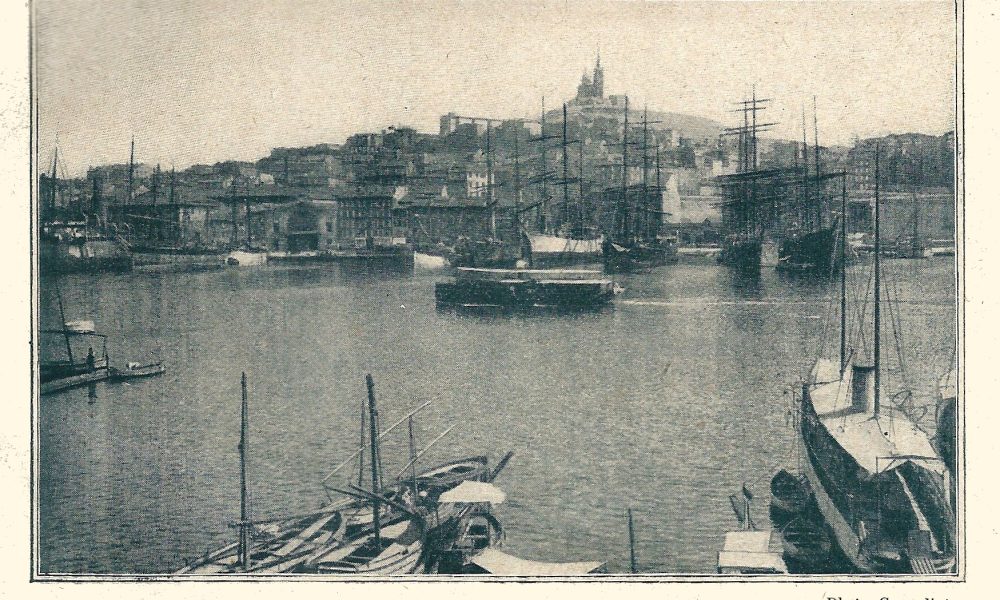
At the Edge of Erasure: An Interview with Anouche Kunth, Historian of Exile
In the basement of a French administration office there was a mass of 12,000 documents related to the refugees of the Armenian genocide, telling a terse story of loss.
-

“Not So Ephemeral After All”: Talking Op-Eds, War, and Memory with Bécquer Seguín
“Why does the op-ed still hold sway over writers who want to be intellectuals or want to have some public presence?”
-
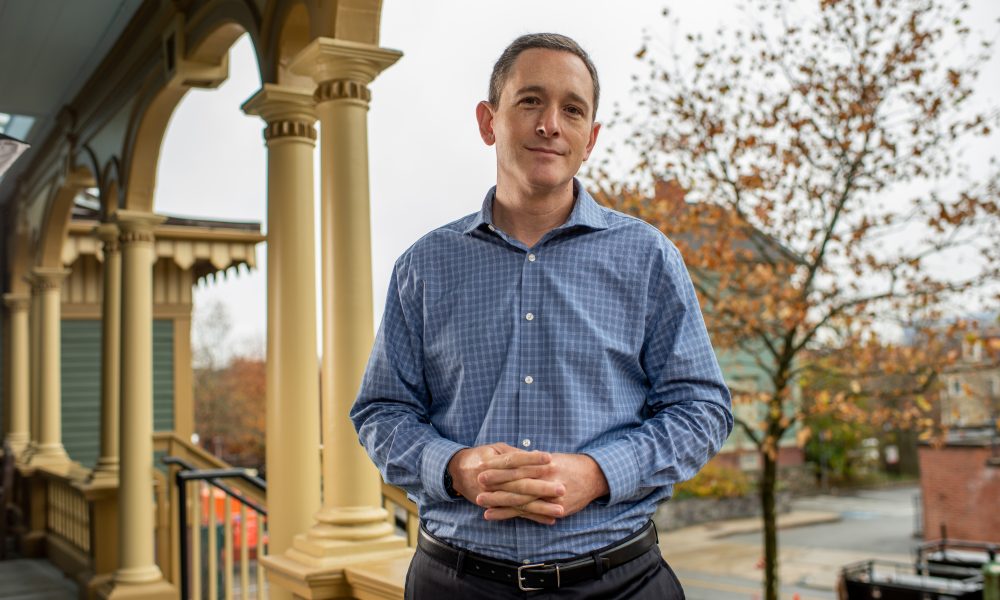
Cloth and Complicity: Seth Rockman on Plantations, Textiles, and the Art of Weaving
“But I had found a set of instructions in the archives of one of New England’s leading manufacturers of low-end woollen cloth for enslaved wearers.”
-
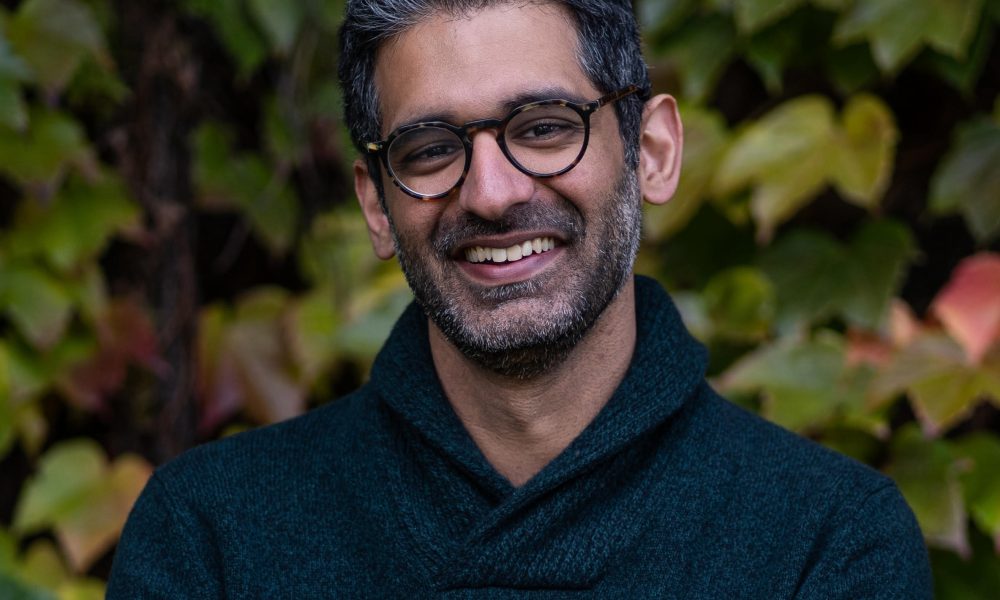
The Past as a Site of Radical Otherness in Nishant Batsha’s “A Bomb Placed Close to the Heart”
“I am a novelist first and a historian second. That’s how the tension you mention resolves itself: I know I’m trying to tell a story.”
-

“Conjuring and Reality”: An Interview with Jeanne Thornton
“Pronouncing a sentence about a person, wrapping them up in your narrative, can be a very gracious action, or a cruel one, or probably most often both.”
-
“Suddenly, the New Story Was There”
“I had seen a lot of bitumen in the devastated landscapes of the bitumen mines. But seeing it here, in such a mundane and tranquil setting, surprised me. That was when I first understood that this material is natural.”
-
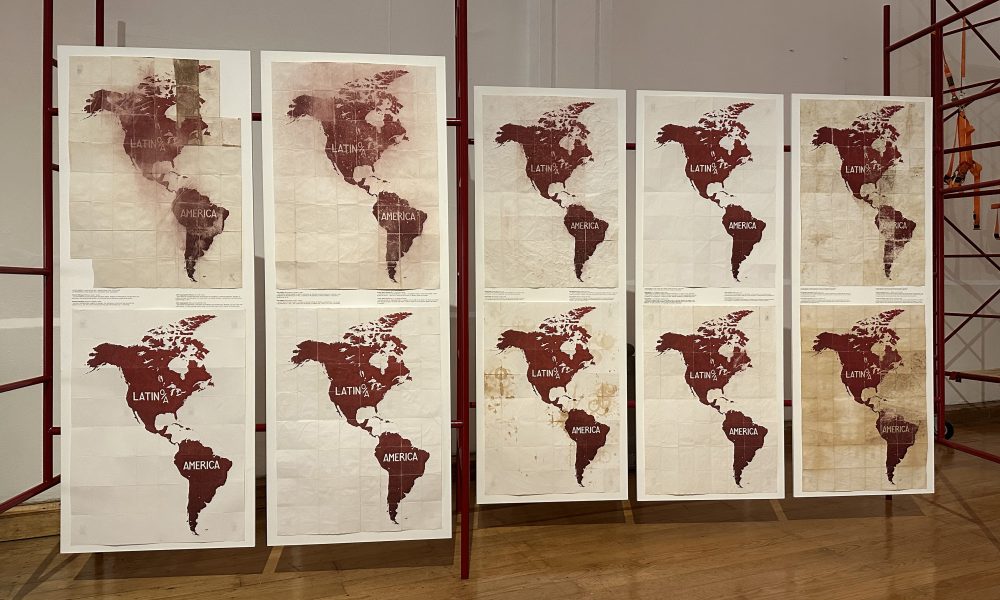
“If You Do Something Social, You Have to Do It Local”: Pedro Lasch on Art, Protest, and Migration
“From the very beginning, I knew I was part of a social movement for undocumented immigrants’ rights.”
-
“A Second Enlightenment”: Greg Grandin on Latin America, the United States, and the Creation of Social-Democratic Modernity
“My books try to explain a tension.”
-
“Weird, but Fantastic”: Devoney Looser on Those Who Love Jane Austen
“The Austen biography space is fairly saturated and covered. But there’s still a lot more we can learn by seeing her in context: that is, by seeing Austen in relation to her society, her family, her friends.”
-
“Independence and Abolition Went Hand in Hand”: Julia Gaffield on Jean-Jacques Dessalines
“Securing the first permanent, universal, and immediate abolition of slavery was Jean-Jacques Dessalines’s legacy.”
-
Are Species Timeless?: Talking with Bathsheba Demuth About the Arctic
“There was an interdependence that was very clear in the animal relationships in the Arctic.”
-
“Flawed from the Outset”: Sonali Thakkar on the UN’s 1950 Attempt to Redefine Race
Liberal antiracism has been undermined precisely because it doesn’t answer the real questions that we care about.
-
“Foolishness on the Page”: Talking with Zahid Rafiq
“What ends up in the writing is what the characters see, and what they see is determined by how they feel.”
-
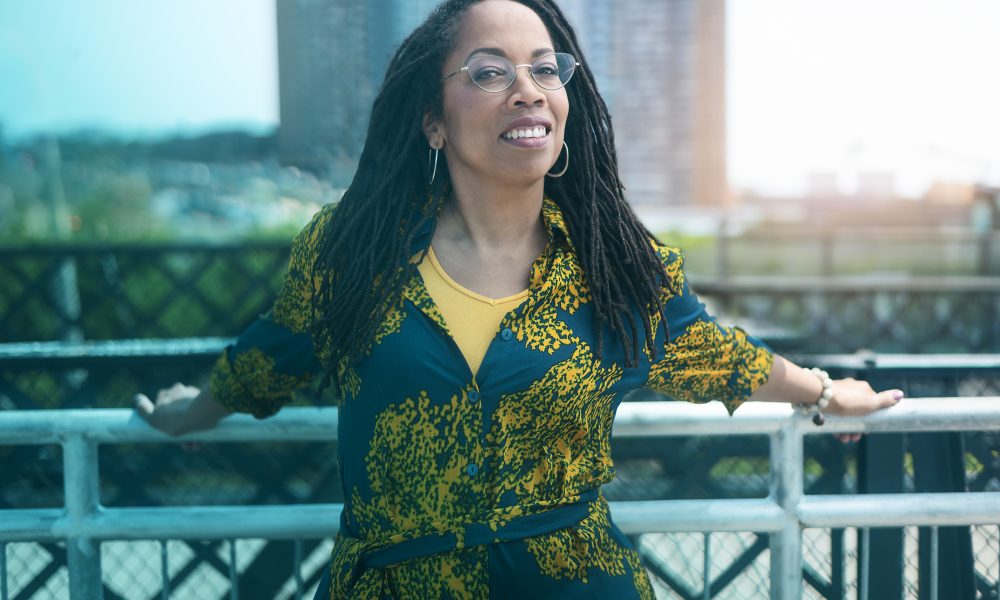
“That’s How You Survive”: Gloria Blizzard on Third Culture Kids and Black “Identity”
“I look at myself as a place of intersections.”
-

Aria Aber’s Defiant Love Letter to Berlin
“The experiences of coming of age and coming into art—of finding your own voice and a vision for your craft—are spiritual and psychological journeys, and, for lack of a better word, universal.”
-
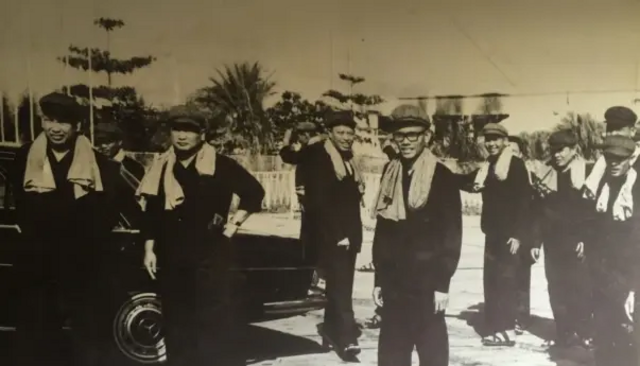
“Endless Bad Infinity”: Noah Kulwin and Brendan James on the Feedback Loop of American Empire
“We are not picking on things that were particularly happy memories for the American war machine.”
-
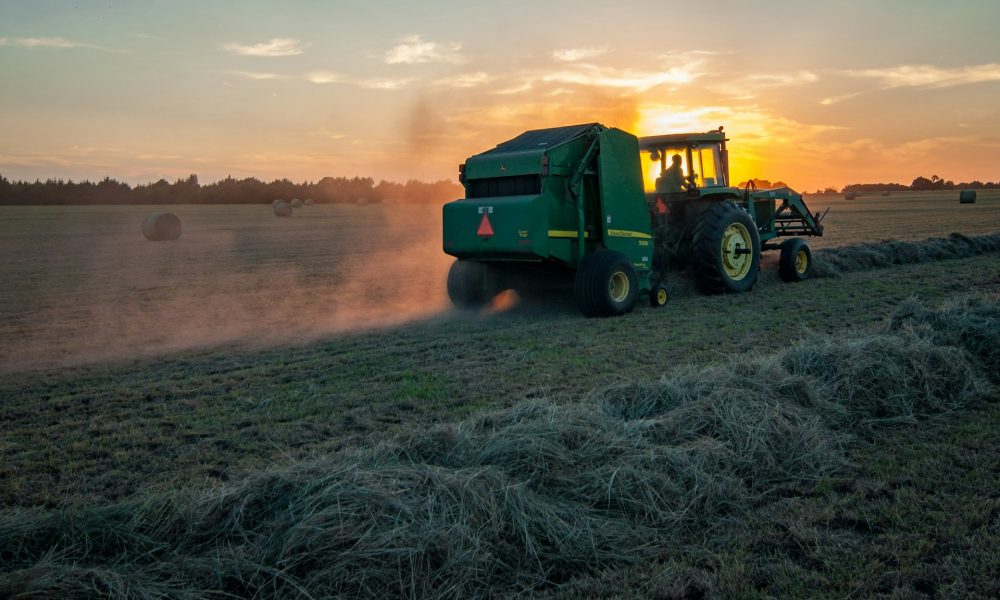
America’s Pernicious Rural Myth: An Interview with Steven Conn
“Narratives about rural crisis seem to trap American discourse in a cycle of crisis and myth.”
-
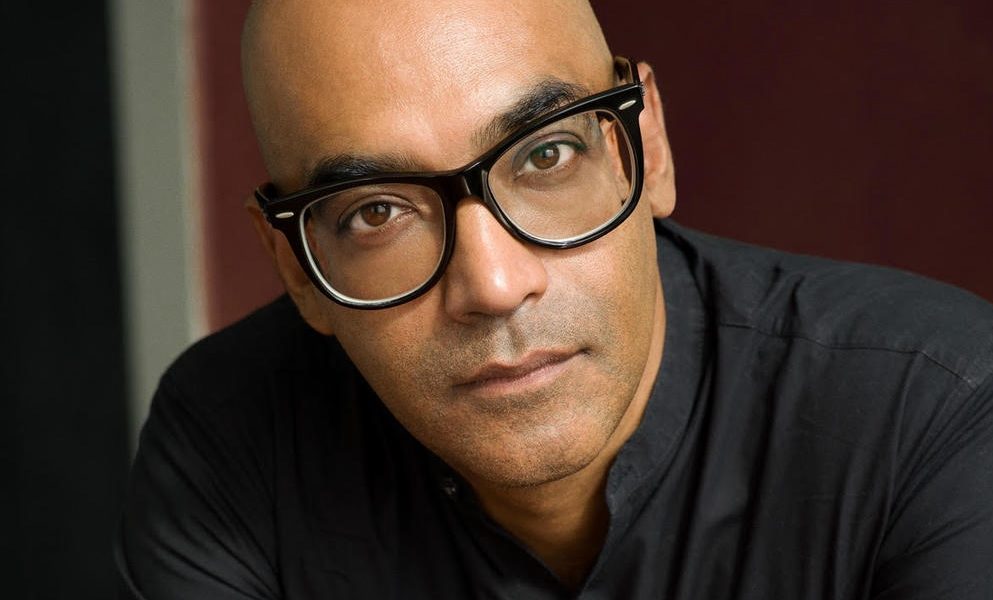
Wings, Angels, Tentacles: Talking with Siddhartha Deb
“What lies outside the weird—the subconscious, our dreams, our fantasies, the monster, the alien—these are possible sources of liberation.”