
John Plotz edits the B-Sides series at Public Books. He is Mandel Professor of the Humanities at Brandeis University and cohost of Recall This Book. His books include The Crowd (University of California Press, 2000), Portable Property (Princeton University Press, 2008), Semi-Detached (Princeton University Press, 2017), and My Reading: Ursula Le Guin’s Earthsea (Oxford University Press, 2023). He is among the cofounders of the Brandeis Educational Justice Initiative.
John Plotz
Advertisement

Writing on Public Books

Arendt Speaks of Oases
Arendt sees the oasis as a way to save our self-understanding from the psychological cry of adjustment as well as the totalitarian demand for conformity.
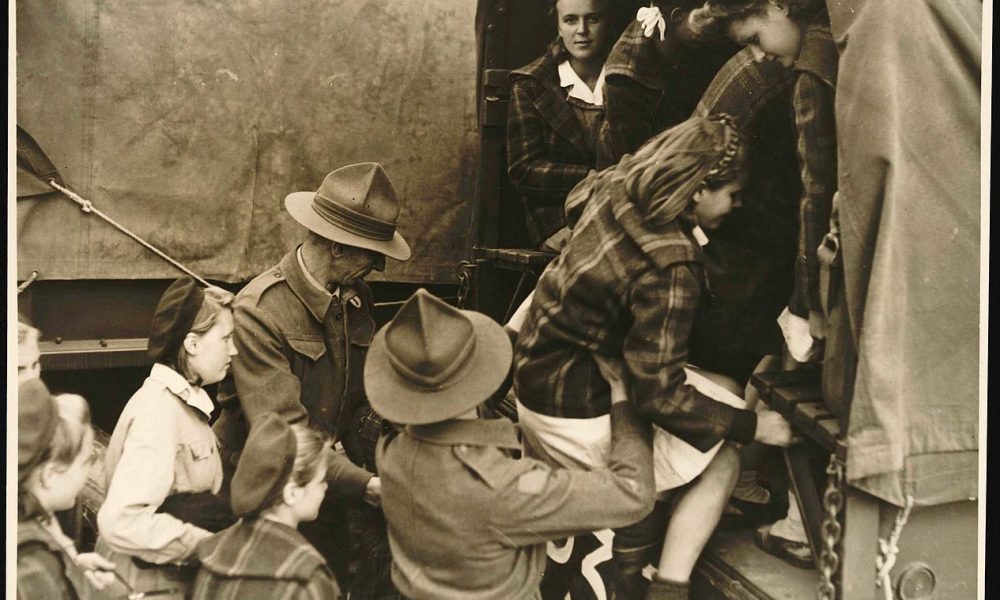
Arendt’s Refugee Politics
One of Arendt’s most surprising insights is that professing “love for the X people” may be a way to foreclose on freedom and on humanity just as effectively as professing “hatred for the Y people.”

“Flawed from the Outset”: Sonali Thakkar on the UN’s 1950 Attempt to Redefine Race
Liberal antiracism has been undermined precisely because it doesn’t answer the real questions that we care about.

“Lying in Politics”: Hannah Arendt’s Antidote to Anticipatory Despair
Four months in, the new Trump administration is already moving from self-deception and deception on to “image making” and “ideologizing”; it is fast approaching complete “defactualization.”

Violent Majorities Part III: Indian and Israeli Ethno-Nationalism
“This is what Hindutvites in India do all the time, and they’ve just repurposed their domestic disinformation campaign to support the Zionist defense of Israel.”
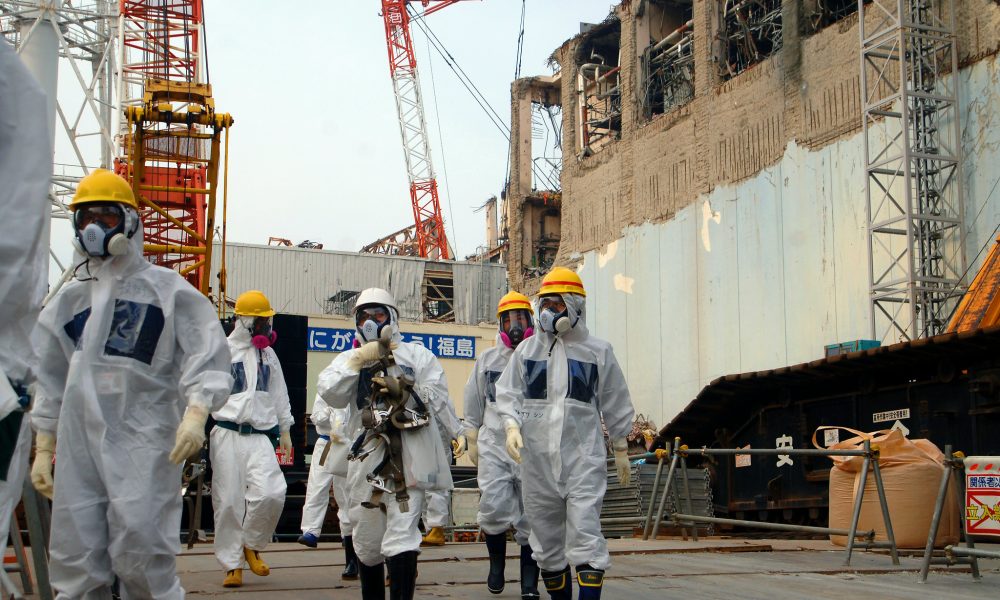
Fallout as a Process: Ryo Morimoto on Fukushima
“That’s what my book is really trying to get at: What are the things that we have missed as a result of confronting our own fear of the invisible?”

Interpret or Judge?: John Guillory on the Future of Literary Criticism
“‘Professing criticism’ is a contradiction and maybe even an impossibility. I’d like to hope that it’s not, that it’s just an innovation, historically.”
Etherized: Anne Enright in Conversation with Paige Reynolds
“There is a kind of moment of doom when you commit to a character. Because none of my characters are lovely.”
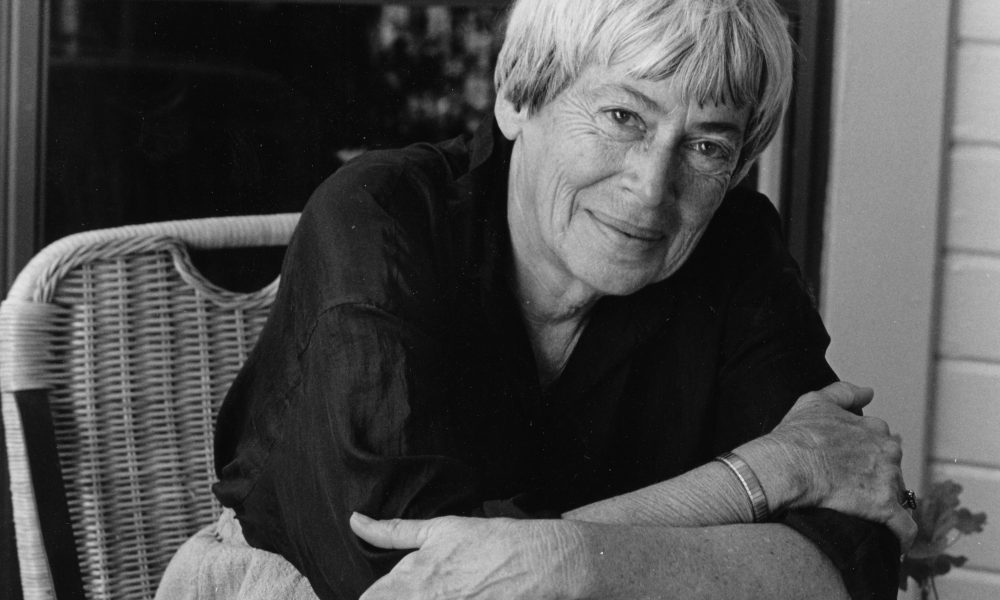
John Plotz on Earthsea, Anarchism, and Ursula K. Le Guin
“Rather than thinking of creative arts and sciences as ‘two cultures,’ we should realize that they’re running on parallel tracks.”

“Finding Other Ways to Flow”: The Once and Future Le Guin
“There’s something very solitary in her writing as well. I almost think of it as solitary solidarity.”

B-Sides: Georges Perec’s “W, or the Memory of Childhood”
One of the strangest, most devastating works of Holocaust literature is about games.

Cooking, Monasteries, Arithmetic: Lorraine Daston on the History of Rules
“There is a deadly earnestness with which children take up whatever rules have been established for a particular context.”

Filming the Deep: Margaret Cohen on Underwater Film Technologies
“The book is about the importance of film for enabling audiences to connect to the most remote environment on the planet.”

“In Any Version of Reality”: Talking SF with Charles Yu
“It’s why science fiction matters so much to me: I’m trying to dislocate our sense of the normal.”

America’s “Land Grab” Universities: Robert Lee on Colonial Extraction by “Treaty-Like Agreements”
“It’s not about the land underneath campuses. It’s land at a distance, that can be sold or managed to raise funds for endowments.”
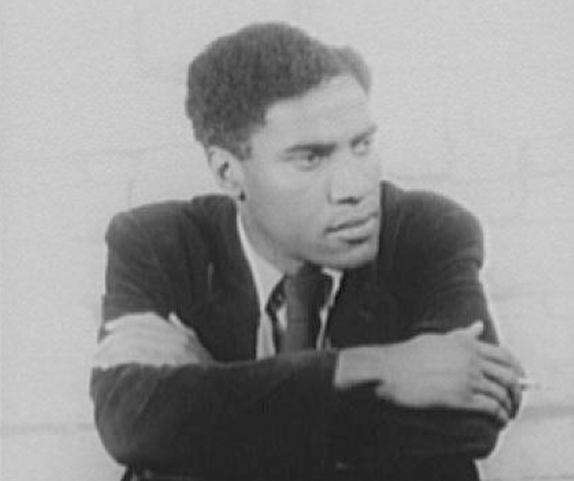
Many into One, One into Many: George Lamming (1927–2022)
Lamming never lets readers forget that within that one man—as within all of us—is a boiling multitude.
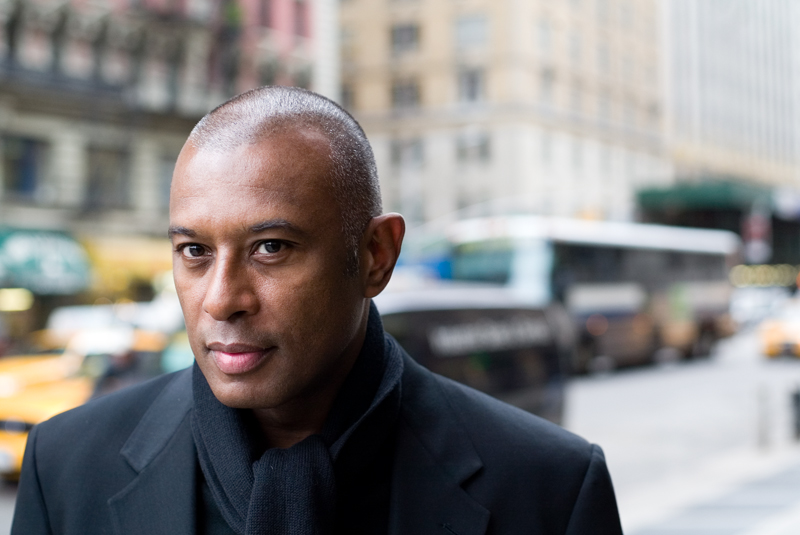
“Having to Explain Who You Are”: Caryl Phillips on Baldwin, Fiction, & Sports
“The first thing he said is, ‘Don’t call me Mr. Baldwin. My name is Jimmy.’ I thought, this is ridiculous, at the very least he’s James.”

The Long Road to a New Ideology: Piketty on Trump, Democrats, and Inequality
“We need to have both the reparation and the universal perspective on economic justice.”[none-for-homepage]

Open Letters, Open Secrets: Laurence Ralph on Police Torture in Chicago
“People rise through the ranks and are allowed to hide torture in plain sight because they become complicit.”[none-for-homepage]

Beverly Cleary Forever (1916–2021)
Working as a children’s librarian in a “one-library town,” Cleary, age 23, found bored boys asking, “Where are the books about kids like us?”

Buster Keaton Falls Up
Comedy demands a fall guy—someone upon whom the absurdity crashes and yet who emerges unscathed. And in comedy, Buster Keaton remains unrivaled.

The Realism of Our Times: Kim Stanley Robinson on How Science Fiction Works
“We’re in a science fiction novel now that we are all co-writing together.”[none-for-homepage]
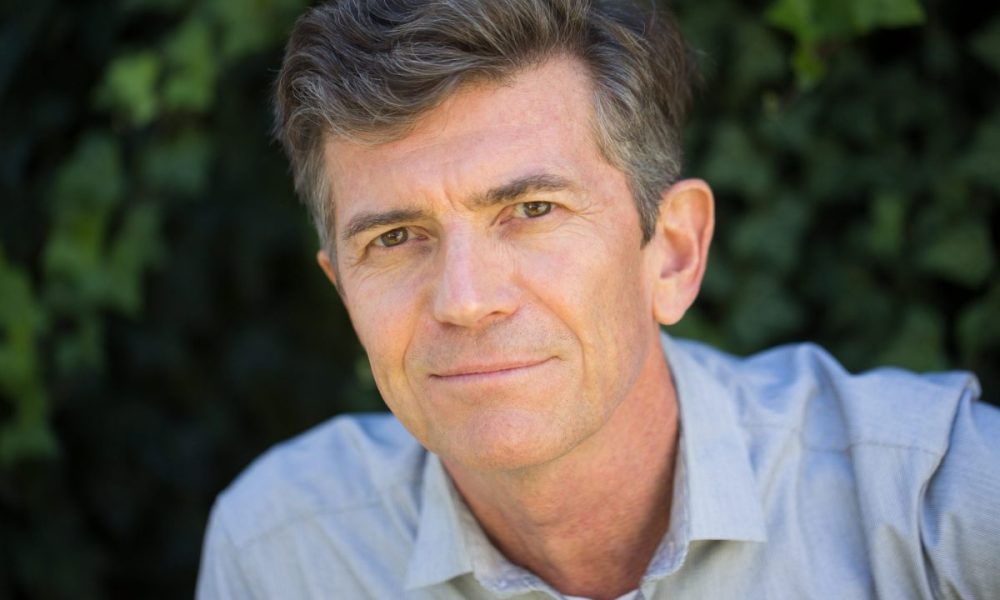
Stephen McCauley on What Makes a Comic Novel
Stephen McCauley is the author of a bevy—a raft, even—of beloved comic novels. Recent ones include My Ex-Life, Alternatives to Sex, and …

“To Reach the Pure Realm of the Imaginary”: A Conversation with Cixin Liu
The renowned Chinese science fiction writer Cixin Liu is best known as the author of the best-selling, Obama-beloved, Hugo-winning, and truly mind-bending trilogy … [none-for-homepage]

In Memoriam: Agnes Heller
Agnes Heller, the Hungarian-born political philosopher, died recently, at the age of 90. The obituaries in outlets like the New York Times, Le Monde, and Deutsche Welle have been respectful, and even …
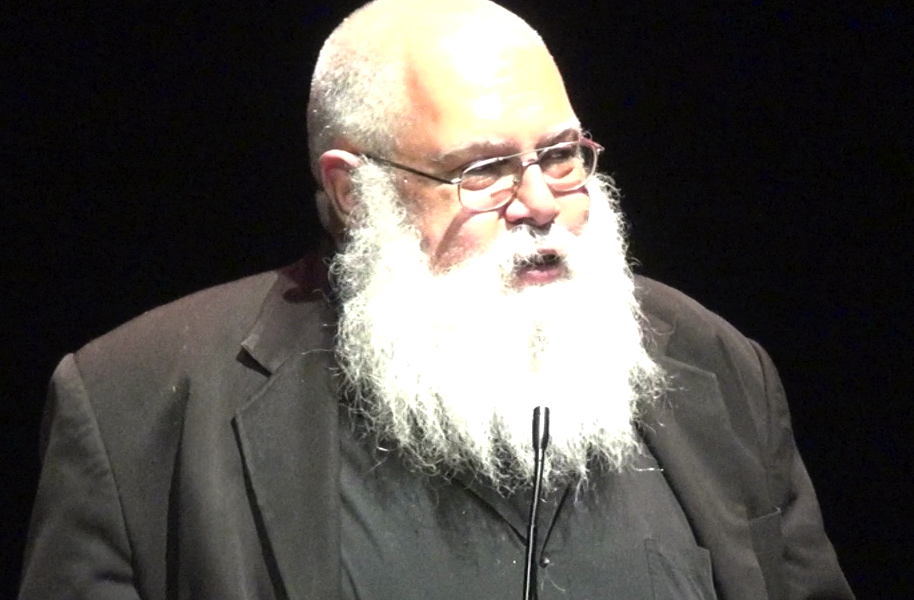
Samuel Delany on Capitalism, Racism, and Science Fiction
Samuel Delany was 20 when his first novel, The Jewels of Aptor, appeared …

Madeline Miller on “Circe,” Mythological Realism, and Literary Correctives
Madeline Miller is a Boston-born writer who currently lives in Philadelphia. Her degrees include a BA and … [none-for-homepage]
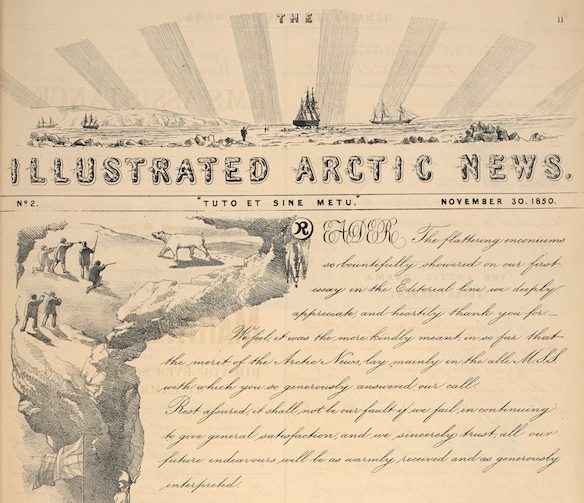
Newspapers and Northern Lights
In 1818 John Ross pointed the ship Isabella toward the Northwest Passage and opened up the Arctic exploration mania; the Shackleton-Rowett expedition of …

B-Sides: Randall Jarrell’s “Pictures from an Institution”
While hard at work on his 1954 Pictures from an Institution, Randall Jarrell …

In Memoriam: Philip Roth
The obituaries are striving to strike the properly respectful note, but with Philip Roth that was always going to be a challenge. The New York Times highlights Roth’s interest in masturbation, and …
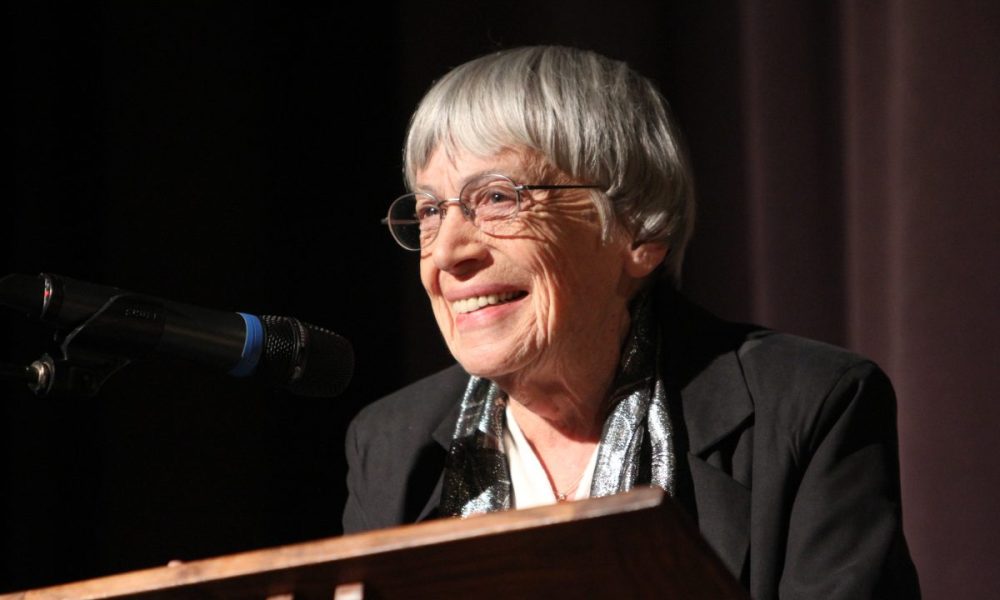
In Memoriam: Ursula K. Le Guin
If Ursula K. Le Guin’s death left only a small hole in the larger world, it poked a large hole in my smaller one. I was glad, of course, that her praises were quickly …
John Williams’s Perfect Anti-Western
Canyonlands National Park, Utah; 103ºF under a cloudless summer sky. I’d call the canyon floor below “bone-white,” if it looked like anything had ever lived there long enough to leave its bones behind. This is the part of the world where Edward Abbey (in his 1968 Desert Solitaire) said he came “to look at and […]
Le Guin’s Anarchist Aesthetics
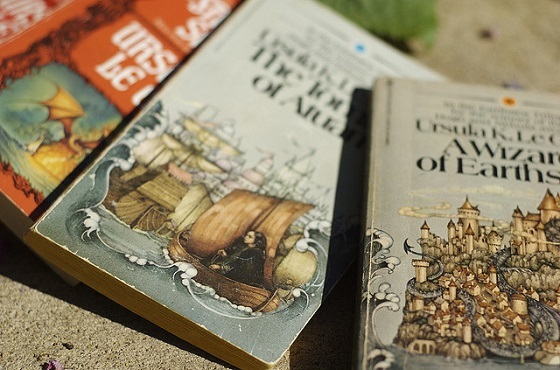
What makes readers fall in love? You might want to start your answer by explaining Ursula Le Guin. I can only speak for one childhood—and one adulthood—spent reading Le Guin, but I’d bet my last nickel there are thousands of us out there. Tolkien knew how to conquer Evil; Beverly Cleary and Louise Fitzhugh put […]
The Story’s Where I Go: An Interview with Ursula K. Le Guin
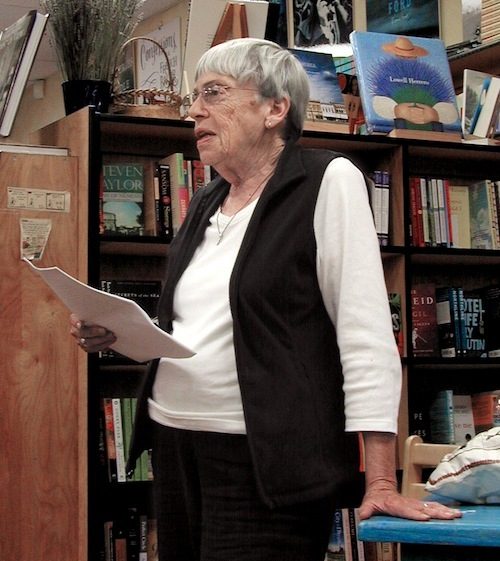
When did Ursula Le Guin last cross your radar screen? It could have been her memorable broadside at the 2014 National Book Awards ceremony, against Amazon and “commodity profiteers” who “sell us like deodorant.” My favorite line: “We live in capitalism. Its power seems inescapable. So did the divine right of kings.”1 If you have […]

Jean Stafford, Antisocialite
Alice Munro’s Nobel Prize last fall was hailed as a victory for the novel’s neglected stepsister, the short story. What struck me most about Munro’s win was how well she has fared by following a heavily beaten path. She faithfully adheres to the rules Edgar Allen Poe set out for the genre in the 1840s: […]

Feeling like a Stoic: Doris Lessing’s Experimental Fiction
I came late to Doris Lessing. Although it was back in 1962 that The Golden Notebook established her as the Cassandra of a not-quite-revolutionary generation, I clued …