Category
Interviews
-
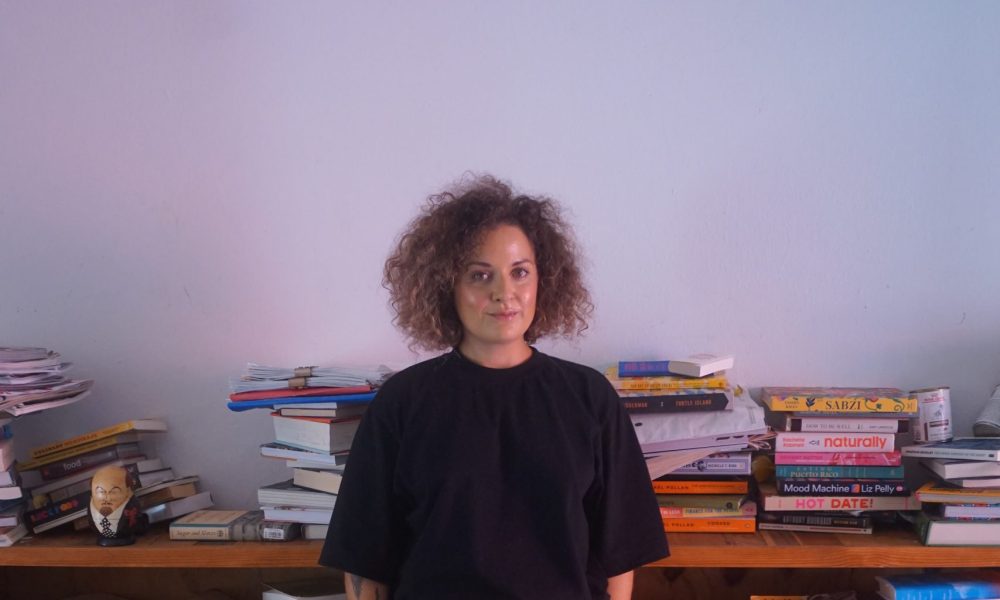
“The Interdisciplinary Nature of Food Is Now Un-ignorable”: Alicia Kennedy on Food Writing, Food Security, and Food Justice
“Food writing can no longer just be ‘go to this restaurant’ or ‘explain this dish or cocktail.’”

-
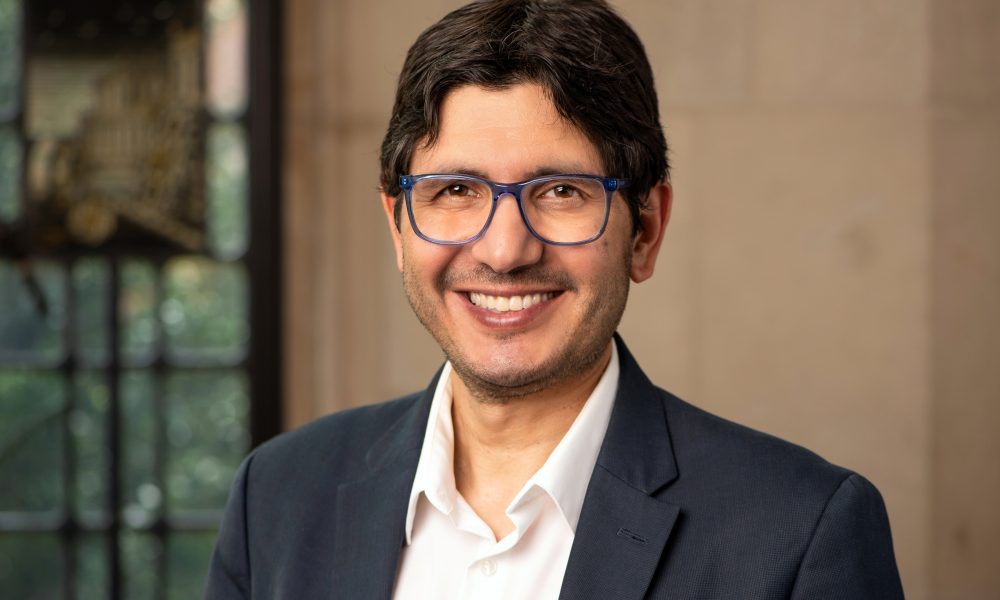
“Courage or Foolhardiness”: Talking Aimé Césaire with Alex Gil
-

We Are the Authors of the Story of Citizenship: Daisy Hernández on America’s Myth
-
“Disaster Has Happened and Is Happening”: Tara Menon on What the Novel Reveals
-
“Recover, Replant, Return”: Talking Nuclear History, Writing, and Food with Kate Brown


-
The Porous Prison
“People who may have conceived of a child on a conjugal visit, and changed that child’s diapers and taught them how to fish inside prison, are now forbidden to give them a hug.”
-
“How a Fire Builds”: Talking with Nina St. Pierre about Mental Illness, Art, and Survival
“In grad school, I’d had this wacky drunken idea that the book had to be meta to be proper.”
-

Frivolity Is Not Unserious
“When we try to write about trauma, no matter what the trauma we wish to explore, it’s the poet’s job to do their homework.”
-
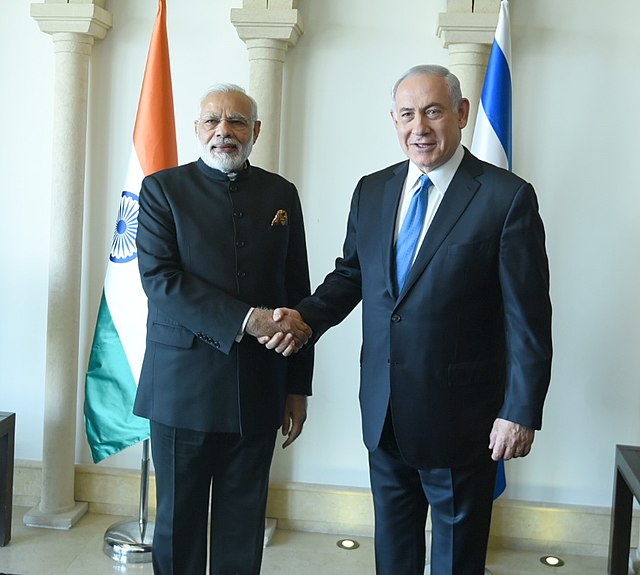
Violent Majorities Part III: Indian and Israeli Ethno-Nationalism
“This is what Hindutvites in India do all the time, and they’ve just repurposed their domestic disinformation campaign to support the Zionist defense of Israel.”
-

Violent Majorities Part II: Indian and Israeli Ethno-Nationalism
“There are still atrocities being committed in the name of Jewish supremacism and in the name of territorial maximalism.”
-
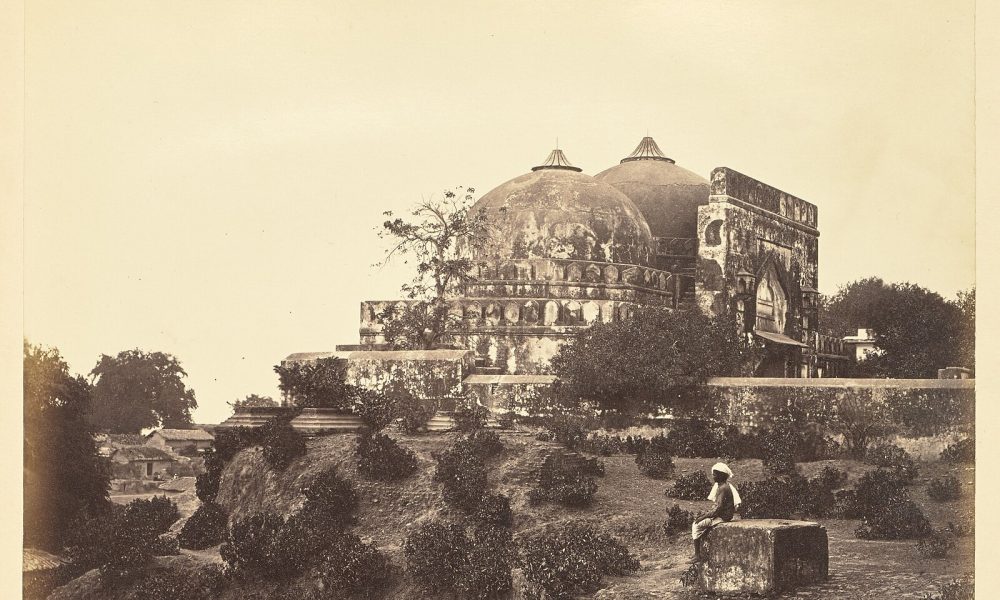
Violent Majorities Part I: Indian and Israeli Ethno-Nationalism
“We have to have some way to say you could be a Hindu without being Hindutva.”
-

Public Thinker: Jonathan Kramnick on the Craft of Criticism amid Institutional Decline
“Arguments stand or fall to the degree to which the practice is done well.”
-
Public Thinker: Infrastructure Tells Us That We Need One Another
“Seeing infrastructural systems for what they are requires us to understand them as the product of massive collective investment and to reflect on the value of that.”
-
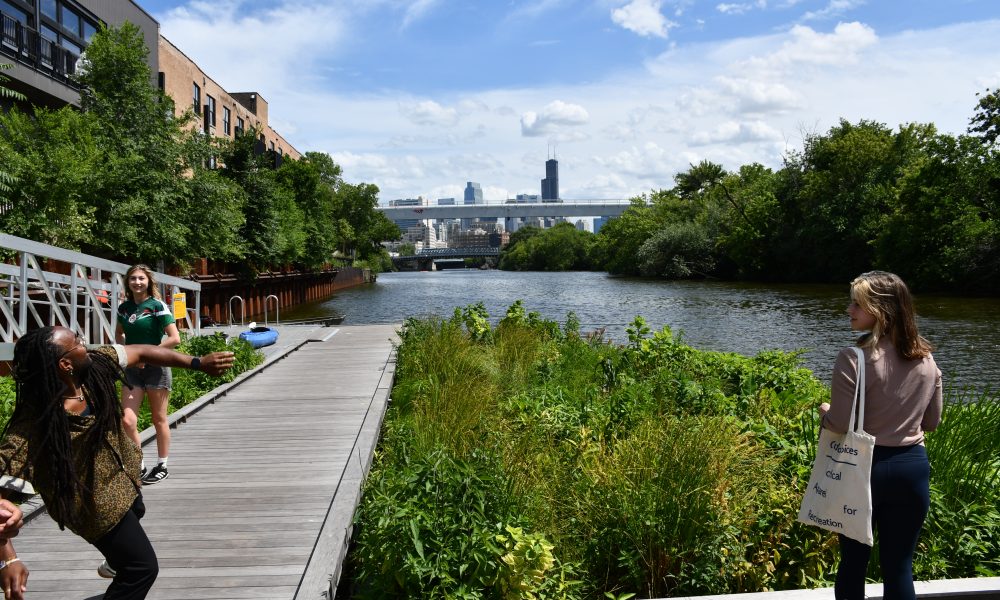
Public Thinker: Jayson M. Porter on Healing in Public
“I feel blessed to live so close to a country that’s had a revolution inform how people struggle for land around the world.”
-
“The Unique Magic That Happens When Two People Come Together”: Allison Pugh on Building a Society of Connection
“What we are doing by mechanizing encounters is bleeding out the unique and rather mysterious social outcome.”
-
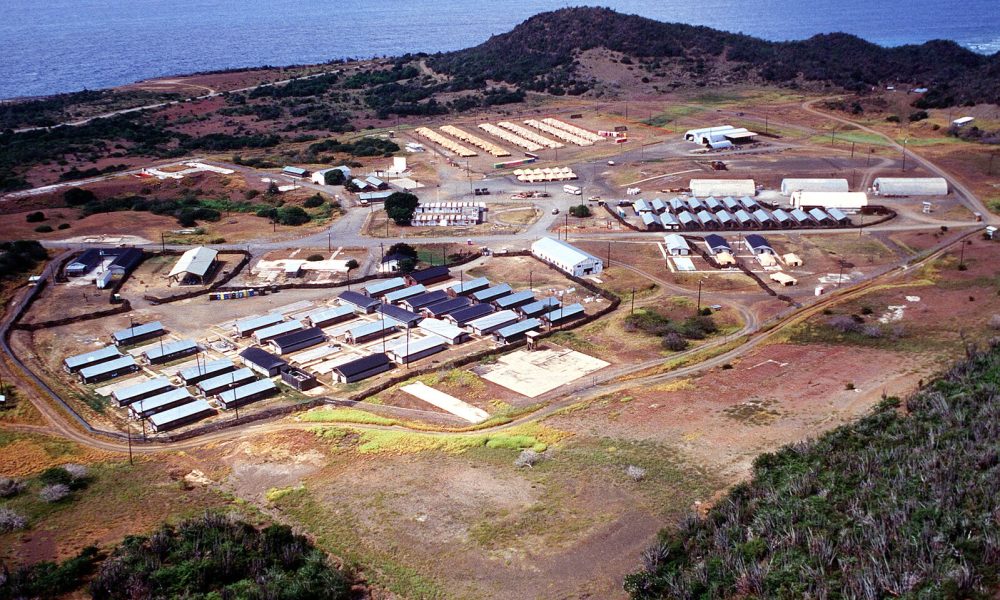
“This Is Not for the Policy People”: Ninaj Raoul on Making Change for Migrant Lives
“I’d never imagine that in 2024 we would have tents of refugees in Brooklyn. … We’ve totally gone backward.”
-
White Mediocrity Empowers White Villainy: A Conversation with Koritha Mitchell
“Not only does whiteness empower folk to destroy entire communities; it empowers them to say to your face that the destruction doesn’t have reverberating effects in the current moment.”
-
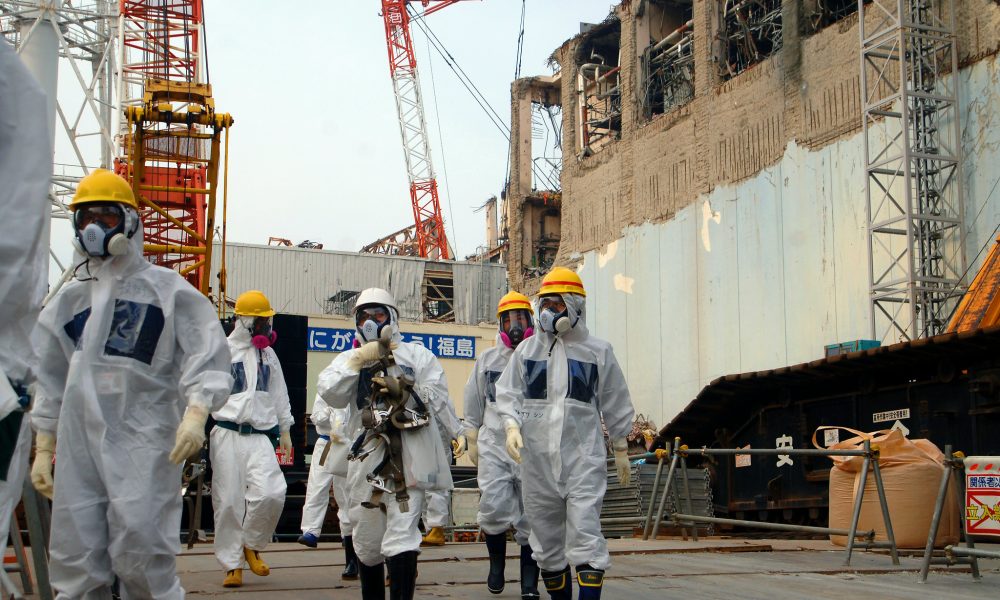
Fallout as a Process: Ryo Morimoto on Fukushima
“That’s what my book is really trying to get at: What are the things that we have missed as a result of confronting our own fear of the invisible?”
-

Interpret or Judge?: John Guillory on the Future of Literary Criticism
“‘Professing criticism’ is a contradiction and maybe even an impossibility. I’d like to hope that it’s not, that it’s just an innovation, historically.”
-
“The Joke’s Ultimately on Me”: “Diabetic of Enlightenment” on Academic Twitter
When it comes to academia, we live in a moment of heightened contradictions. And yet, graduate students and junior professors are frequently told we mustn’t rock the boat even as it sinks farther and farther into the neoliberal abyss. The weight of this disconnect was bound to break eventually. Twitter, now regrettably known as X,…
-
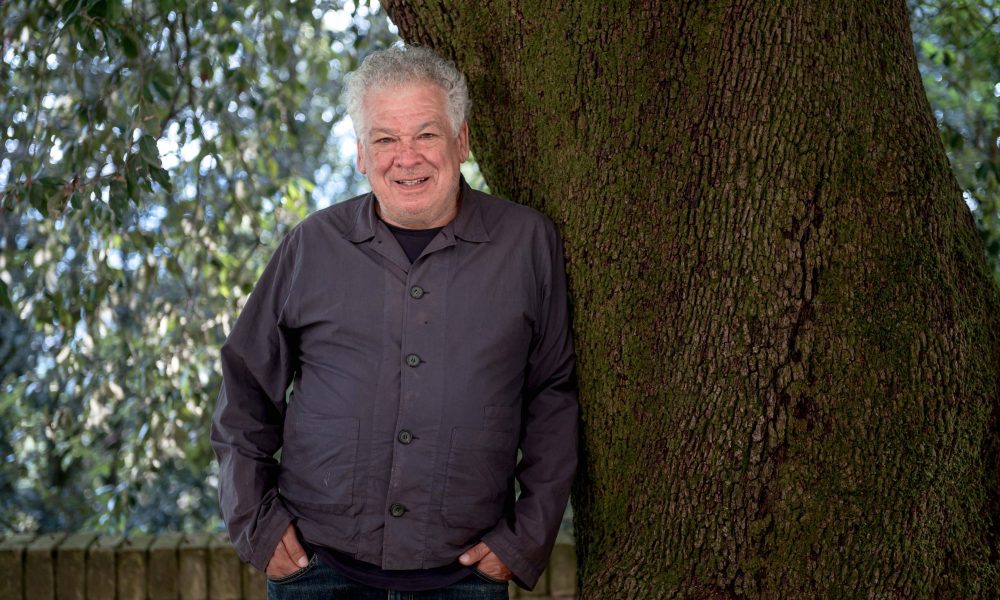
“I’ve Embraced the Outsider Status”: A Conversation with Francisco Goldman
“That reality, such suffering, and violence, so much evil, was just shattering. Of course I witnessed so much courage too, and goodness, much of it doomed.”
-
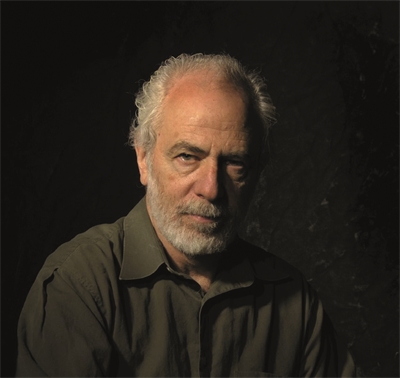
“A Theory of America”: Mythmaking with Richard Slotkin
“I was always working on a theory of America.”
-
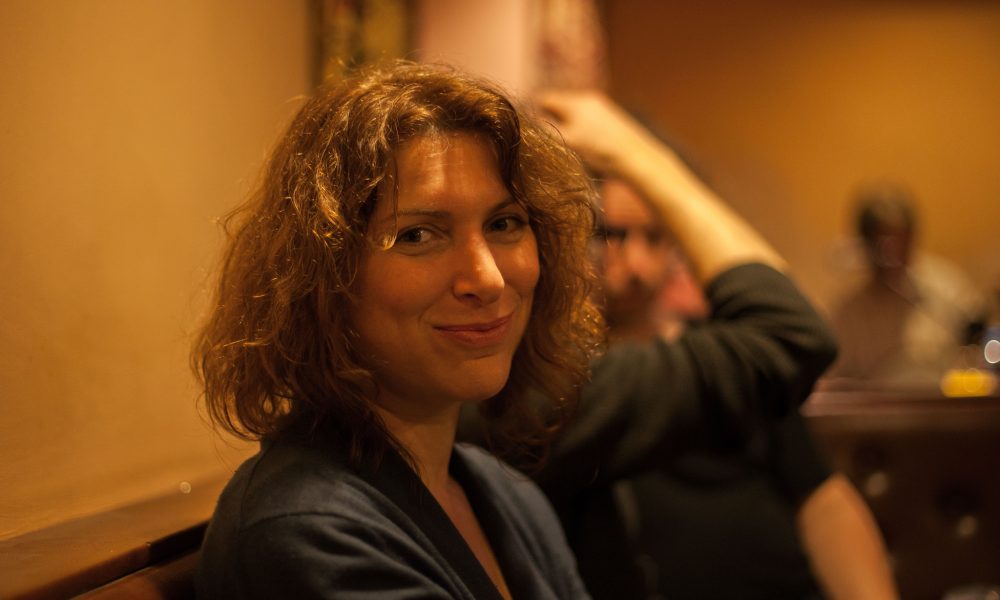
“Costs on All Sides”: Annie Dorsen on “Prometheus Firebringer”
“Technology creates the potential for conflict from the very start.”
-
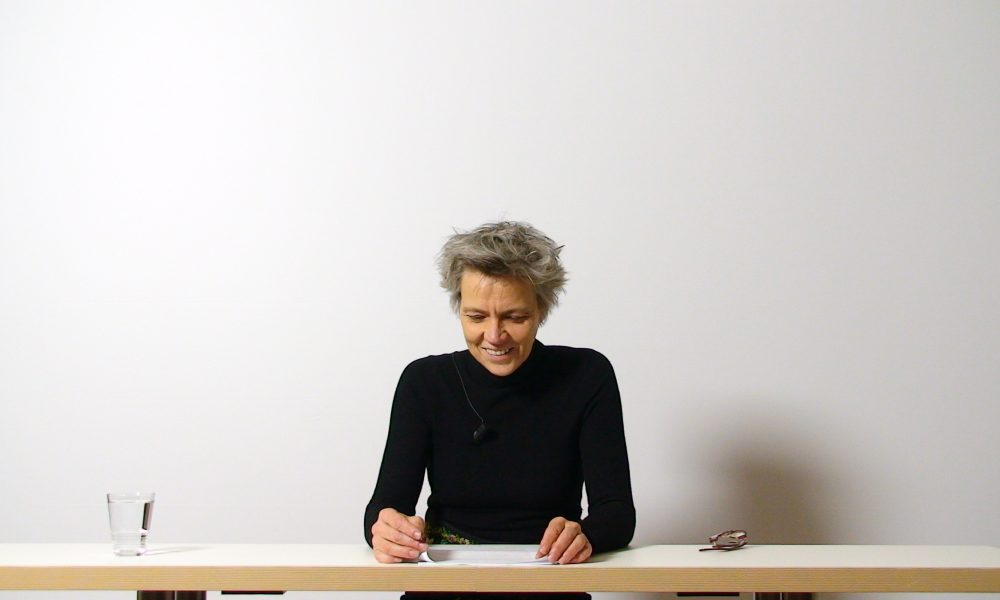
“The Past Survives in the Telling”: Eight Questions for Esther Kinsky
“I never look for inspiration when I embark on a project. My writing evolves from something I’ve seen, heard outside—never from reading.”
-

When NYC Invented Modern Policing: Emily Brooks on WWII–Era Surveillance and Discrimination
“I often think how much better off we would be if there were more free recreational activities for youth that were not nested under the carceral sphere.”