Category
Interviews
-
“The Interdisciplinary Nature of Food Is Now Un-ignorable”: Alicia Kennedy on Food Writing, Food Security, and Food Justice
“Food writing can no longer just be ‘go to this restaurant’ or ‘explain this dish or cocktail.’”
-
“Courage or Foolhardiness”: Talking Aimé Césaire with Alex Gil
-

We Are the Authors of the Story of Citizenship: Daisy Hernández on America’s Myth
-
“Disaster Has Happened and Is Happening”: Tara Menon on What the Novel Reveals
-
“Recover, Replant, Return”: Talking Nuclear History, Writing, and Food with Kate Brown
-
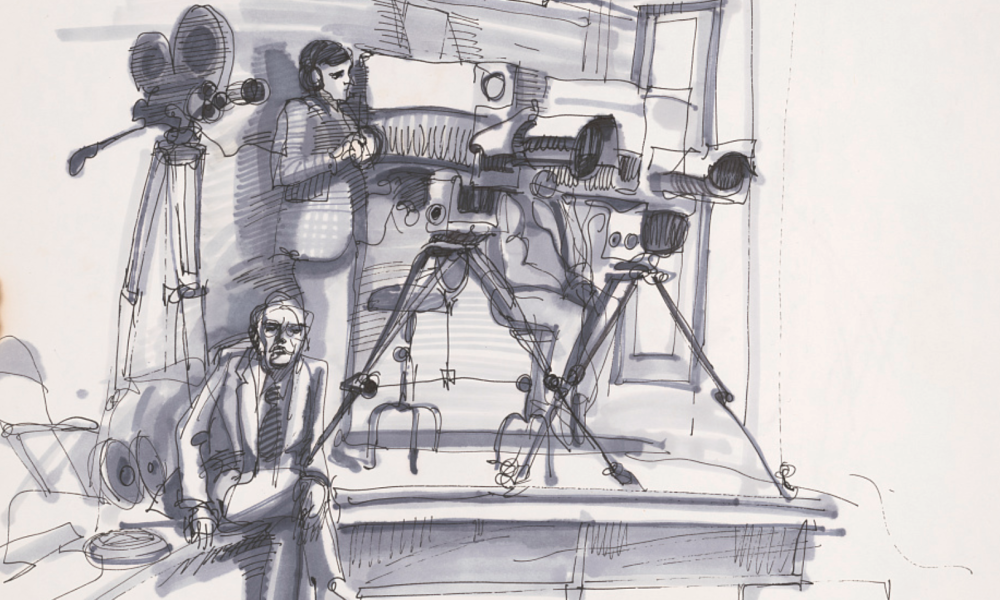
The Democratic Surround: A Conversation Between Fred Turner and Clay Shirky
Last December, Public Culture senior editor Fred Turner sat down with Clay Shirky, the author of Cognitive Surplus: Creativity and Generosity in a Connected Age and Here Comes Everybody: The Power of Organizing Without Organizations, to talk about Turner’s new book, The Democratic Surround: Multimedia and American Liberalism from World War II to the Psychedelic Sixties. A prequel to the influential From Counterculture to Cyberculture which…
-
The Restless Storyteller: An Interview With Laura Bolaños Cadena
Historia Semanal de Amor y Pasión (Weekly Story of Love and Passion) is one of those pocket-size Mexican comic books you may have read or seen—they’re called historietas. The covers are illustrated in eye-popping colors, and the drama inside is high and often fast. One of the most twisty and gripping issues I’ve read contained…
-
Hari Kunzru on Networks, the Novel, and the Politics of the Author
Hari Kunzru is a British-born writer who lives and works in New York. He is the author of four novels as well as numerous articles in publications including Wired, the New Yorker, the Washington Post, the Times of India, and the New Statesman. His first novel, The Impressionist (2002), which won the Betty Trask Prize,…
-
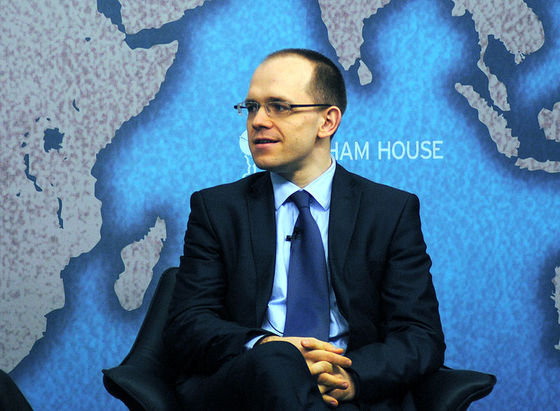
The Folly of Technological Solutionism: An Interview with Evgeny Morozov
Evgeny Morozov, a former denizen of the technology world, gained notoriety as a skeptic of that world with his 2010 book The Net Delusion, in which he argued that technology enthusiasts or “cyber …
-
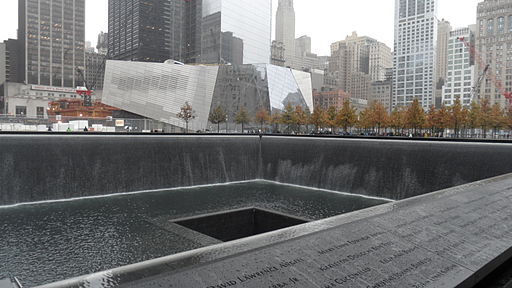
Reflecting Absence: An Interview with Michael Arad
Michael Arad’s winning design for the World Trade Center Memorial has created a landmark for New York City and for design. “Reflecting Absence,” the theme and title of Arad’s winning entry, raises questions about loss and memory, but also about bringing life to city streets. In conversation with Harel Shapira, Arad discusses the democratic uses…
-
On the Itinerant as Philosopher: An Interview with Aman Sethi
Aman Sethi’s A Free Man, a portrait of a day laborer in modern Delhi, is the latest contribution to an emerging subgenre of creative nonfictional books about Indian cities—itself a subset of a growing fascination with the poetics and practices of the metropolises of the Global South—that includes Suketu Mehta’s Maximum City (2004), Katherine Boo’s…
-
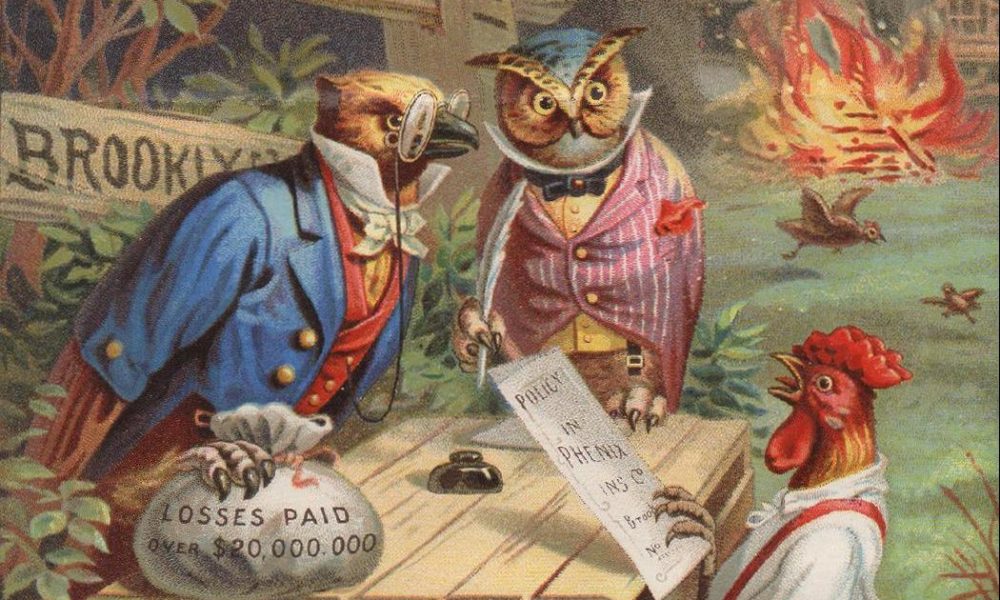
The Confidence Economy: An Interview with T. J. Jackson Lears
Questions about trust, faith, and chance in American cultural history are at the core of your work as I see it. Your interest in confidence and con men is especially striking …
-
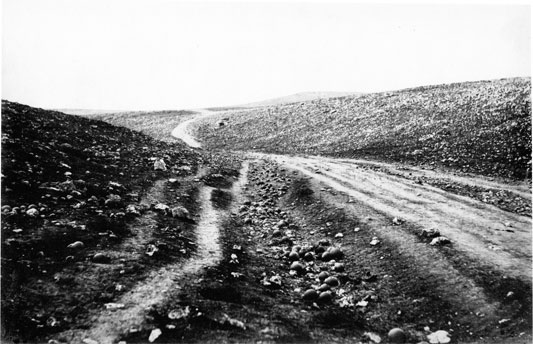
Errol Morris, Forensic Epistemologist
Earlier this year I was contacted by the editors at Zum, a new Brazilian photography quarterly, who explained how they’d lately taken …
-
Recycling Literary Culture: A Conversation with Lúcia Rosa
Over the past decade, a new style of publishing has emerged as a response to the economic and environmental conditions facing twenty-first-century Latin America. Cardboard books, colorfully hand-painted and assembled by workshop collectives, are now bought and sold in nearly every major Latin American city. The “cartonera” publishing collectives take their name from cartoneros: urbanites…
-
A Conversation with Ellis Avery
Set in 1927 Paris, The Last Nude is inspired by the Russo-Polish Art Deco painter Tamara de Lempicka and the young woman who modeled for her most famous painting, Beautiful Rafaela. De Lempicka met Rafaela on a walk in the Bois de Boulogne and drove her back to the studio: the two women became lovers,…