Category
Interviews
-
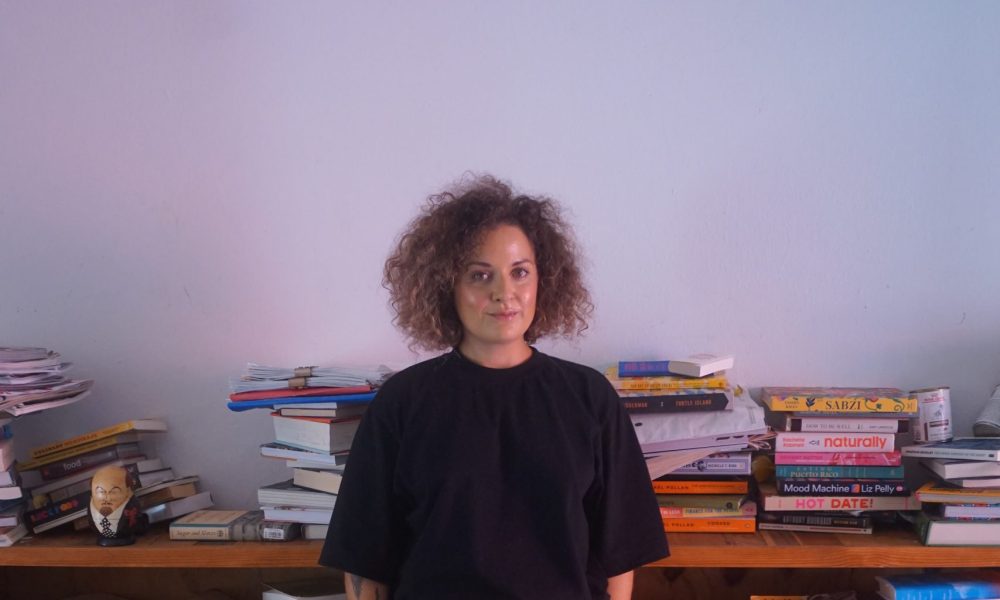
“The Interdisciplinary Nature of Food Is Now Un-ignorable”: Alicia Kennedy on Food Writing, Food Security, and Food Justice
“Food writing can no longer just be ‘go to this restaurant’ or ‘explain this dish or cocktail.’”
-
“Courage or Foolhardiness”: Talking Aimé Césaire with Alex Gil
-

We Are the Authors of the Story of Citizenship: Daisy Hernández on America’s Myth
-
“Disaster Has Happened and Is Happening”: Tara Menon on What the Novel Reveals
-
“Recover, Replant, Return”: Talking Nuclear History, Writing, and Food with Kate Brown

-
“We Are Not Meant to Be Girls Alone in This World”: A Conversation with Gina María Balibrera
“It’s such a heavy and troubling history, but not entirely dismal. Humans laugh all the time.”
-
“We’re Losing a Sense That We Made Them”: Webb Keane on AI and Human Morality
“We can’t fully grasp what’s new about it unless we also understand what we’ve seen before.”
-
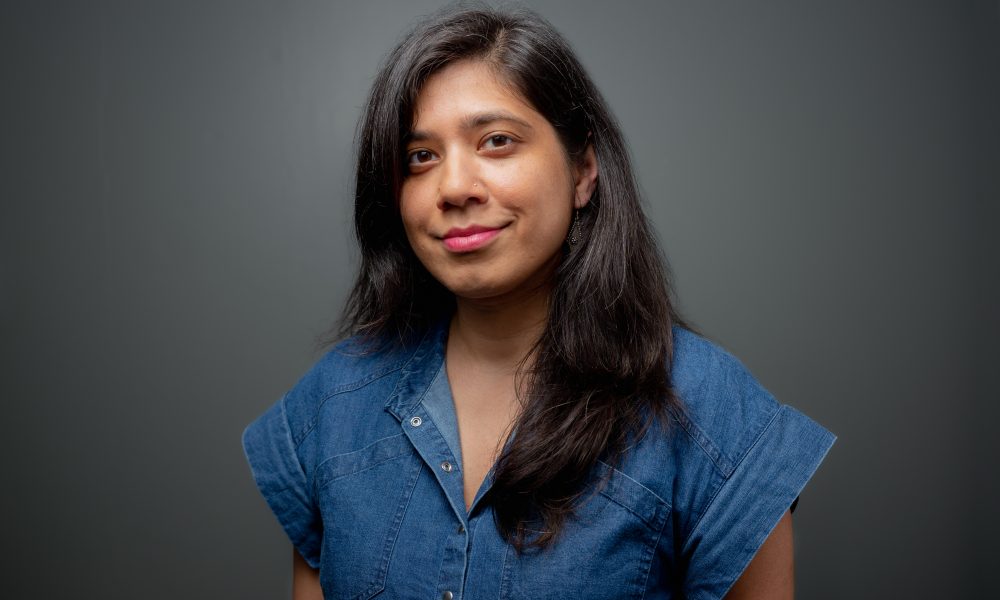
“The Basic Liberal Narrative Is Gone”: Immigrant Rights and Abolition with Silky Shah
“A singular focus on conditions, rather than the violence of immigration detention itself, just lent itself to expansion.”
-
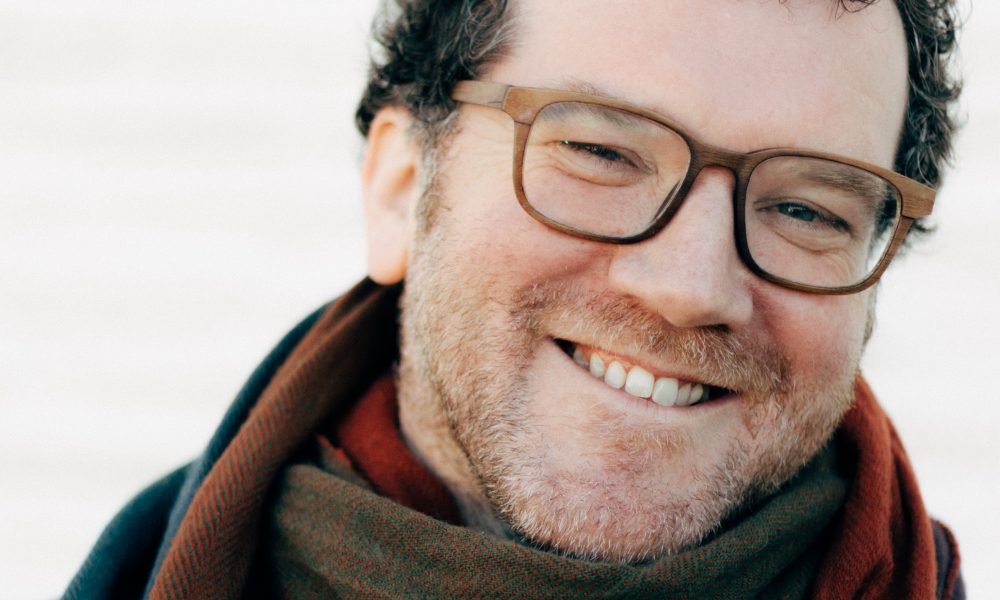
Beyond the “Burden of Belief”: Pádraig Ó Tuama on Religious Trauma, Eros, and Poetry as Prayer
“I began to look for other verbs when it comes to my doubt and my rage and my yearning and my sadness.”
-
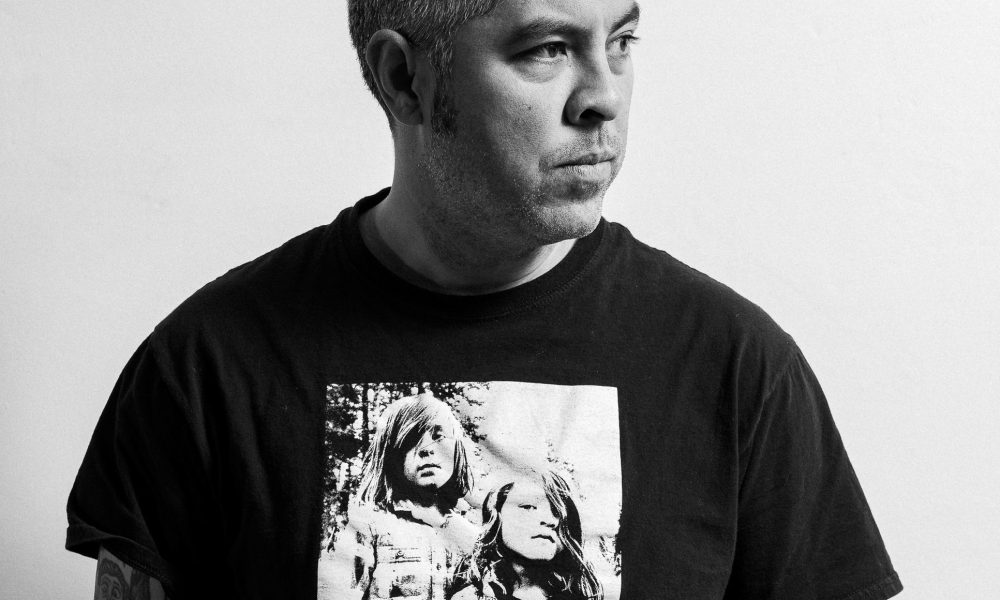
Humor and Fear, Kings and Soldiers: Jason De León on the Untold Story of Human Smugglers
What happens if we start with the assumption that smugglers are, in fact, humans?
-
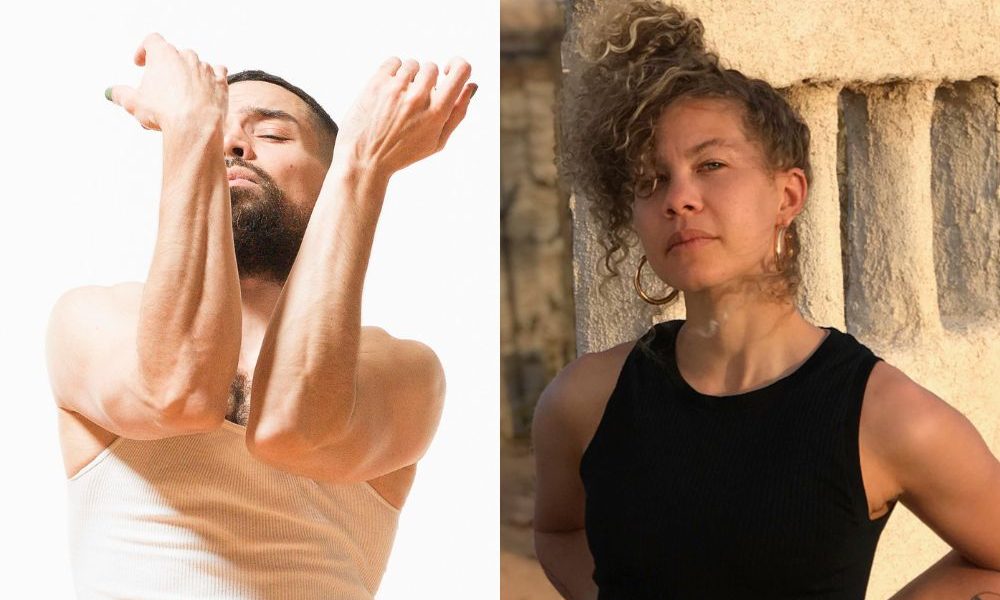
Minimalism Forces You to Imagine: Speaking with Benji Hart and Anna Martine Whitehead
Benji Hart and Anna Martine Whitehead discuss their new performance pieces, and how a commitment to the principles of abolition strengthens their creative processes.
-
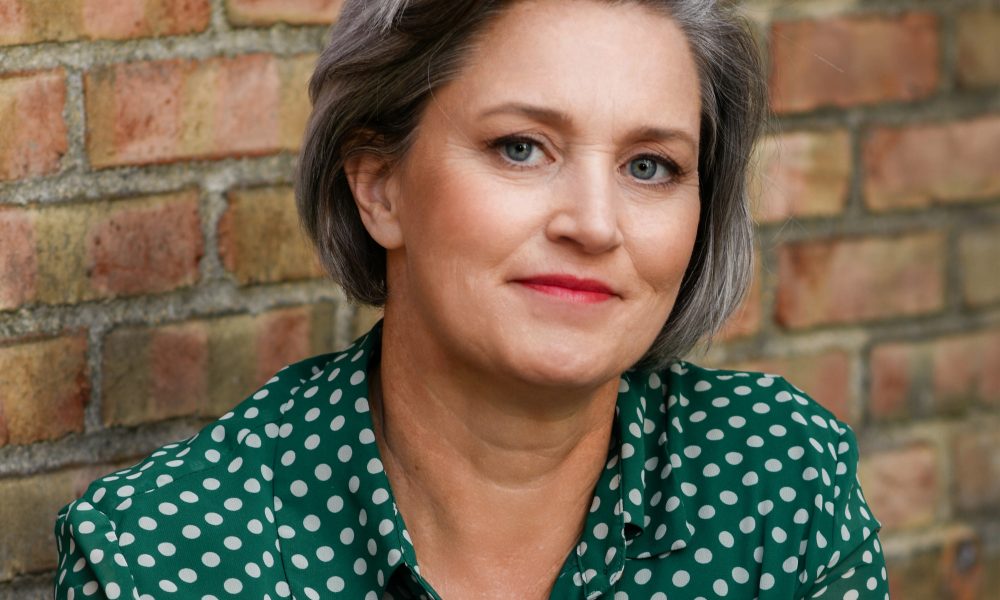
Can You Predict What You’ll Need? Talking Time, Space, and Disability with Margaret Price
“The experience of disability has this curious hard-to-see quality, even while also being weirdly out in the open, garishly apparent.”
-
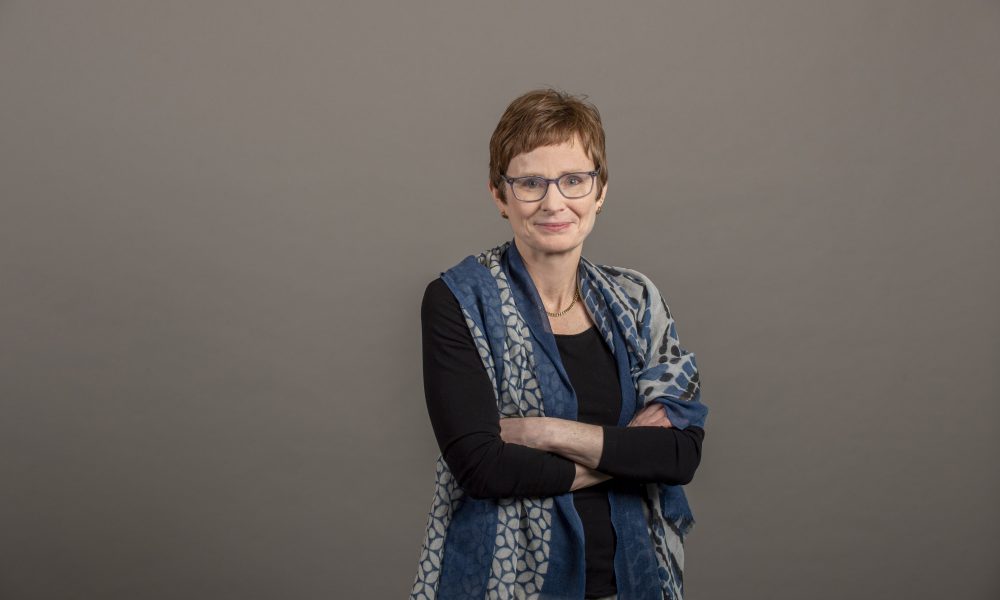
Rethinking Reconstruction: Kate Masur on “Freedom Was in Sight”
“Freedom Was in Sight” conveys that even as Reconstruction ended and the Jim Crow order took shape in the South, not everything was lost.
-
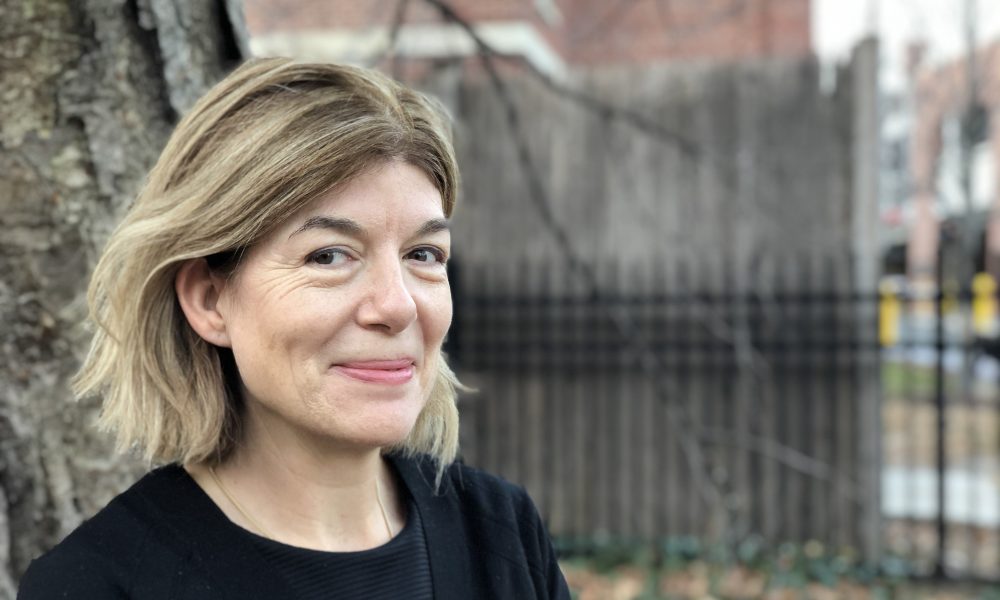
“Who Made These Rules?”: Claire Messud on What’s Distracting from Good Writing
“I believe in the amazing complexities of what we can express and convey in language if people will only make the effort and take the time.”
-

Slavery Is Not a Metaphor: Rethinking Mass Incarceration with John Bardes
In the aftermath of the American Revolution, slaveholders in the South were thinking about what a prison should look like for a society that was economically and socially dependent on slavery.
-
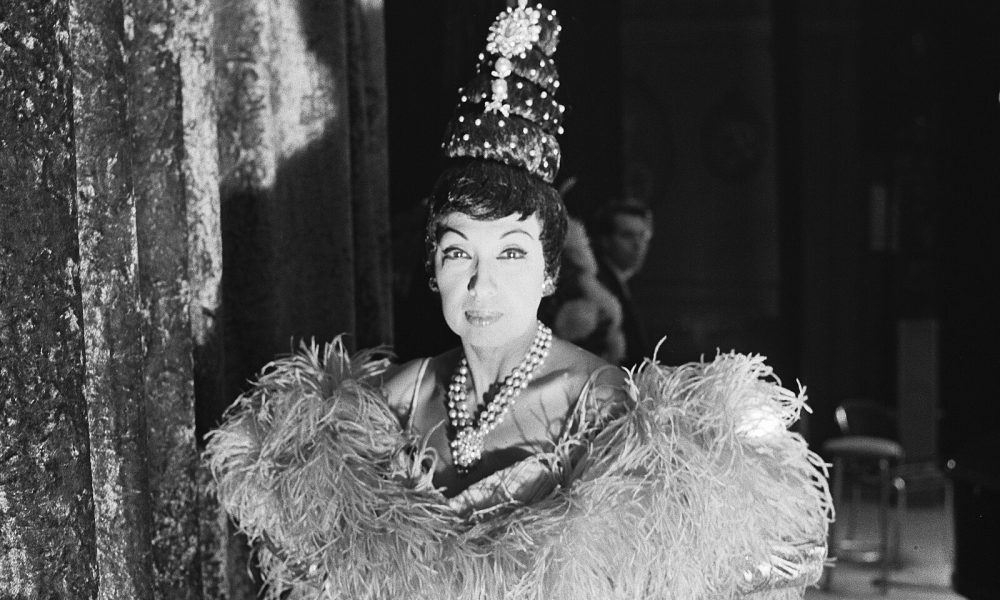
“The Diva Always Has a Transcendent Virtuosity”: Deborah Paredez on Divas, Tías, and Celebrity
“The diva is so often seen as remote and unattainable and onstage; I wanted to see how divas allow for a connection.”
-

Symbolic Sovereignty: Alvita Akiboh on the Materiality of Empire
“The US flag is always flying; if you buy something, the money is US money; and the stamps are US stamps.”
-
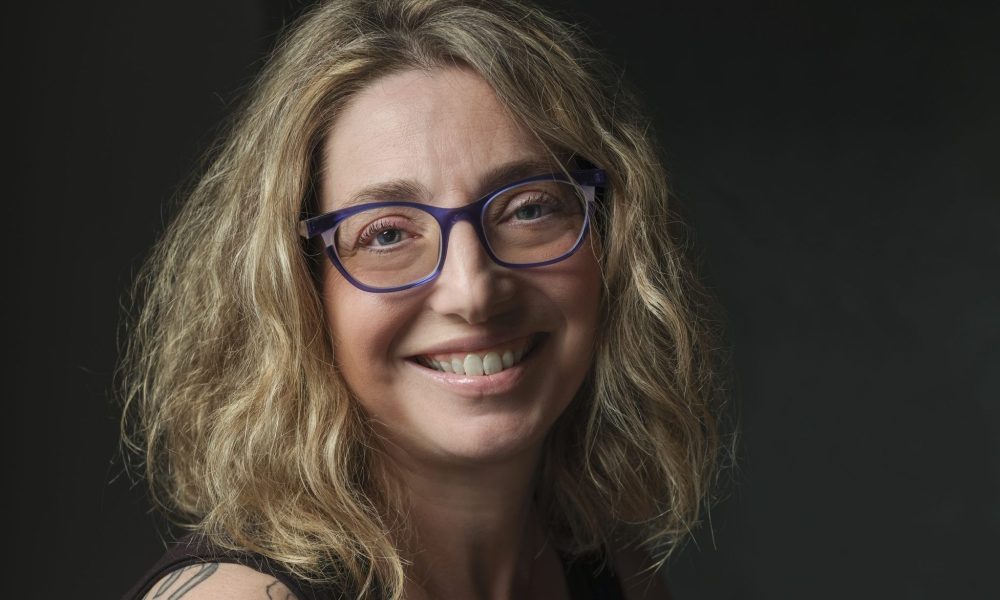
Abolish Sheriffs: Talking with Jessica Pishko
“My perspective is that we should abolish the office of the sheriff.”
-
-
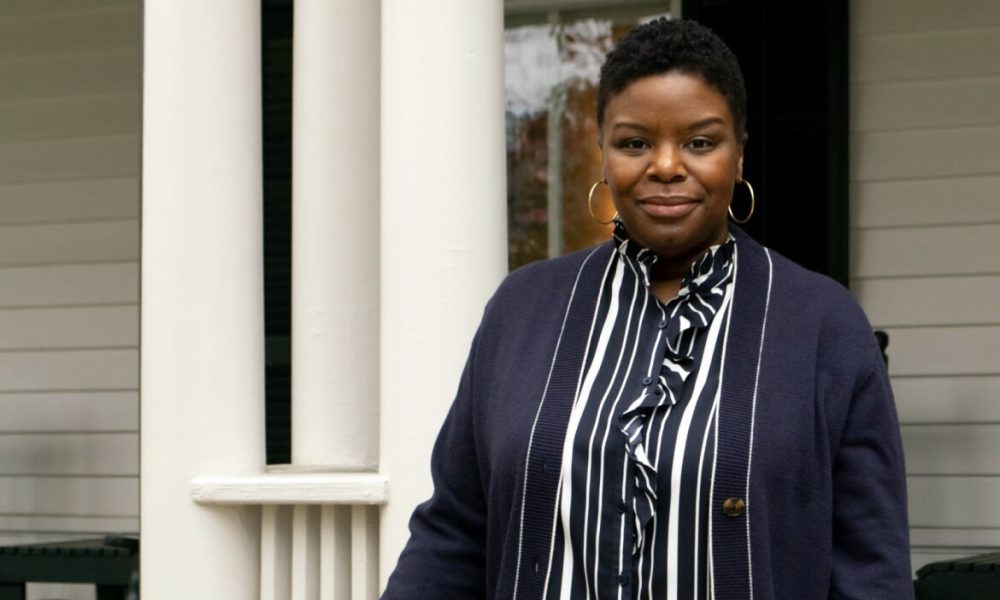
“The World Didn’t Give It, but the World Can’t Take It Away”: Talking Black Joy and Black Freedom with Blair LM Kelley
“Joy is a uniquely interesting Black experience. We talk about joy a lot, we sing about joy.”
-
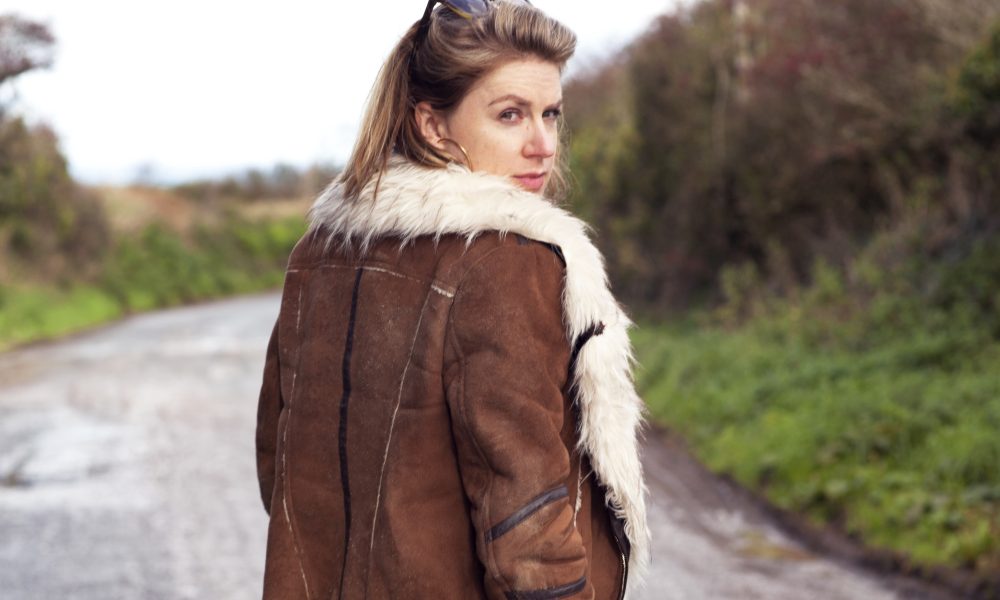
“Parallel Tracks”: Sophie Ratcliffe on Academia, Memoirs, and Motherhood
“I used to want to experience everything. I don’t anymore.”
-
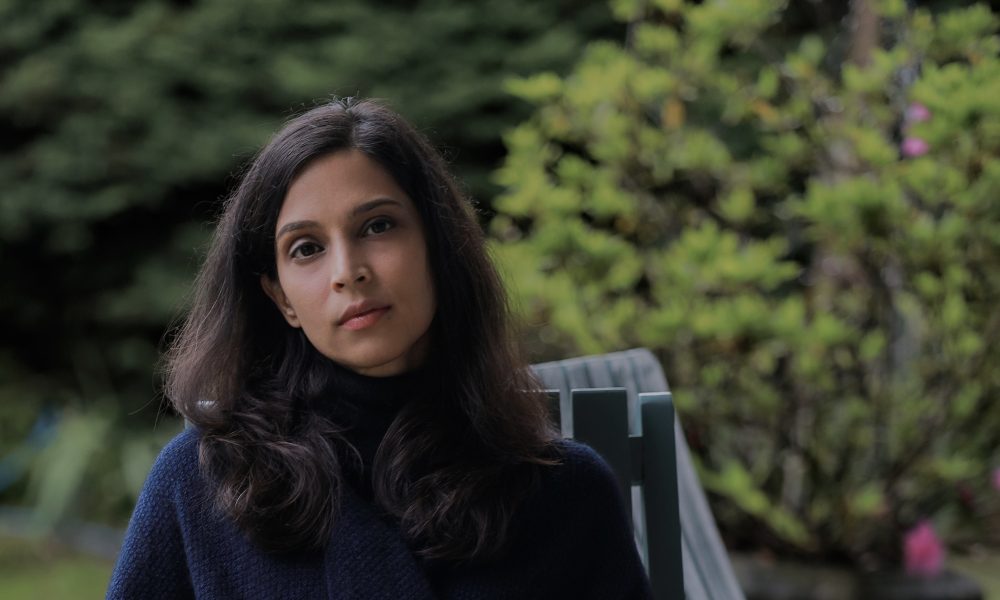
The Poetics of Democracy: A Conversation with Devika Rege
“This novel is about a collective, but that collective is not the nation. It can only allude to the nation without becoming it.”
-
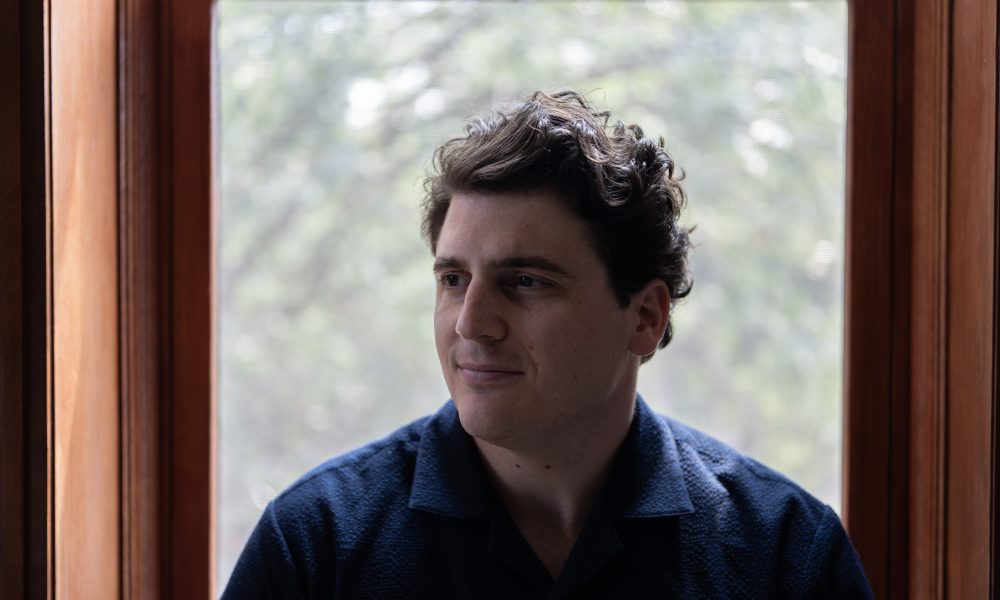
“Agita”: Talking with Alexander Sammartino
“I feel that way every day of my life: ‘astray in errancy.’ I think that’s about being human.”
-
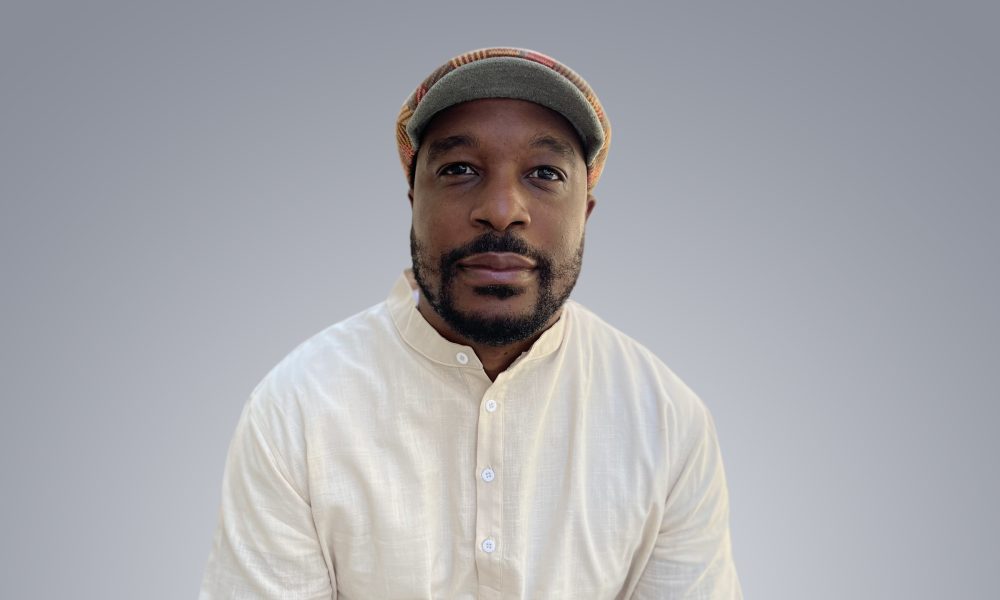
Breaking the Cycle: Laurence Ralph on “Sito: An American Teenager and the City That Failed Him”
“My experience with the criminal justice system is wanting to scream, but realizing that you could also find yourself in a more precarious situation if you do that.”
-
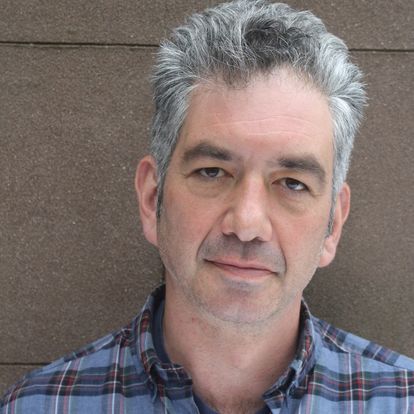
“She Really Wanted Nothing to Do with It”: Gabriel Brownstein on the Ongoing Question of “Hysteria”
“I really became interested in the part of Freud that we don’t know much about, Freud before he became Freud.”