Section
Borderlands
-

We Are the Authors of the Story of Citizenship: Daisy Hernández on America’s Myth
“I hope that readers will take it upon themselves to think and feel like they are also the authors of the story of citizenship.”





-

“Paris Latino”: How Latin America Migrated to Europe
“Paris est la capitale de l’Amérique latine,” said Mexican essayist Carlos Fuentes.
-
Imagining Intruders to Imagine a Nation
We are in a moment that makes clear that the border—as a regime of enmity—can make intruders of us all.
-

The Border is a Technology—Art Can Dispute It
Art practice and speculative imaginaries can be sites of dissent and intervention.
-

Tech, Stones, and Stories: How the Violence of Border Tech is a Historical Matter
Border technologies live within loops of failure → crisis → fix → failure → crisis → fix, eternally to be tested. It will work, promise! Just wait for one more iteration.
-
Borders Are War by Other Means
The border today is and is made through sociotechnical arrangements centering data in the regulation of racial difference.
-

With Big Tech, the Border Is Everywhere
Given that the border is already mystified as a technology, new forms of computerized border technologies doubly fetishize the configurations of people, materials, force, and law that compose bordering practices.
-
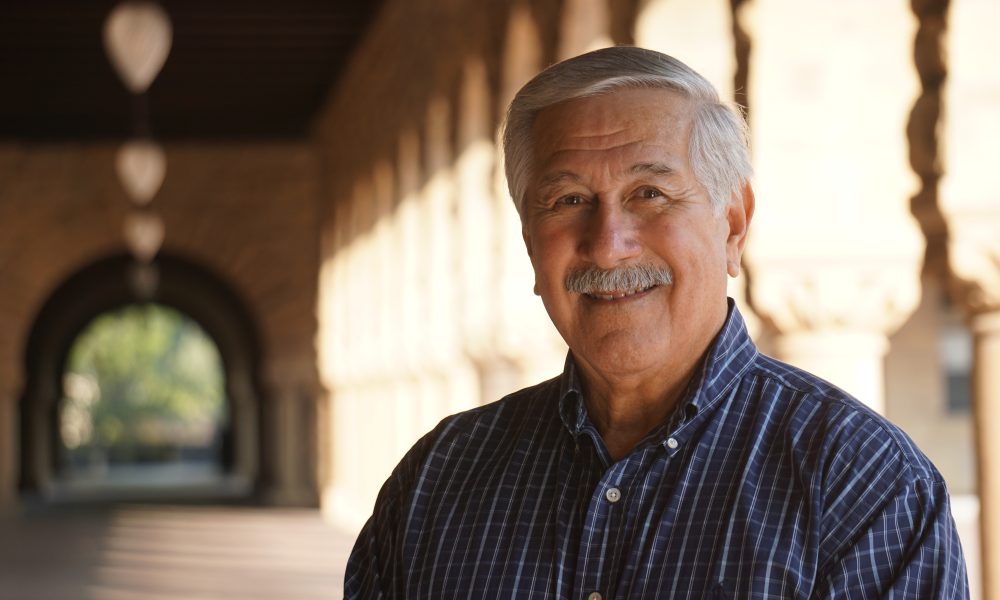
Albert Camarillo on “Compton in My Soul: A Life in Pursuit of Racial Equality”
Albert Camarillo is the Leon Sloss Jr. Memorial Professor, Emeritus, at Stanford University. He’s one of a small number of people who founded the academic field of Chicano/Latino history. He has also mentored so many of the historians who’ve written books that teach us much of what we know about the history of Latinos in…
-
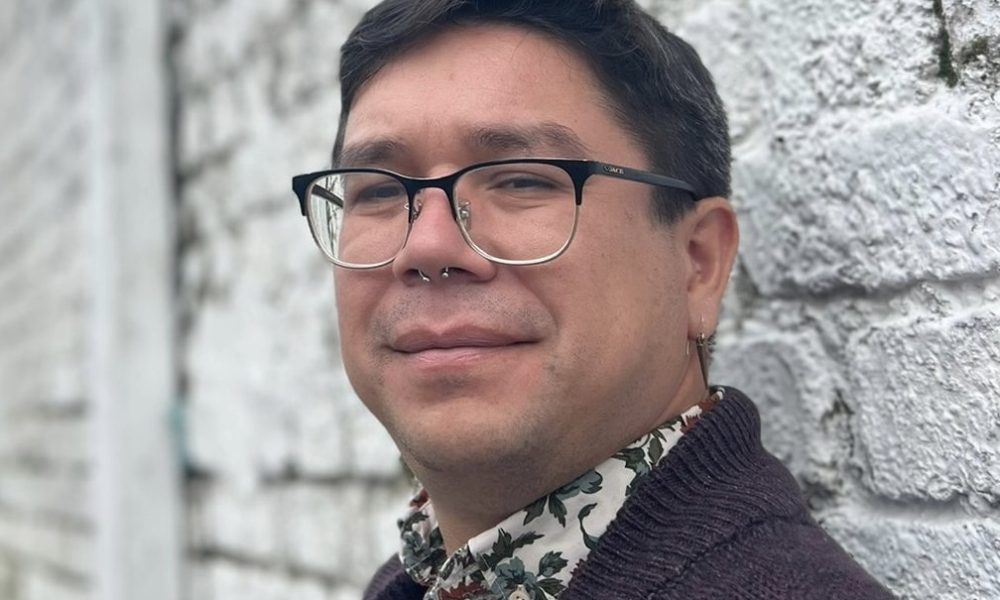
Jorell Meléndez-Badillo on “Puerto Rico: A National History”
“Part of what the book is trying to do is to challenge this notion of Puerto Rican docility.”
-
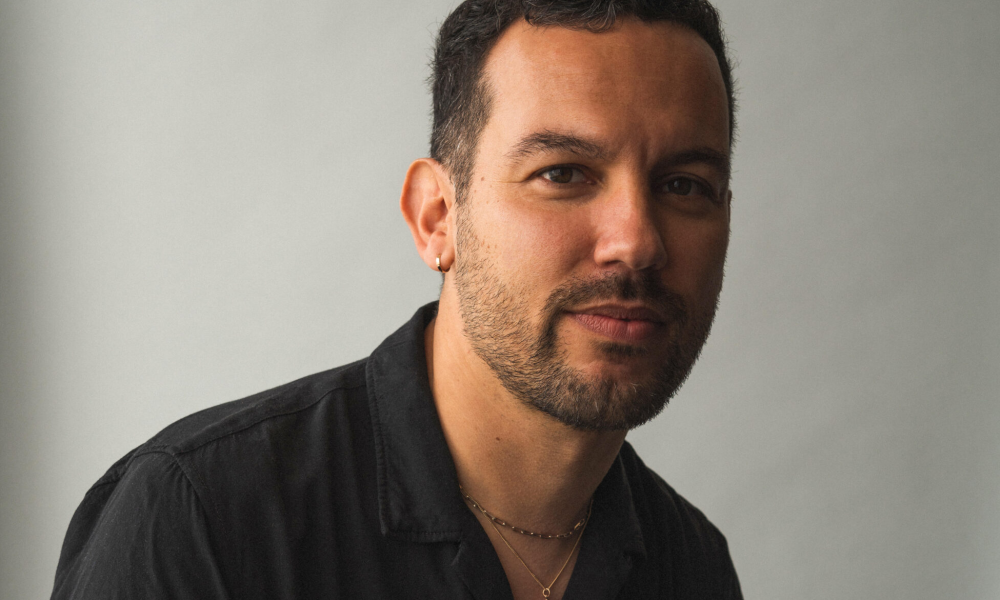
Justin Torres Reads “Youth: The Palisades as a Backdrop”
In this special episode of Writing Latinos, with the writer Justin Torres, we tried something new. Torres reads a short vignette on air—“Youth: The Palisades as a Backdrop” by the Afro-Puerto Rican writer, Jesús Colón—and then we discuss it together. We had so much to talk about! Historical references. Readings of imagery. His message about…
-
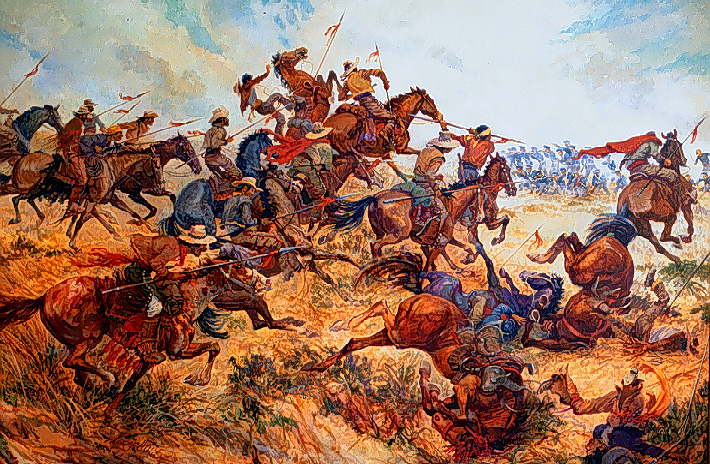
Borders May Change, But People Remain
The legacies of conflict—and their increasingly accessible images in a global age—frame the shared bonds of trauma in keeping the memories of these conflicts alive.
-
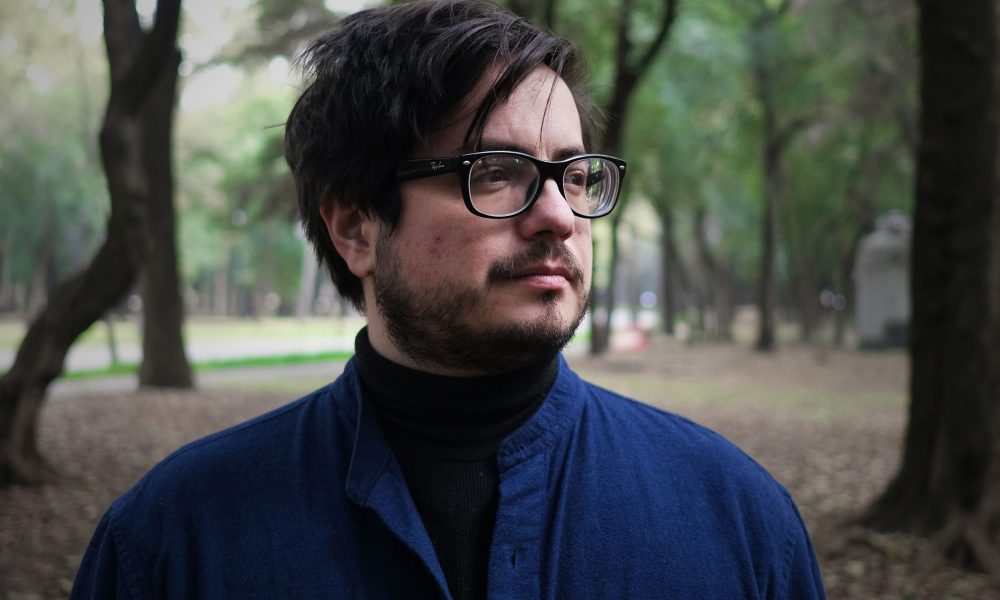
Nicolás Medina Mora on “América del Norte”
“One of the main differences between Mexico and the United States is that in Mexico history is very much alive.”
-

Marie Arana on “LatinoLand”
“The United States is not idea. We are human beings and nobody represents that more in my book than latinos.”
-

-
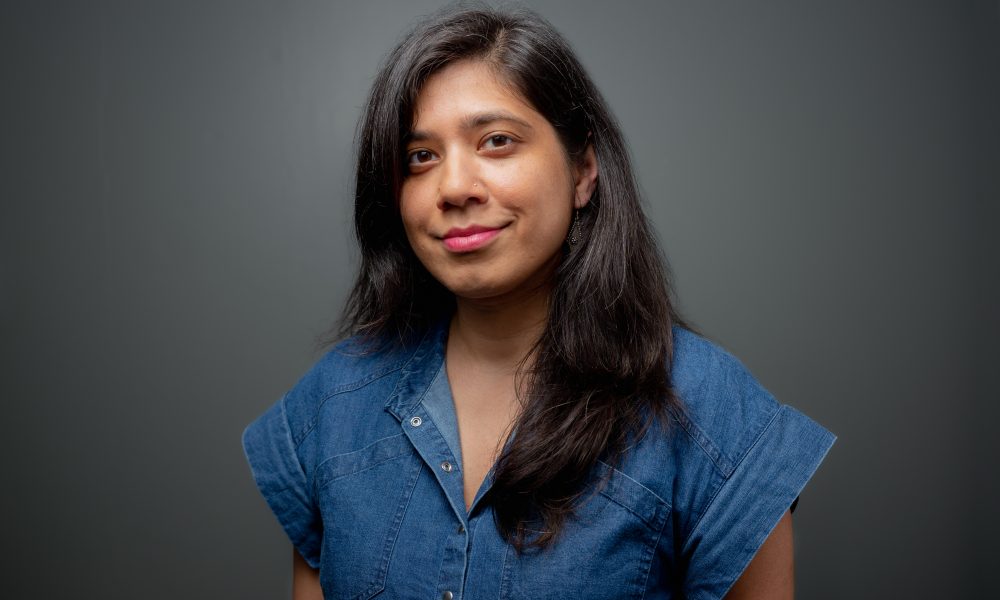
“The Basic Liberal Narrative Is Gone”: Immigrant Rights and Abolition with Silky Shah
“A singular focus on conditions, rather than the violence of immigration detention itself, just lent itself to expansion.”
-

Lori A. Flores on “Awaiting their Feast”
You probably remember the picture of himself, both thumbs up, that Donald Trump posted on social media with the caption, “Best Taco Bowl.” It was his ode to Mexican food on Cinco de Mayo 2016. The picture was mocked relentlessly, and deservedly so. For Latinos, taco bowls aren’t really a thing. And even if they…
-
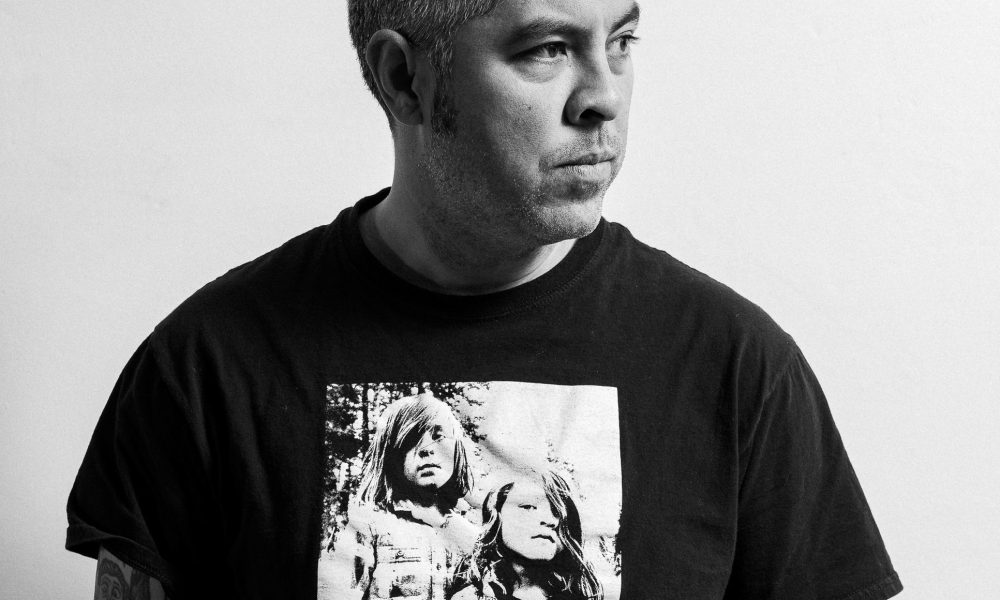
Humor and Fear, Kings and Soldiers: Jason De León on the Untold Story of Human Smugglers
What happens if we start with the assumption that smugglers are, in fact, humans?
-
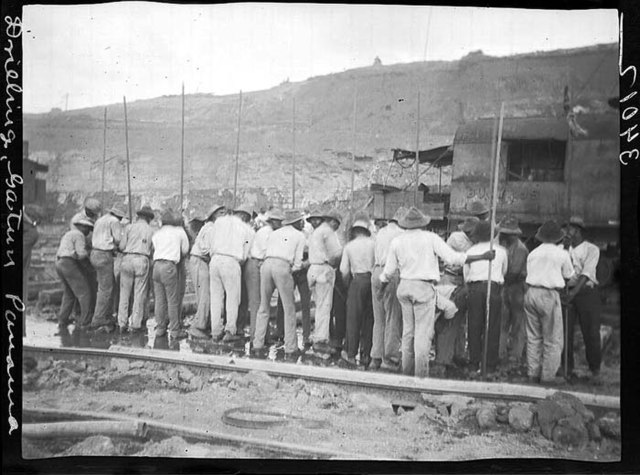
A Prison the Size of the State, A Police to Control the World
Two new books examine how colonial logic has long been embedded within US carceral systems.
-

Toward a New Abuelita Canon
The new abuelita canon is giving a sense of interiority to the lived and unlived lives of our abuelas.
-
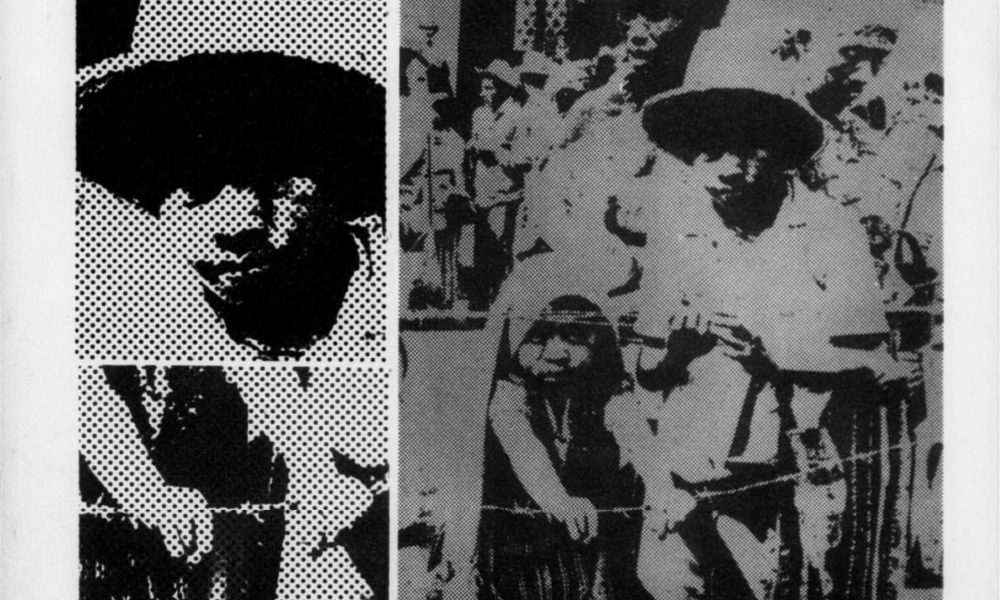
The Weapon of Child Separation
In “Until I Find You,” historian Rachel Nolan carefully navigates the omissions and fabrications in the documentary record associated with adoptions of children in Guatemala.
-
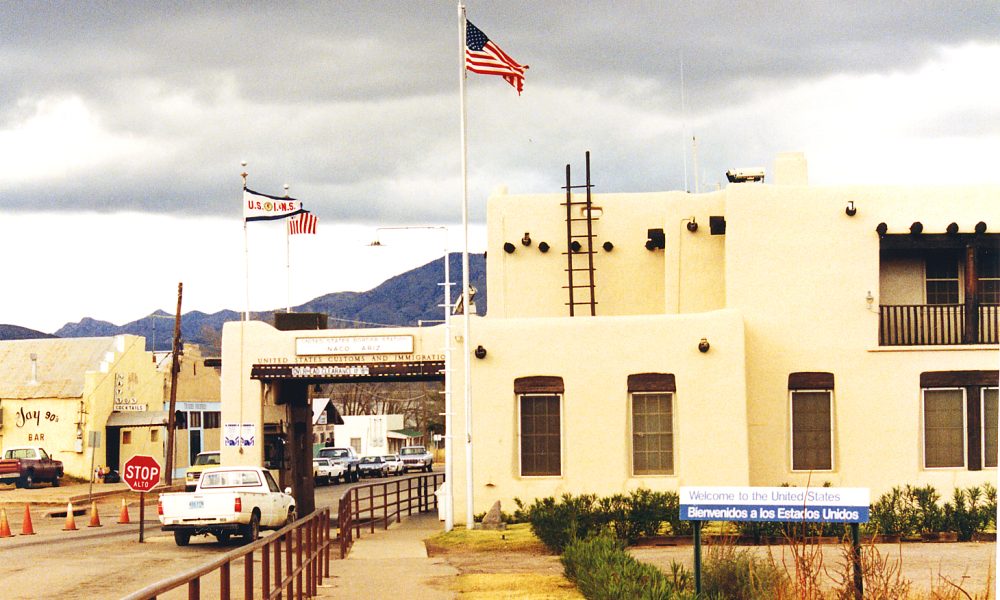
National Sovereignty’s Foundational Violence
“The line belongs to the government,” explains a Guatemalan “smuggler” of the border with Mexico, but “the path belongs to the communities.”