Series
Public Thinker
In this interview series, public scholars talk about how they found their path and how they communicate to a wide audience.
Editors: B. R. Cohen & Ben Platt

-
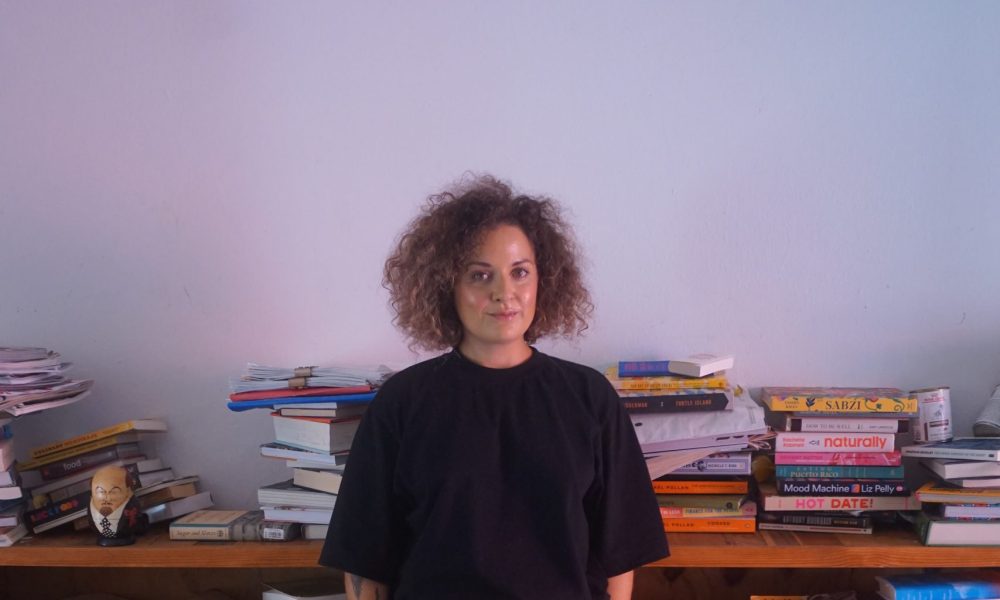
“The Interdisciplinary Nature of Food Is Now Un-ignorable”: Alicia Kennedy on Food Writing, Food Security, and Food Justice
“Food writing can no longer just be ‘go to this restaurant’ or ‘explain this dish or cocktail.’”
-
“Courage or Foolhardiness”: Talking Aimé Césaire with Alex Gil
-

We Are the Authors of the Story of Citizenship: Daisy Hernández on America’s Myth
-
“Recover, Replant, Return”: Talking Nuclear History, Writing, and Food with Kate Brown
-
“To Wither in the Same Way We Shall”: Talking Archives, Diseases, and History with Edna Bonhomme

-
Cloth and Complicity: Seth Rockman on Plantations, Textiles, and the Art of Weaving
“But I had found a set of instructions in the archives of one of New England’s leading manufacturers of low-end woollen cloth for enslaved wearers.”
-
“Suddenly, the New Story Was There”
“I had seen a lot of bitumen in the devastated landscapes of the bitumen mines. But seeing it here, in such a mundane and tranquil setting, surprised me. That was when I first understood that this material is natural.”
-
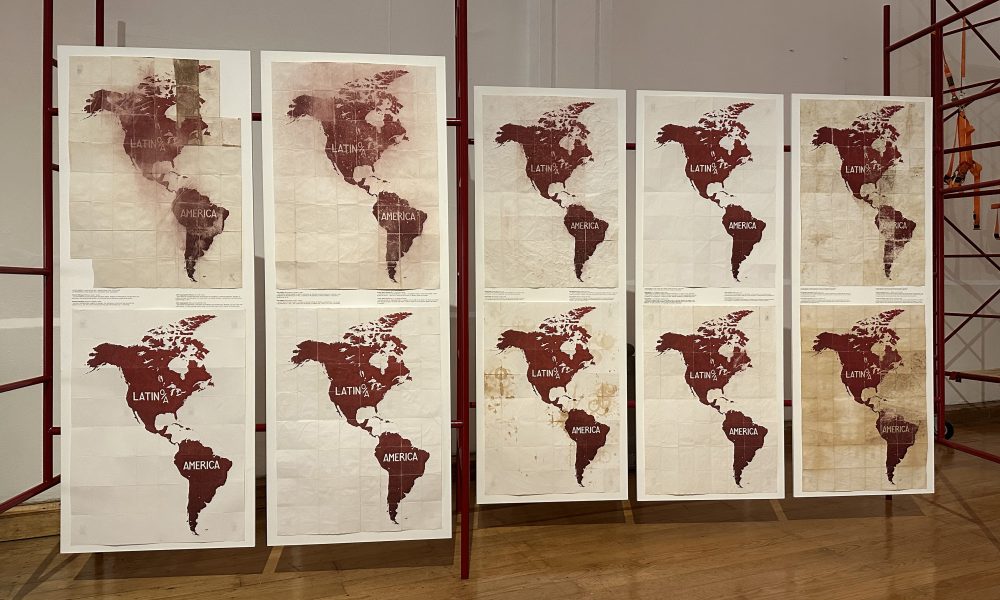
“If You Do Something Social, You Have to Do It Local”: Pedro Lasch on Art, Protest, and Migration
“From the very beginning, I knew I was part of a social movement for undocumented immigrants’ rights.”
-
“A Second Enlightenment”: Greg Grandin on Latin America, the United States, and the Creation of Social-Democratic Modernity
“My books try to explain a tension.”
-
Are Species Timeless?: Talking with Bathsheba Demuth About the Arctic
“There was an interdependence that was very clear in the animal relationships in the Arctic.”
-

Beyond the “Burden of Belief”: Pádraig Ó Tuama on Religious Trauma, Eros, and Poetry as Prayer
“I began to look for other verbs when it comes to my doubt and my rage and my yearning and my sadness.”
-
Humor and Fear, Kings and Soldiers: Jason De León on the Untold Story of Human Smugglers
What happens if we start with the assumption that smugglers are, in fact, humans?
-

Slavery Is Not a Metaphor: Rethinking Mass Incarceration with John Bardes
In the aftermath of the American Revolution, slaveholders in the South were thinking about what a prison should look like for a society that was economically and socially dependent on slavery.
-

“The Diva Always Has a Transcendent Virtuosity”: Deborah Paredez on Divas, Tías, and Celebrity
“The diva is so often seen as remote and unattainable and onstage; I wanted to see how divas allow for a connection.”
-
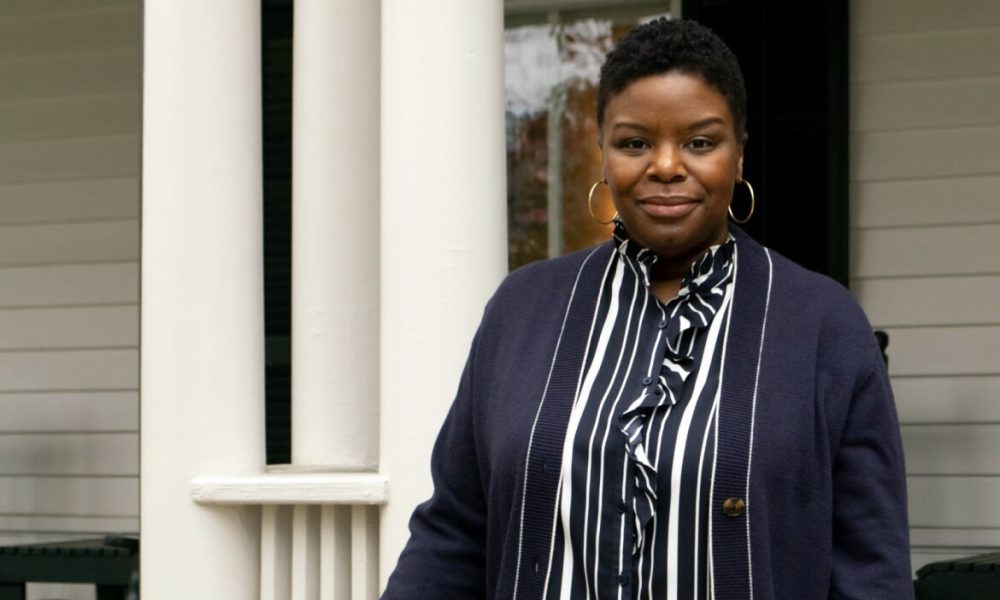
“The World Didn’t Give It, but the World Can’t Take It Away”: Talking Black Joy and Black Freedom with Blair LM Kelley
“Joy is a uniquely interesting Black experience. We talk about joy a lot, we sing about joy.”
-
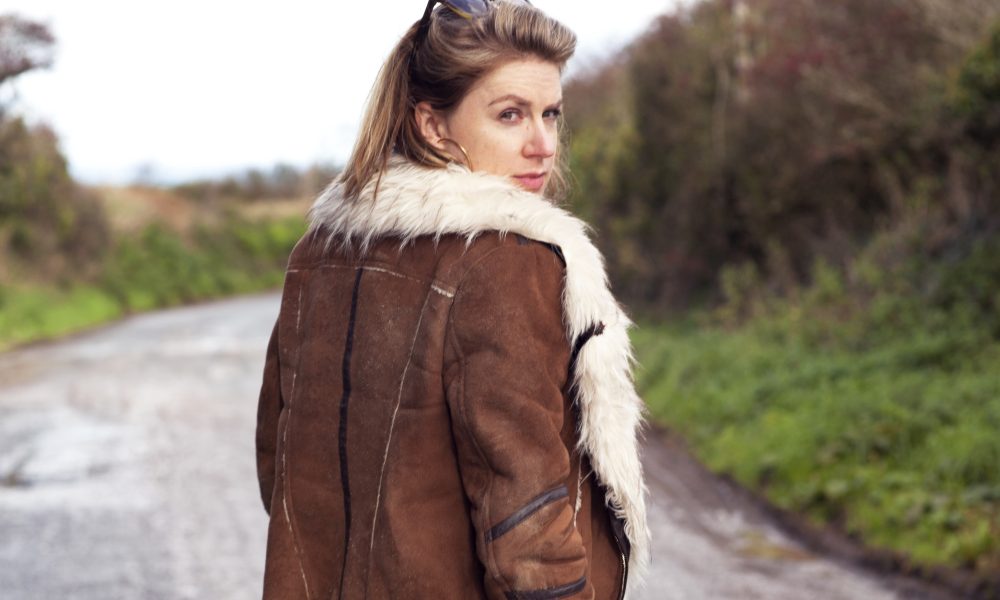
“Parallel Tracks”: Sophie Ratcliffe on Academia, Memoirs, and Motherhood
“I used to want to experience everything. I don’t anymore.”
-

Frivolity Is Not Unserious
“When we try to write about trauma, no matter what the trauma we wish to explore, it’s the poet’s job to do their homework.”
-

Public Thinker: Jonathan Kramnick on the Craft of Criticism amid Institutional Decline
“Arguments stand or fall to the degree to which the practice is done well.”
-
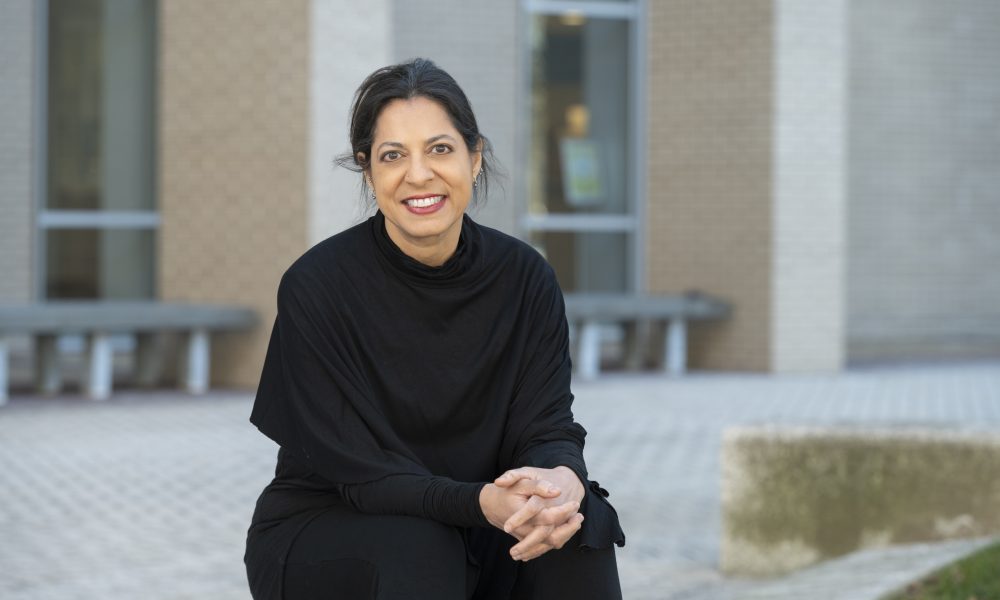
Public Thinker: Infrastructure Tells Us That We Need One Another
“Seeing infrastructural systems for what they are requires us to understand them as the product of massive collective investment and to reflect on the value of that.”
-
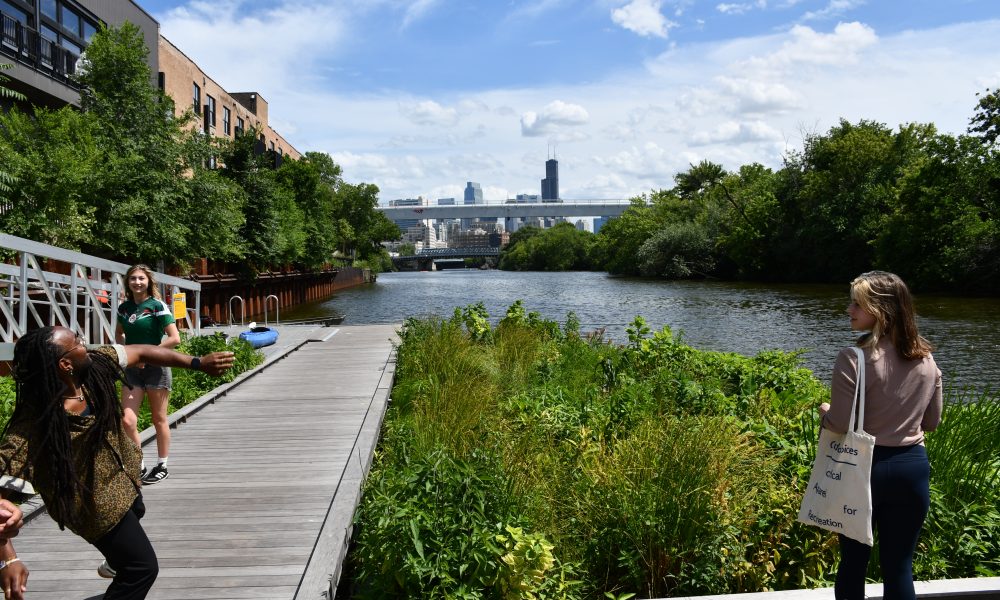
Public Thinker: Jayson M. Porter on Healing in Public
“I feel blessed to live so close to a country that’s had a revolution inform how people struggle for land around the world.”
-
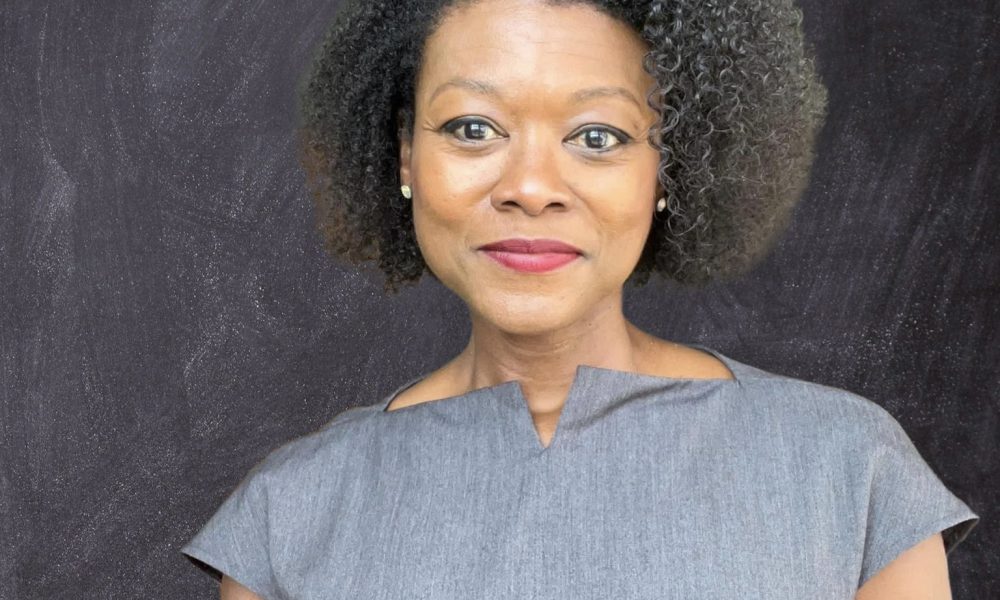
White Mediocrity Empowers White Villainy: A Conversation with Koritha Mitchell
“Not only does whiteness empower folk to destroy entire communities; it empowers them to say to your face that the destruction doesn’t have reverberating effects in the current moment.”
-
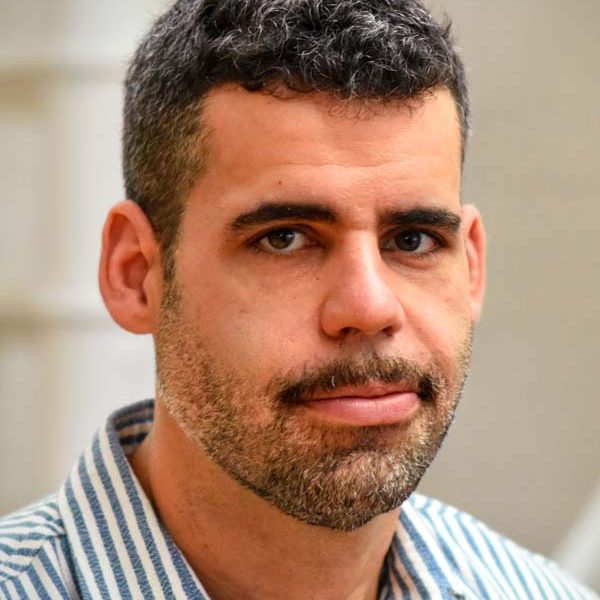
Public Thinker: Gabriel Rosenberg on Industrial Agriculture’s “Brutal, Violent Heteronormativity”
“Much of the anxiety around conversations about meat is a more fundamental horror that we lack a moral language to adequately describe.”
-
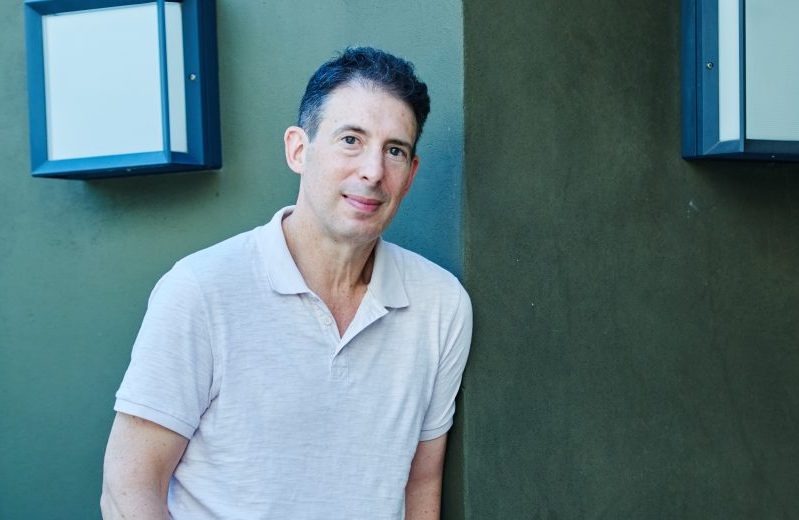
“2020 Isn’t Over”: Eric Klinenberg on Pandemics, Politics, and Solidarity
“What we needed was wisdom and clarity. What we got was chaos and confusion.”
-
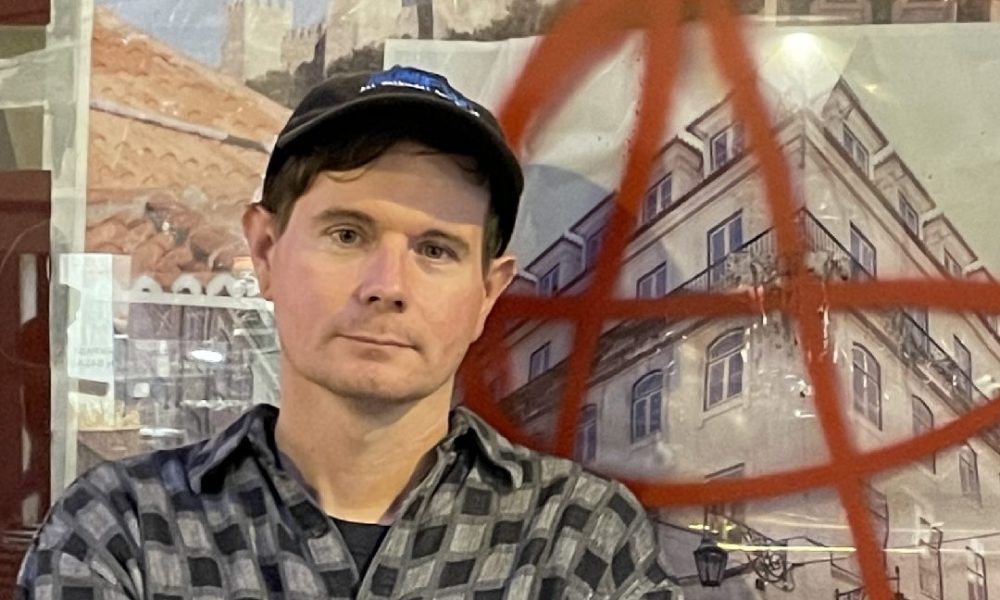
“Living in and as Refusal”: Eric Stanley on Anti-Trans/Queer Violence
“While ungovernability takes many paths, here it approximates living in and as refusal.”
-
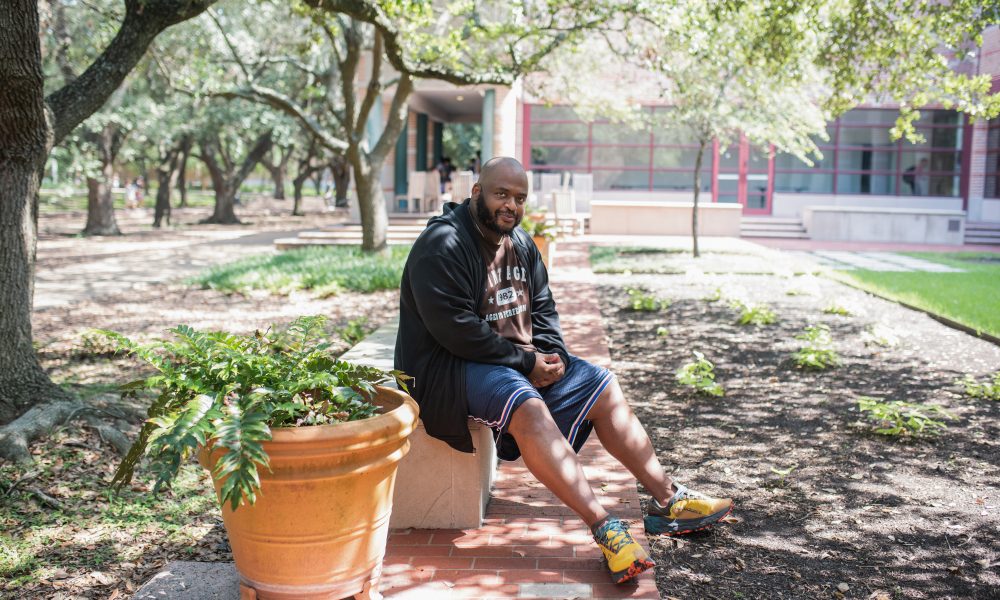
Literary Experiments and Black Southern Time Travel with Kiese Laymon
“My reckoning with the Black South was an attempt to give integrity and texture to my belief that I was an Afrikan with a ‘k.’”