Tag
Borderlands
-
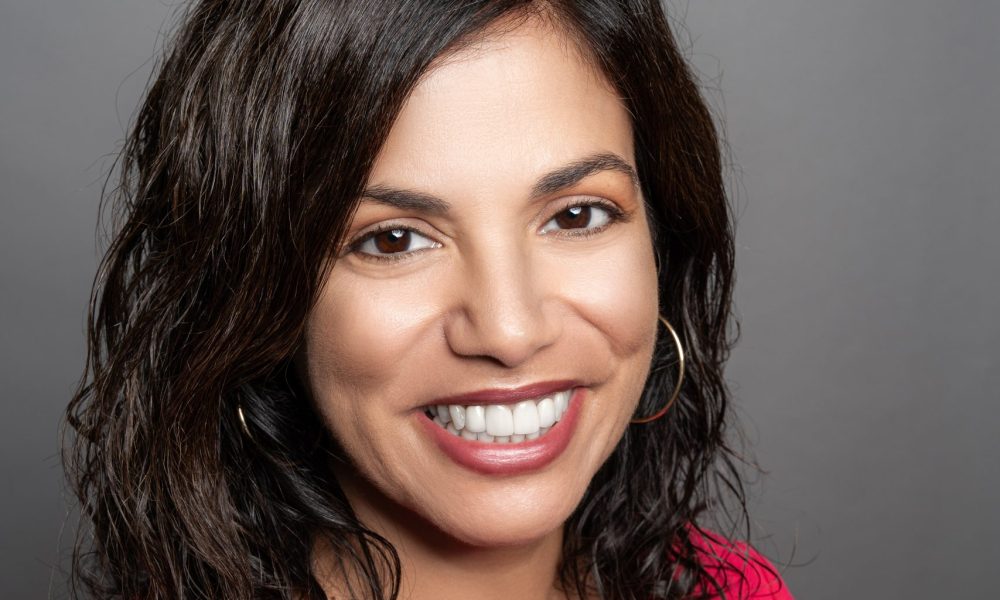
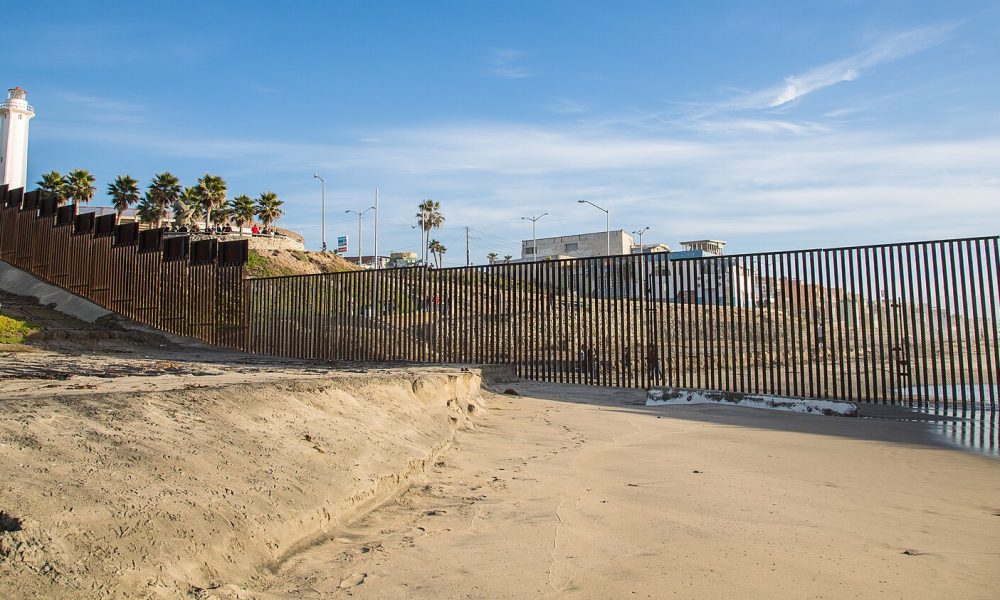
We Are the Authors of the Story of Citizenship: Daisy Hernández on America’s Myth
“I hope that readers will take it upon themselves to think and feel like they are also the authors of the story of citizenship.”
-

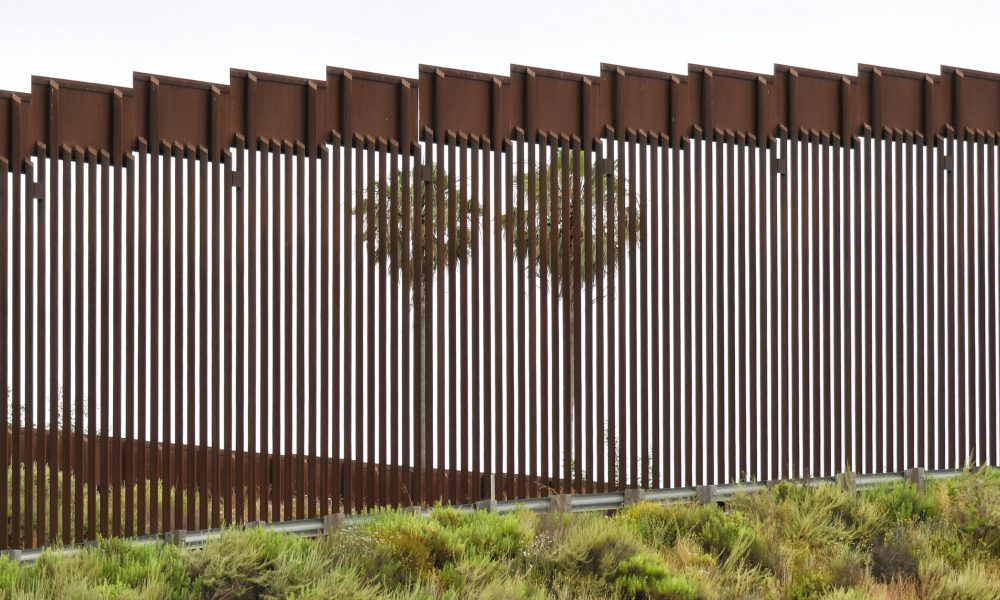
Tech, Stones, and Stories: How the Violence of Border Tech is a Historical Matter
Border technologies live within loops of failure → crisis → fix → failure → crisis → fix, eternally to be tested. It will work, promise! Just wait for one more iteration.
-
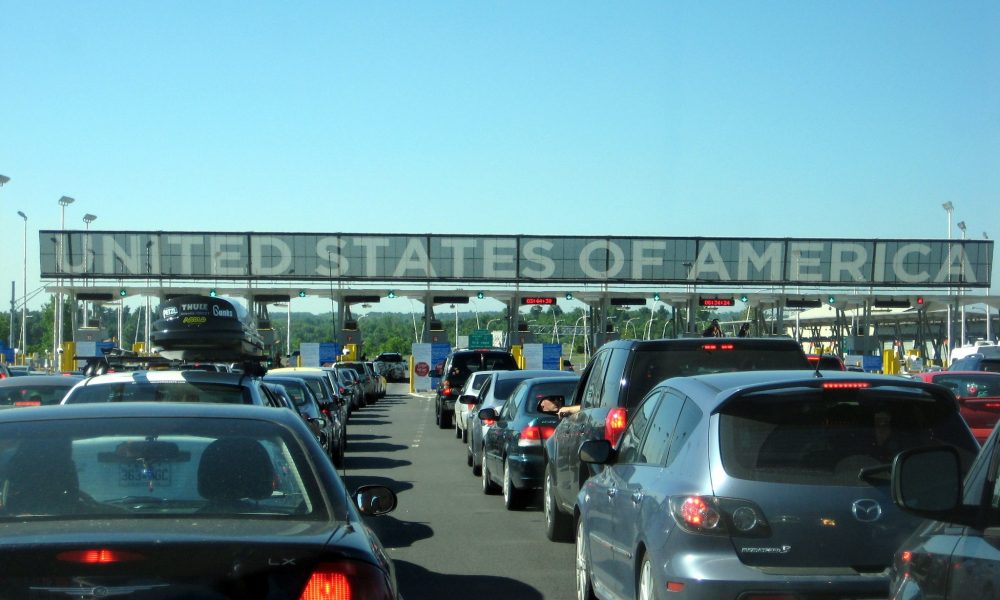
Borders Are War by Other Means
The border today is and is made through sociotechnical arrangements centering data in the regulation of racial difference.
-
“A Second Enlightenment”: Greg Grandin on Latin America, the United States, and the Creation of Social-Democratic Modernity
“My books try to explain a tension.”
-
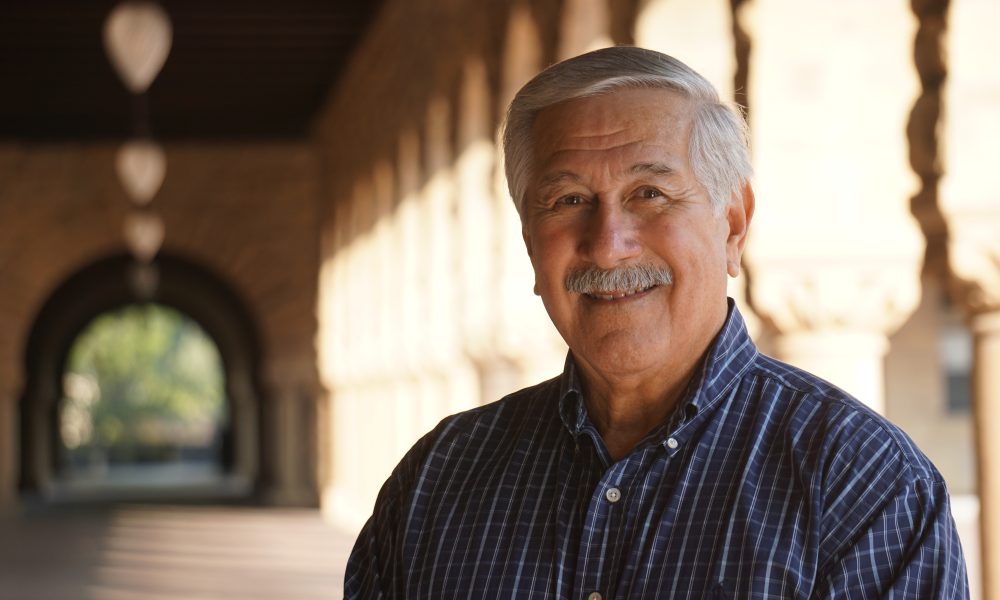
Albert Camarillo on “Compton in My Soul: A Life in Pursuit of Racial Equality”
Albert Camarillo is the Leon Sloss Jr. Memorial Professor, Emeritus, at Stanford University. He’s one of a small number of people who founded the academic field of Chicano/Latino history. He has also mentored so many of the historians who’ve written books that teach us much of what we know about the history of Latinos in…
-
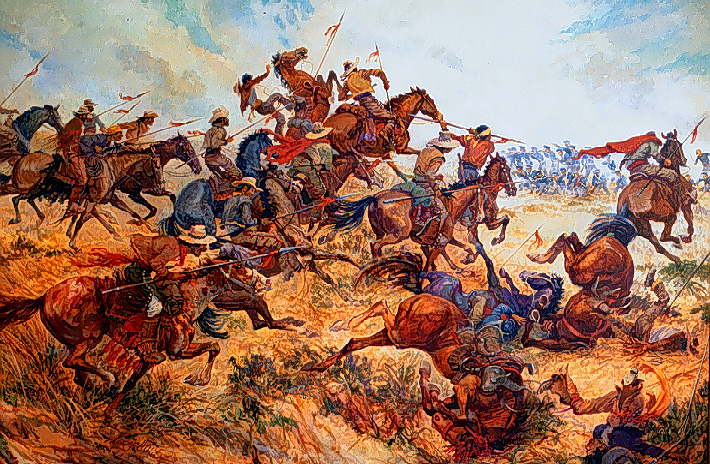
Borders May Change, But People Remain
The legacies of conflict—and their increasingly accessible images in a global age—frame the shared bonds of trauma in keeping the memories of these conflicts alive.
-
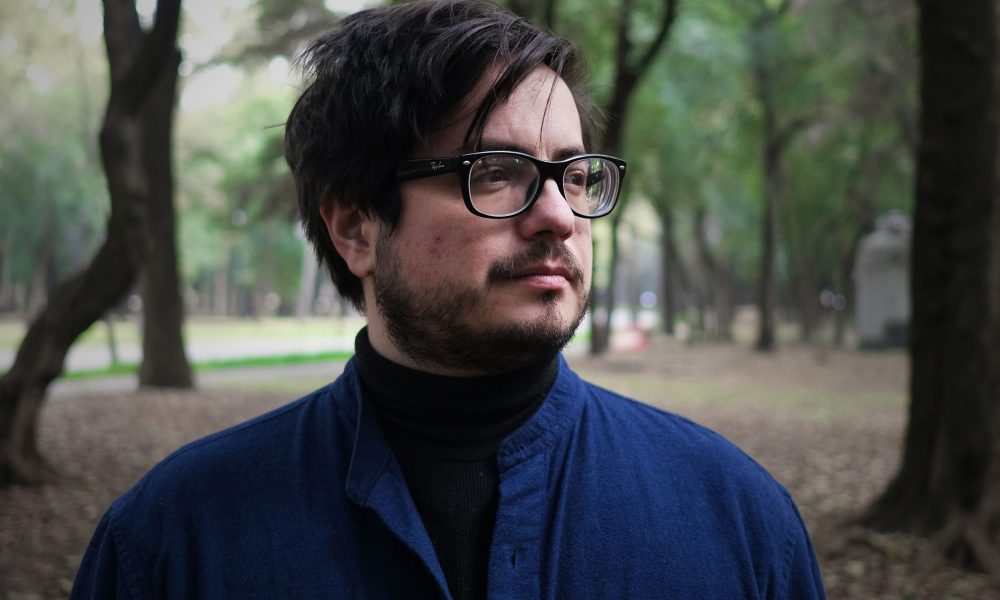
Nicolás Medina Mora on “América del Norte”
“One of the main differences between Mexico and the United States is that in Mexico history is very much alive.”
-
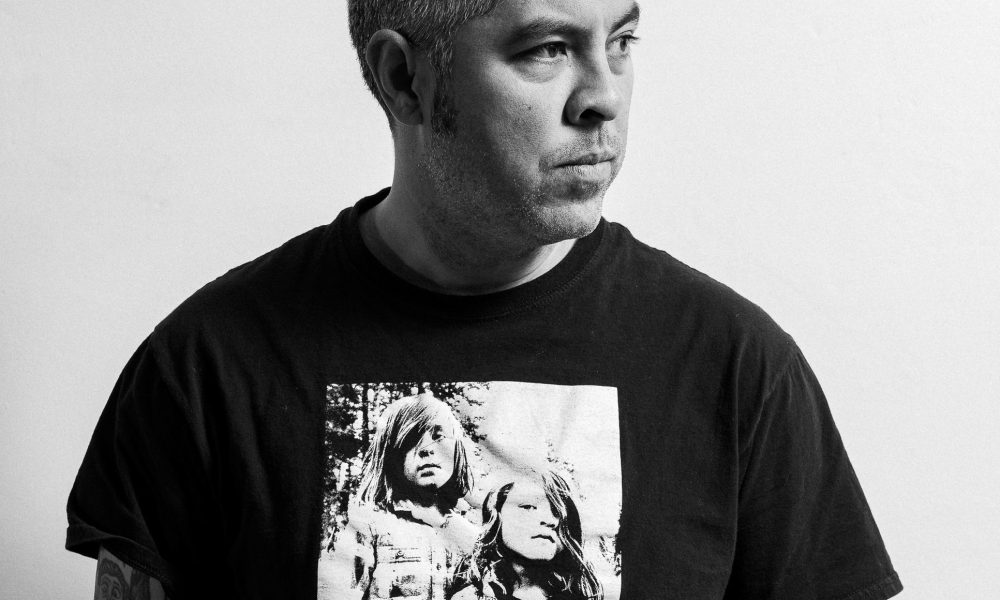
Humor and Fear, Kings and Soldiers: Jason De León on the Untold Story of Human Smugglers
What happens if we start with the assumption that smugglers are, in fact, humans?
-
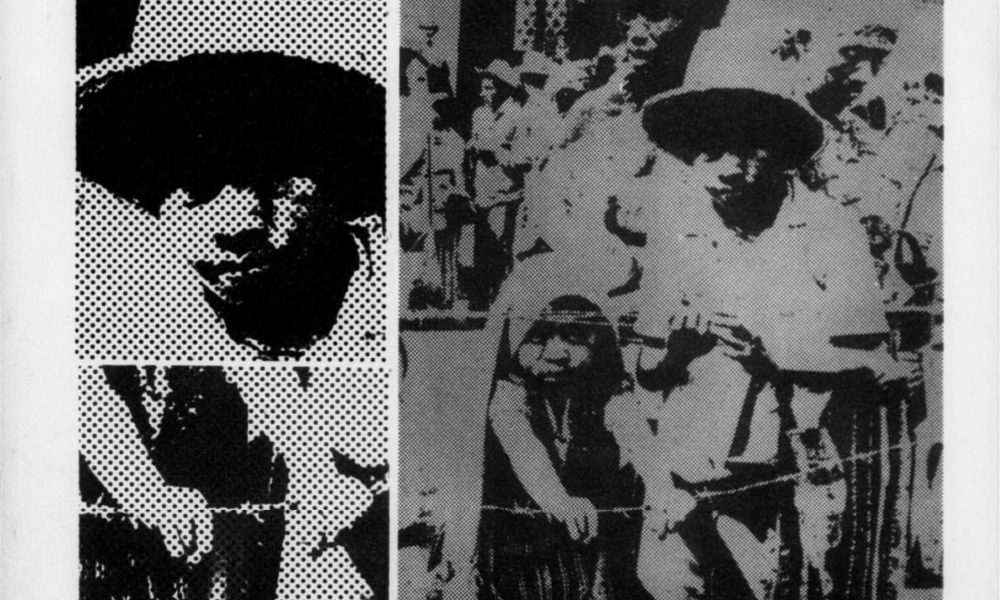
The Weapon of Child Separation
In “Until I Find You,” historian Rachel Nolan carefully navigates the omissions and fabrications in the documentary record associated with adoptions of children in Guatemala.
-
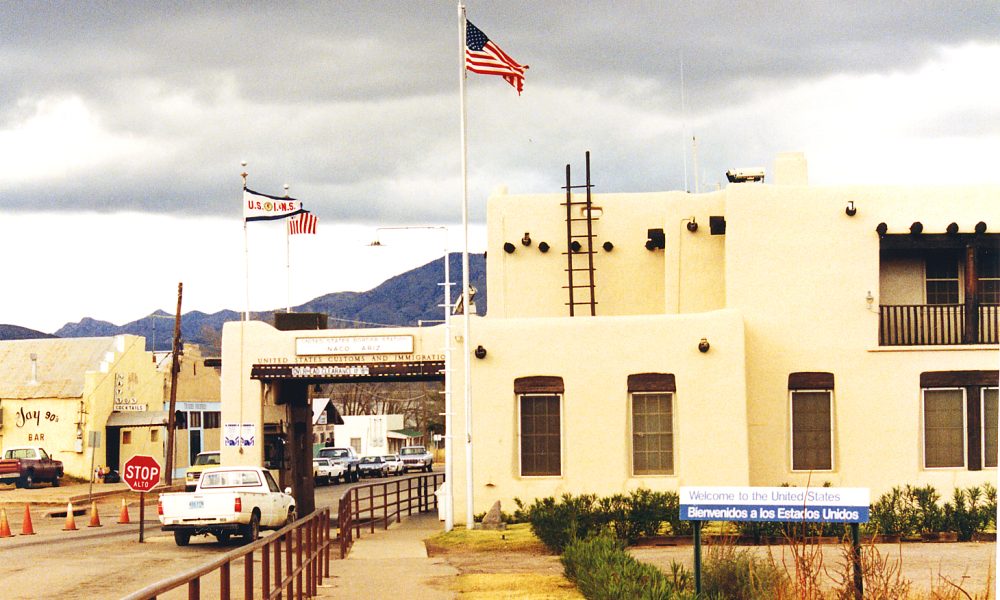
National Sovereignty’s Foundational Violence
“The line belongs to the government,” explains a Guatemalan “smuggler” of the border with Mexico, but “the path belongs to the communities.”
-
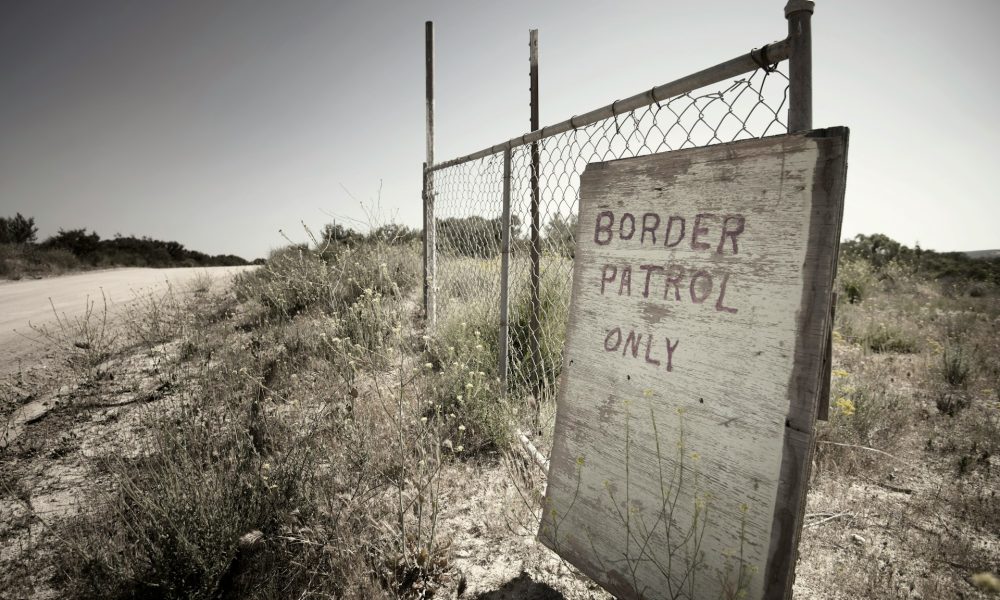
Borderlessness Must Be Our Future
Since the 1970s, nations have built at least 63 border walls and 2,000 concentration camps euphemistically called “immigrant detention centers.”
-
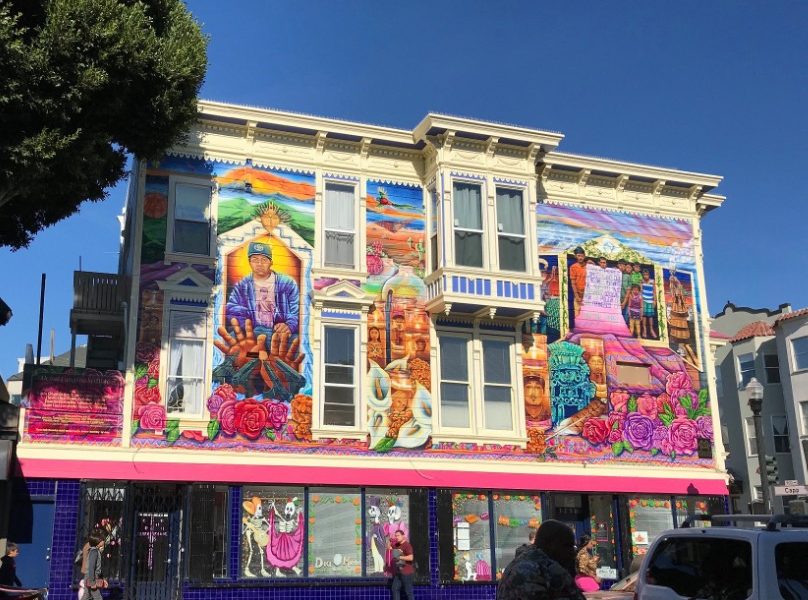
Finding Sanctuary in Art
A single mural in San Francisco’s Mission District honors Latinx victims of police violence both at the US border and in US cities.
-
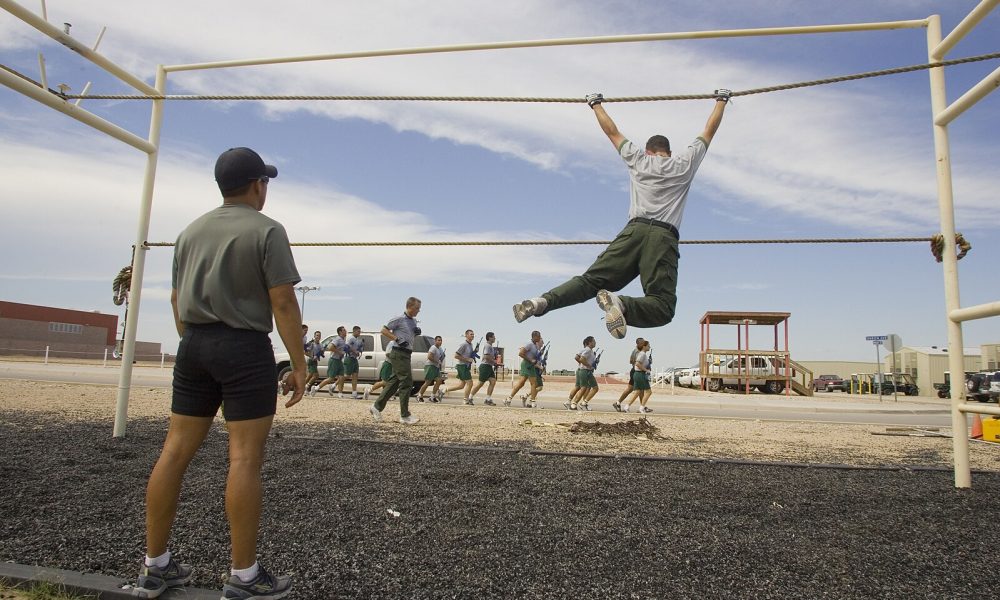
From Suspect to Perpetrator: How History Shaped the Modern U.S. Border Patrol Agent
I was a modern agent of the state.
-
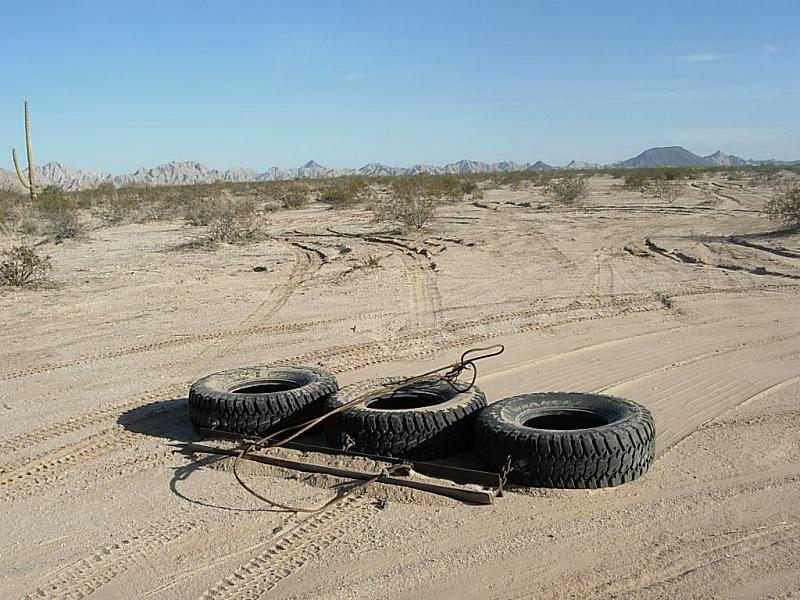
Containment and Care in the Sonoran Desert
Prevention through deterrence did not prevent or deter migration. Instead, it corralled migration, hid it from view, and made it deadly.
-
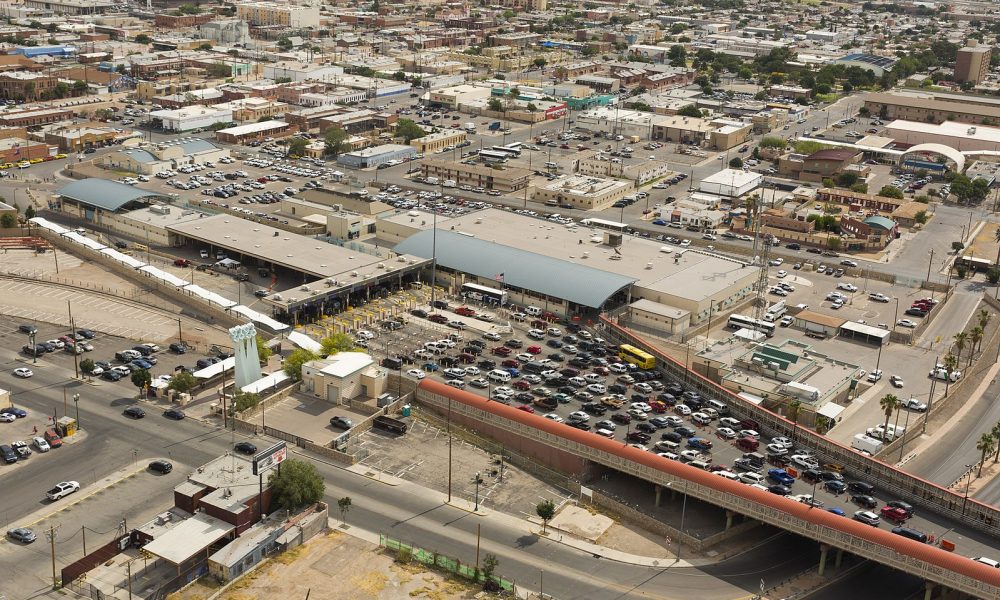
On the Edges of Fascism and Other Unsettling Possibilities
“Borders generate more human possibilities: citizens standing for the rights of noncitizens, finding them refuge, seeking them sanctuary, pushing at the margins of the state and its sovereignty.”
-
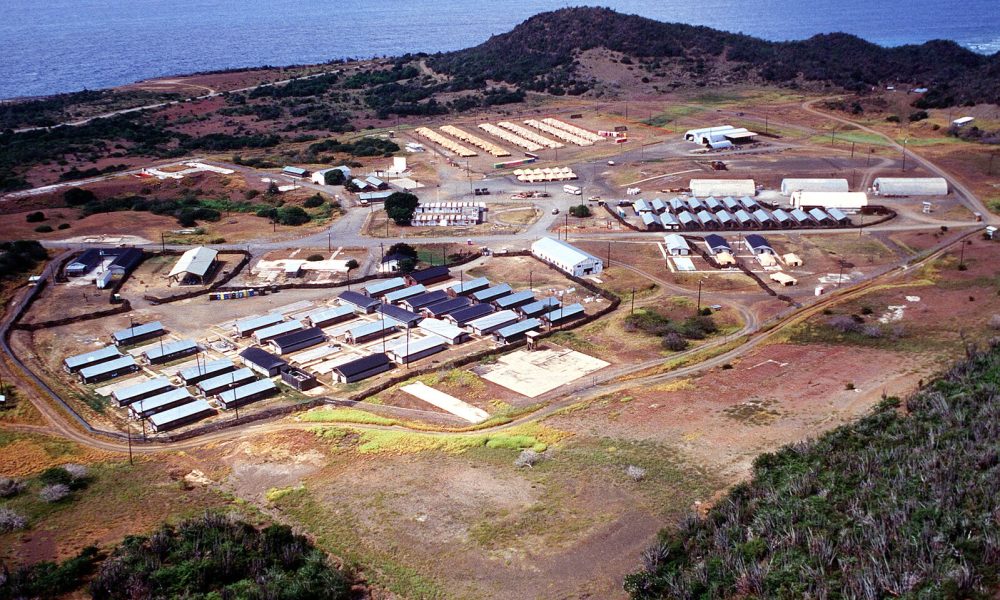
“This Is Not for the Policy People”: Ninaj Raoul on Making Change for Migrant Lives
“I’d never imagine that in 2024 we would have tents of refugees in Brooklyn. … We’ve totally gone backward.”
-
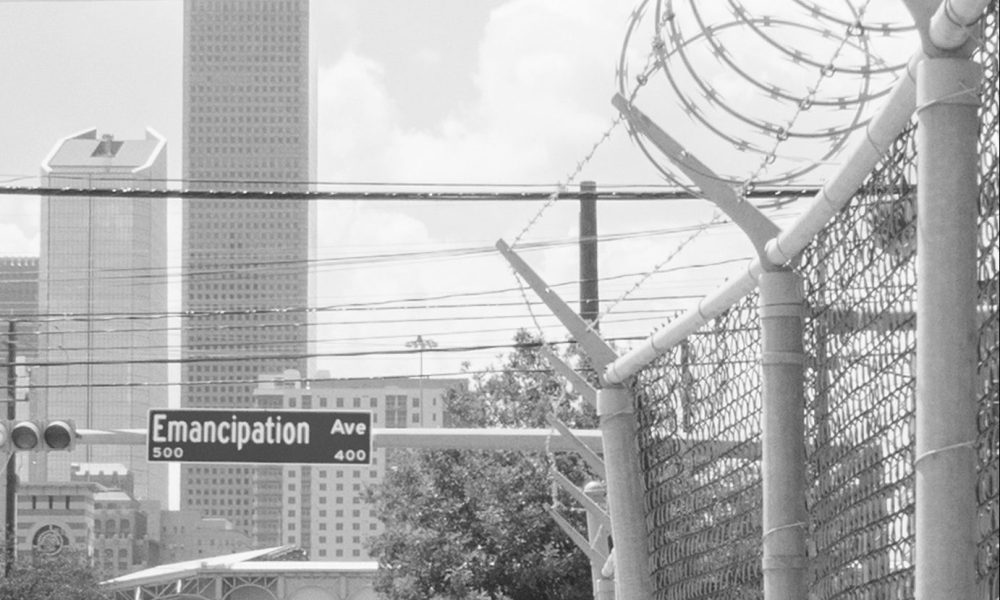
The Border Patrol and Asylum Exclusion
Border Patrol has regularly abused its authority and mistreated immigrants and asylum seekers in countless ways. Yet its role as the frontline force in asylum exclusion has only grown.
-
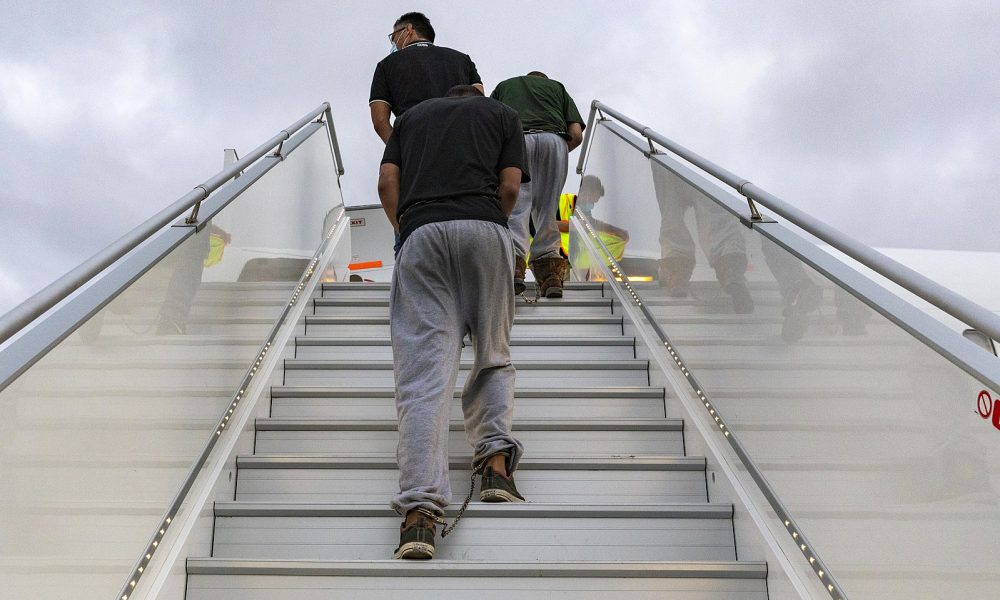
America’s Medicalized Borders: Past, Present, and Possible Future
“Only by building new models of collective health that are driven by solidarity, rather than fear, do we stand a chance of defeating today’s medical nativists.”
-
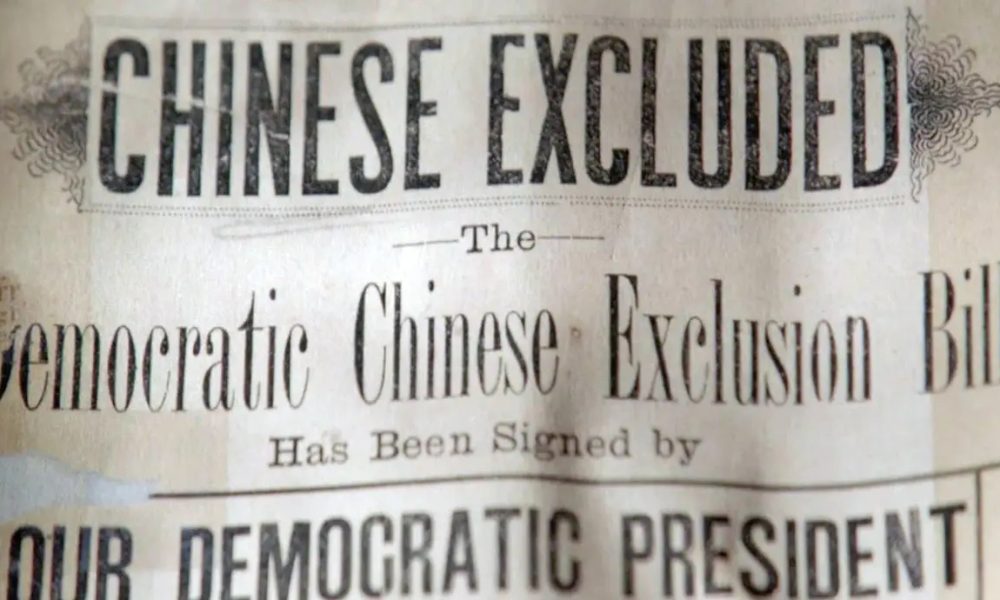
The 100-Year-Old Racist Law that Broke America’s Immigration System
The Chinese and Asiatic exclusion laws of the 19th and early 20th century paved the way for the Immigration Act of 1924.
-
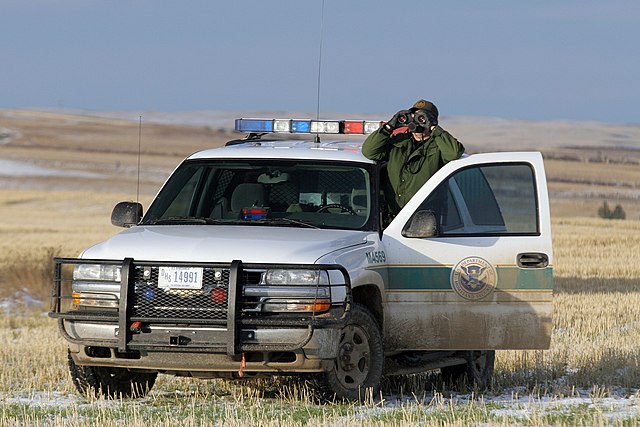
The Border Is the Crisis: Reflections on the Centenary of the Immigration Act of 1924
One hundred years have passed since the passage of the Johnson-Reed Act and the creation of the Border Patrol. But the undercurrents that mobilized both never went away and are resurging with renewed fervor.
-
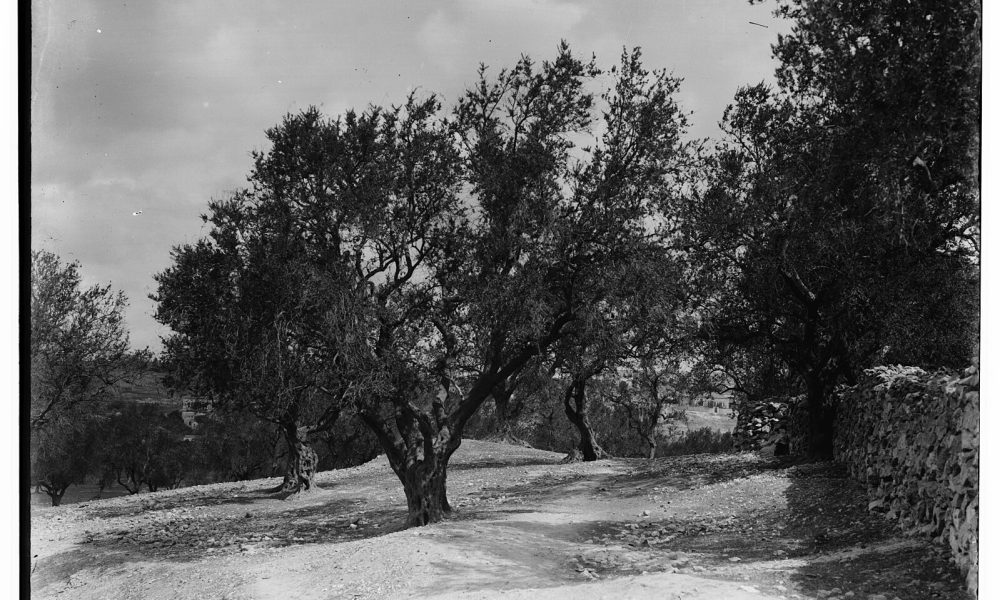
Crossings into Indigenous Palestine
“If the olive trees knew the hands that planted them,” wrote Palestinian poet Mahmoud Darwish, “Their oil would become tears.”