
Tag
Film
-

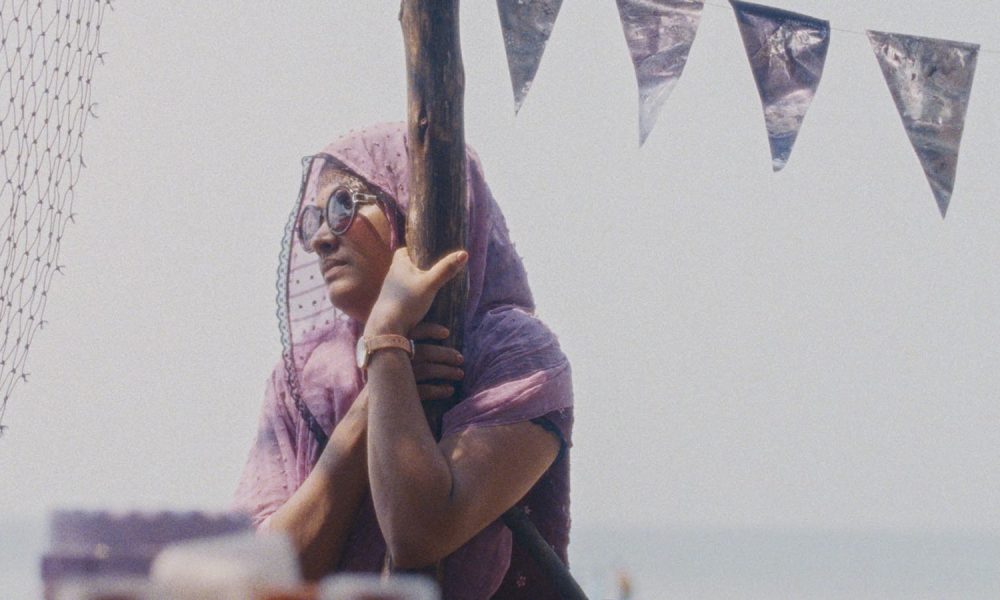
The Shape of Ménage à Trois to Come
“However much desire there is for the threesome to maintain its stability, the cultural force of homogenous marriage is strong.”





-
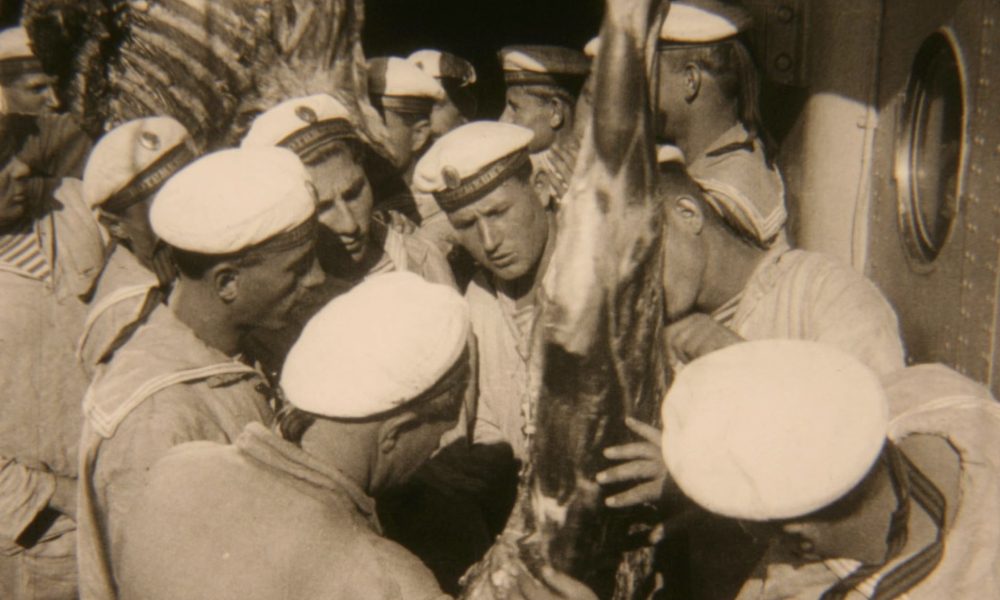
Eisenstein’s Unrealized Worlds
Can a film that was never finished reveal the possibility of an alternative social system?
-

“Totto-chan,” the Myth of Hans Asperger, and Disability Pride amidst Fascism
In the lead up to World War II, one headmaster educated children with a variety of abilities—and doing all he could to protect his students from Japan’s authoritarian government.
-
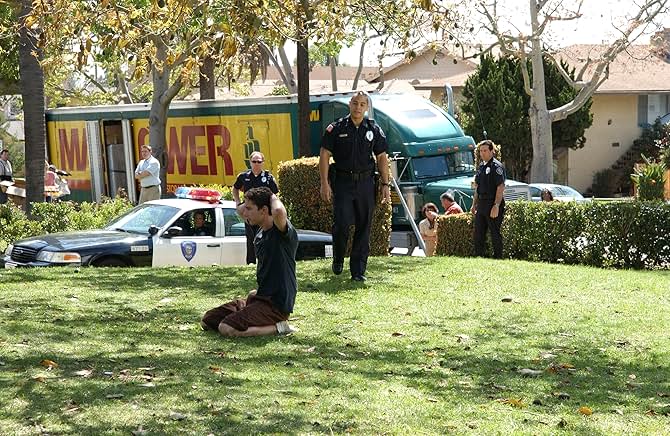
Unhappy Halloween: “Disturbia” and the Endless Horror of Domestic Violence
Actor Shia LaBeouf got a real-life ending like that of his film character: Go continue to be a predator.
-
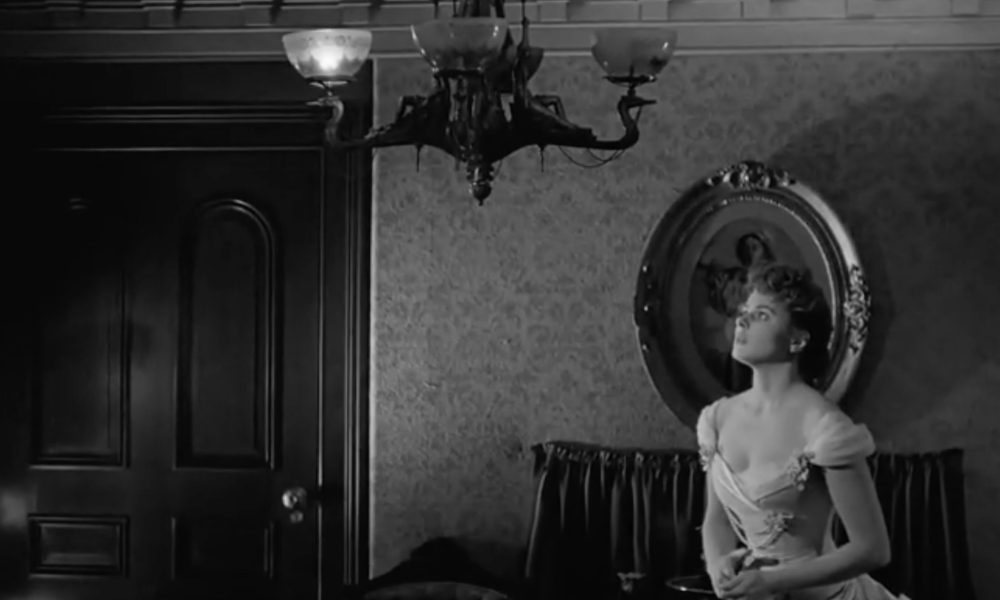
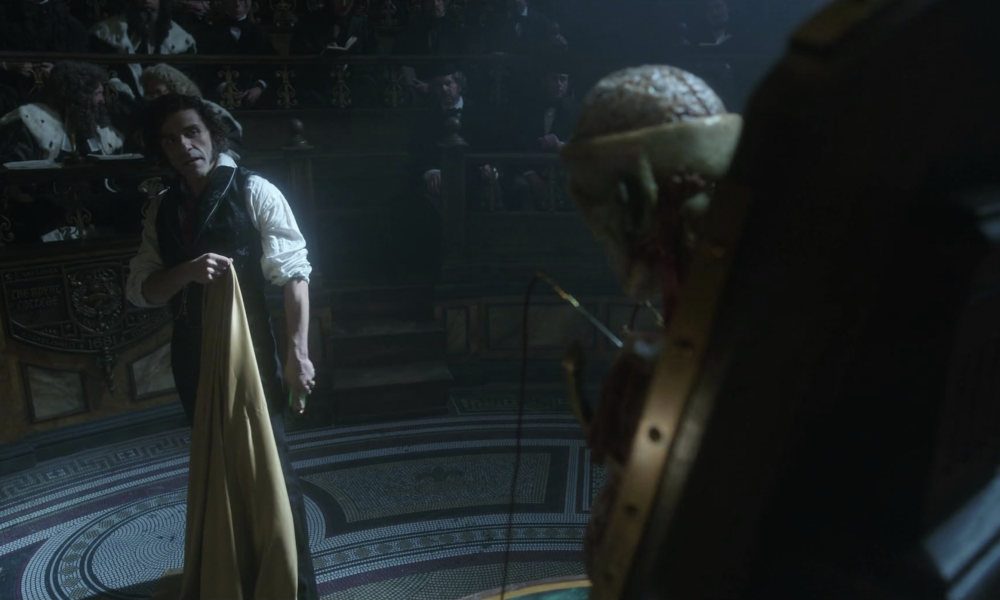
The Lost Ending of “Gaslight” That You Didn’t Know You Needed
The only way to really understand the term is to sit down and watch the harrowing psychological film from which it got its name.
-

“Radical Powers of Metamorphosis”: On Global Black Cinema
As we follow the camera’s quiet, careful study, we observe—as Fred Moten reflects—that the slave ship also contains the means of its own undoing.
-

Young Almodóvar Versus Old Almodóvar in the World Series of Love
“In recent years, Almodóvar’s films have become more serious, moving away from the campy melodrama and drugged gazpacho we knew and loved him for, toward a mature reckoning with the bigger questions of existence.”
-

Spectacles of Return: The Silent Labors of “Dahomey”
“Dahomey” narrates the Danxomèan treasures’ epic journey home. And yet, the film remains haunted by the visible and invisible human labor that made this homecoming—and its cinematic telling—possible.
-

“No Future” Lexicon: The Post-Post-Apocalyptic
But what lies beyond the end of the world? Casting off the trappings accreted by the post-apocalyptic genre emerge stories of the post-post-apocalyptic.
-
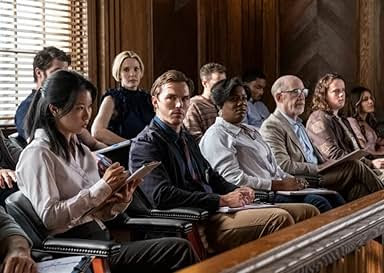
2 Angry Men: On Eastwood, Trump, and the Law
In attacking law without attacking the real abuses of the criminal justice system, Juror #2 is a groundless assault on the only institution that can save us from all-out authoritarian rule.
-
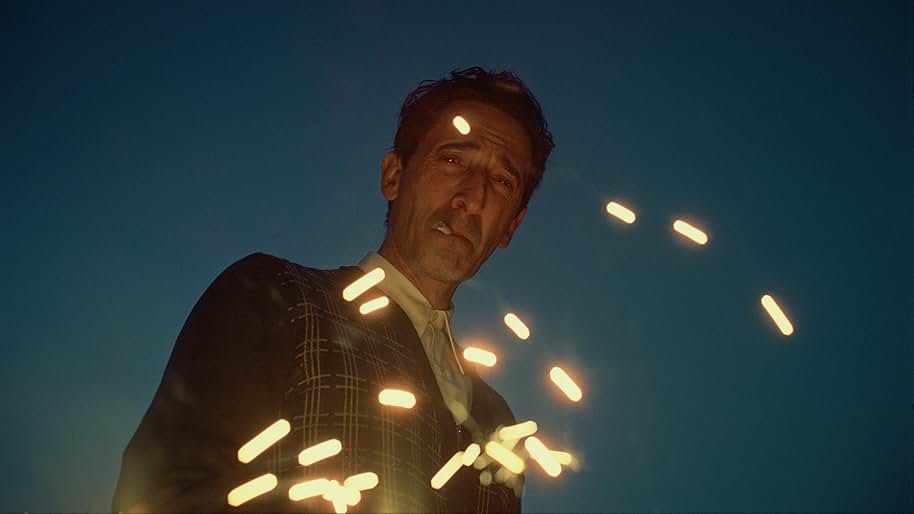
“The Brutalist”: Rebuilding, Repatriation, and the False Antidote of Aliyah
“The Brutalist” takes a stand for human rights and against the institutions that facilitate—or even rely on—the dehumanization of everyday people.
-

Triumph of the Undead: The Public Domain as Horror Hero
Both “Nosferatu” and “Night of the Living Dead” provide key examples of how vital the public domain is for horror.
-
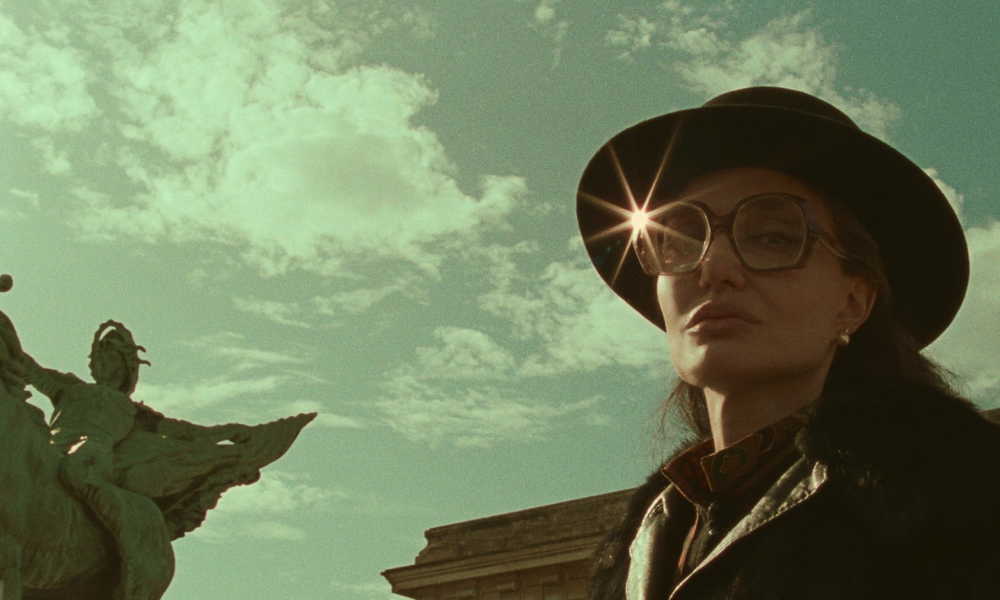
Perfect Recordings of Lost Voices
The film itself is warning you: No matter how beautifully shot, Jolie sitting at a table is not Maria Callas.
-

Purging the Monster: French Cinema Puts Bad Mothers on Trial
In both “Saint Omer” and “Anatomy of a Fall,” we are meant to identify with the defendants—albeit for different reasons.
-

Money for Nothing: Finance and the End of Culture
Art continues to get made—that’s what human beings do—but capital devours it.
-

“The Diva Always Has a Transcendent Virtuosity”: Deborah Paredez on Divas, Tías, and Celebrity
“The diva is so often seen as remote and unattainable and onstage; I wanted to see how divas allow for a connection.”
-

“This Probably Shouldn’t Be a Film … But It Is”
Zia Anger’s “My First Film” is and is not her first film.
-

How to Botch a Horror-Feminist Sequel in Seven Depressing Steps: “Alien: Romulus”
“Alien: Romulus” is primarily concerned with its aesthetics, not with its ethics. But post-Dobbs, it needed to do more than look good.
-

Miyazaki’s Last Flight
Hayao Miyazaki’s greatness derives from his willingness to sit with and amplify the contradictions that define his animation.
-
-

Reality, as Seen by Godzilla
Perhaps the function of Godzilla is to trouble happily ever after.