Category
Podcast
-
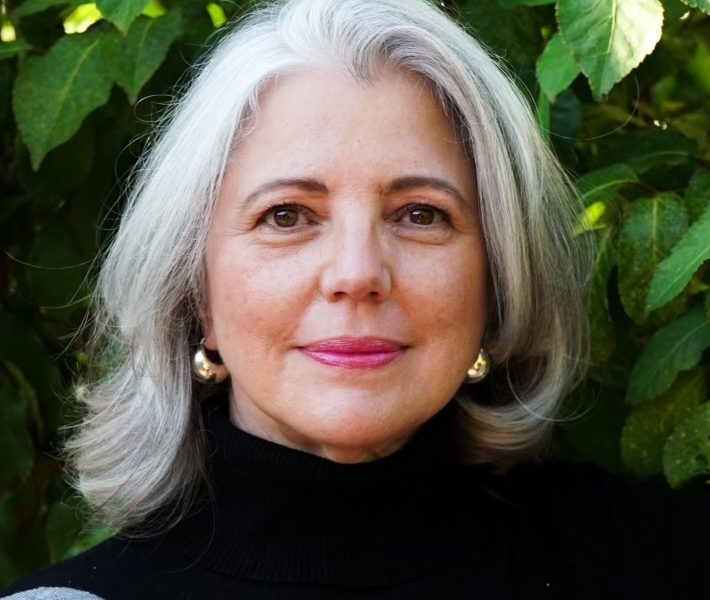
Mirta Ojito on “Deeper than the Ocean”
“I gave her my love for Spain, and particularly the north of Spain, and particularly the city of Santander. And I gave her my fears. I too, fear the ocean.”


-

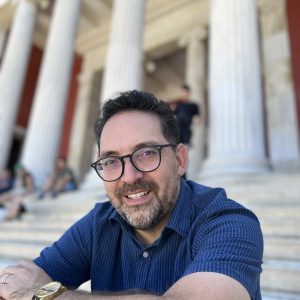
Etherized: Anne Enright in Conversation with Paige Reynolds
“There is a kind of moment of doom when you commit to a character. Because none of my characters are lovely.”
-

Melissa Lozada-Oliva on “Candelaria”
“I wanted to explore miscommunications between families, and I wanted to explore how deep sisterly love really goes.”
-

Overtaken by Awe: Sheila Heti speaks with Sunny Yudkoff
“When you call a book ‘autofiction,’ you released yourself from the responsibility of actually looking at what the book is doing.”
-

Attention is Love: A Discussion with Lauren Groff and Laura McGrath
“I wanted to make nature a source of conflict, but also a source of joy and beauty and wonder and delight.”
-

“We All Relate to Each Other’s Dystopias”: Shehan Karunatilaka and Sangeeta Ray
“Seven Moons” makes space for the cacophony of ghostly voices of those killed and disappeared in Sri Lanka’s long civil war.
-
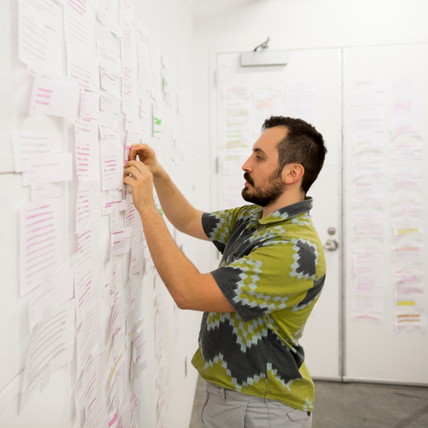
Narrative, Database, Archive: Tom Comitta and Deidre Lynch
“How I made the book determined the story that was created … Once you have enough of something, a narrative can emerge.”
-

What Would Undo the Maxim Gun? Magic: P. Djèlí Clark and andré carrington
“You need your heroes to have flaws.”
-

Desolation Tries to Colonize You: Jeff VanderMeer and Alison Sperling
“Weird fiction is unusual, too, in how the unknown may be both horrific and incredibly beautiful.”
-
Weirding Out with Kate Marshall
In the intro to season 6 of Novel Dialogue, Kate Marshall gets weird: “I was looking at writers who were considering themselves part of a new weird, and I wanted to ask what the old weird was, and so I started looking.”
-

Ingrid Rojas Contreras on “The Man Who Could Move Clouds”
“I realized that if I was going to write a story about healers, I also had to write a story about healing.”
-
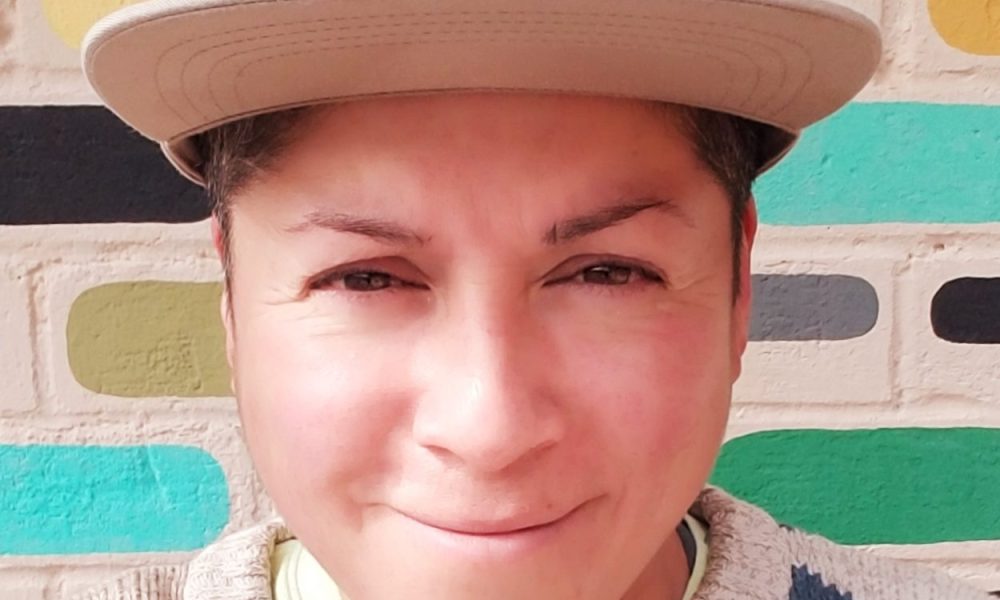
Raquel Gutiérrez on “Brown Neon: Essays”
“Arts, writing, journalism—these things are born from our passions … this thing that is our weak spot.”
-
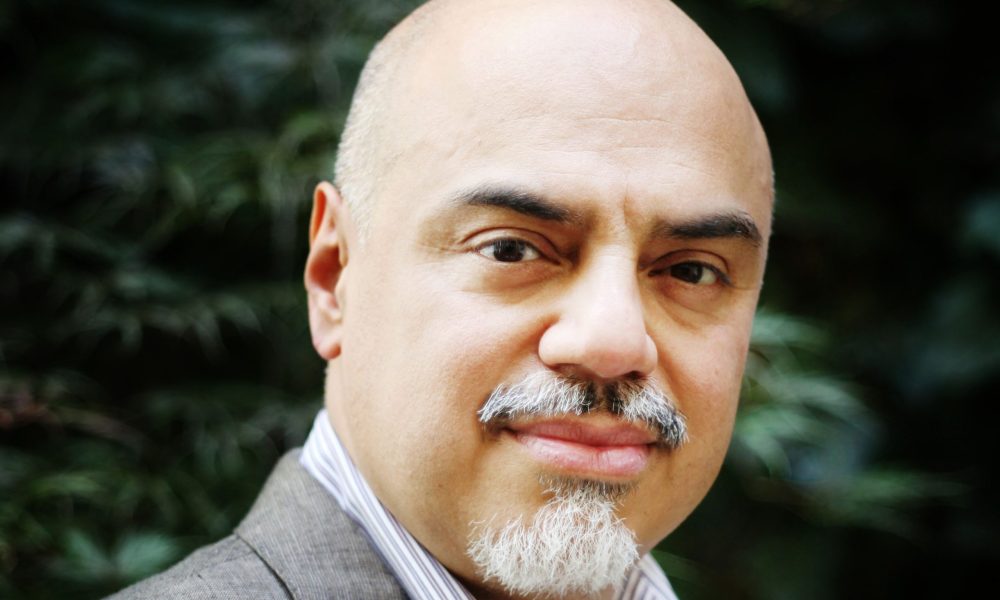
Héctor Tobar on “Our Migrant Souls: A Meditation on Race and the Meanings and Myths of ‘Latino’”
“One of the things that helps define Latino identity is this sense of having a history but also not knowing the history.”
-

A Forensic Level of Honesty: Aminatta Forna and Nicole Rizzuto
“There came a point in my life … where I realized that almost every narrative, whatever it came from, that dealt with an African country was pretty much a rewriting of ‘Heart of Darkness.’”
-

They’re Not Metaphorical Demons: Mariana Enríquez and Magalí Armillas-Tiseyra
“As a horror trope, the child is always scary. It turns our notions of purity, innocence, violence, upside down.”
-
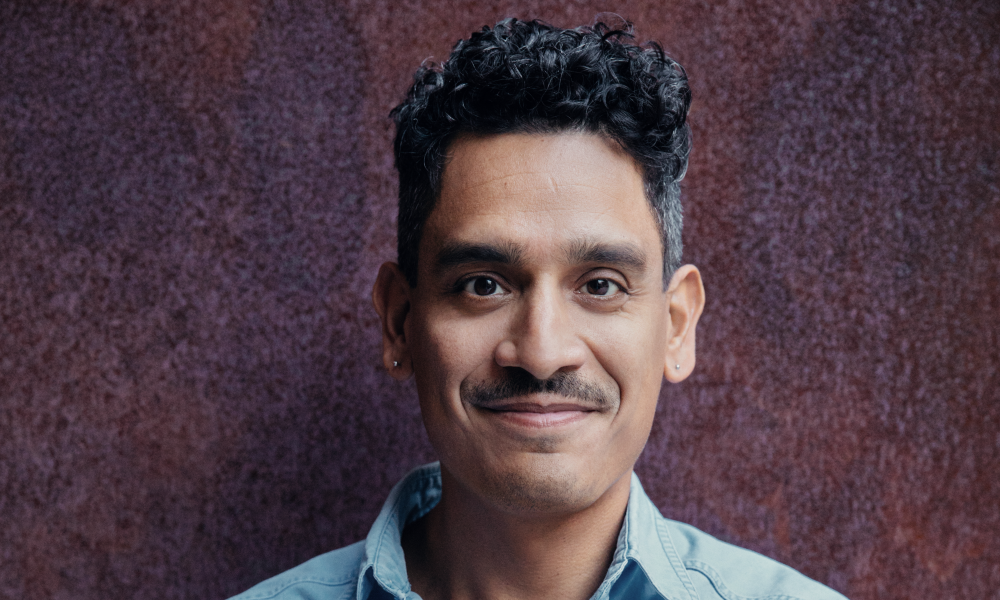
Alejandro Varela on “The Town of Babylon” and “The People Who Report More Stress”
Writing Latinos, from Public Books, features interviews with Latino (a/x/e) authors discussing their books and how their writing contributes to the ever-changing conversation about the meanings of latinidad. In this episode, you’ll hear our interview with Alejandro Varela about his books The Town of Babylon and The People Who Report More Stress, both published by…
-

“The Meat and Bones of Life”: Erika T. Wurth and Leif Sorensen
“I’m not a political scientist. I didn’t major in Native American studies. I’m a doctor of metaphors.”
-
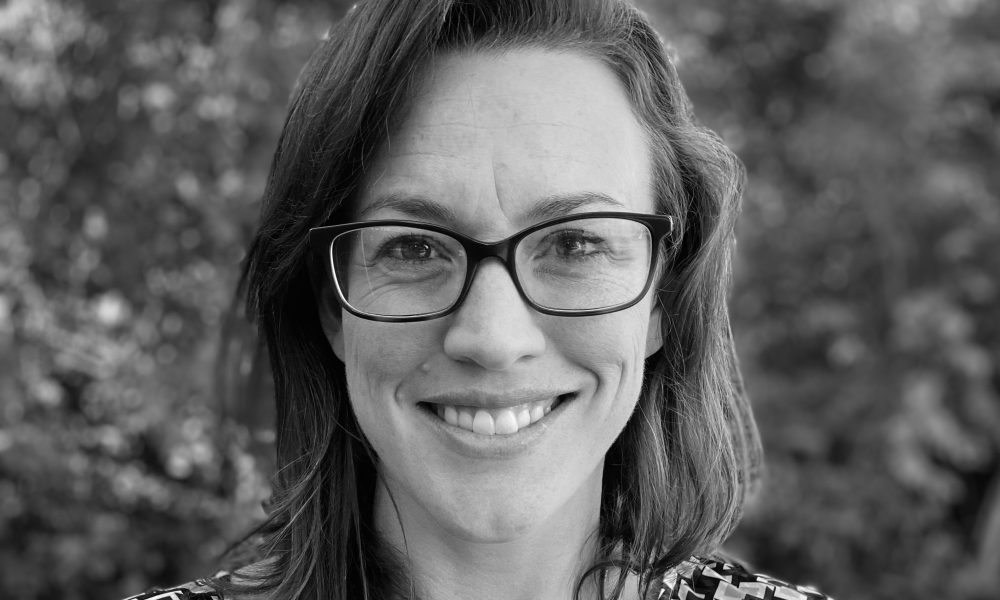
Sarah M. Quesada on “The African Heritage of Caribbean and Latinx Literature”
“This is a book that explores how African history—political history, cultural history, literary history—weighs and therefore haunts some of the stories that we tell ourselves about latinidad.”
-

It’s on the Illabus: Jean-Christophe Cloutier and John Jennings
“Everything in the comic has to be thought about from front cover to end … How are you going to use all the secret resources of comics?”
-

Edgar Gomez on “High-Risk Homosexual”
In this latest episode of the Writing Latinos podcast, we talk about machismo, cockfighting, reconciling with parents, the Pulse nightclub shooting, bilingualism in contemporary literature, and the “messiness” of latinidad.
-
Writing the Counter-Book: Joshua Cohen with Eugene Sheppard
“I was exorcising, if not the anxiety of influence, then the accusations of the anxiety of influence, and also issuing somewhat of a corrective.”