Being reviewed:
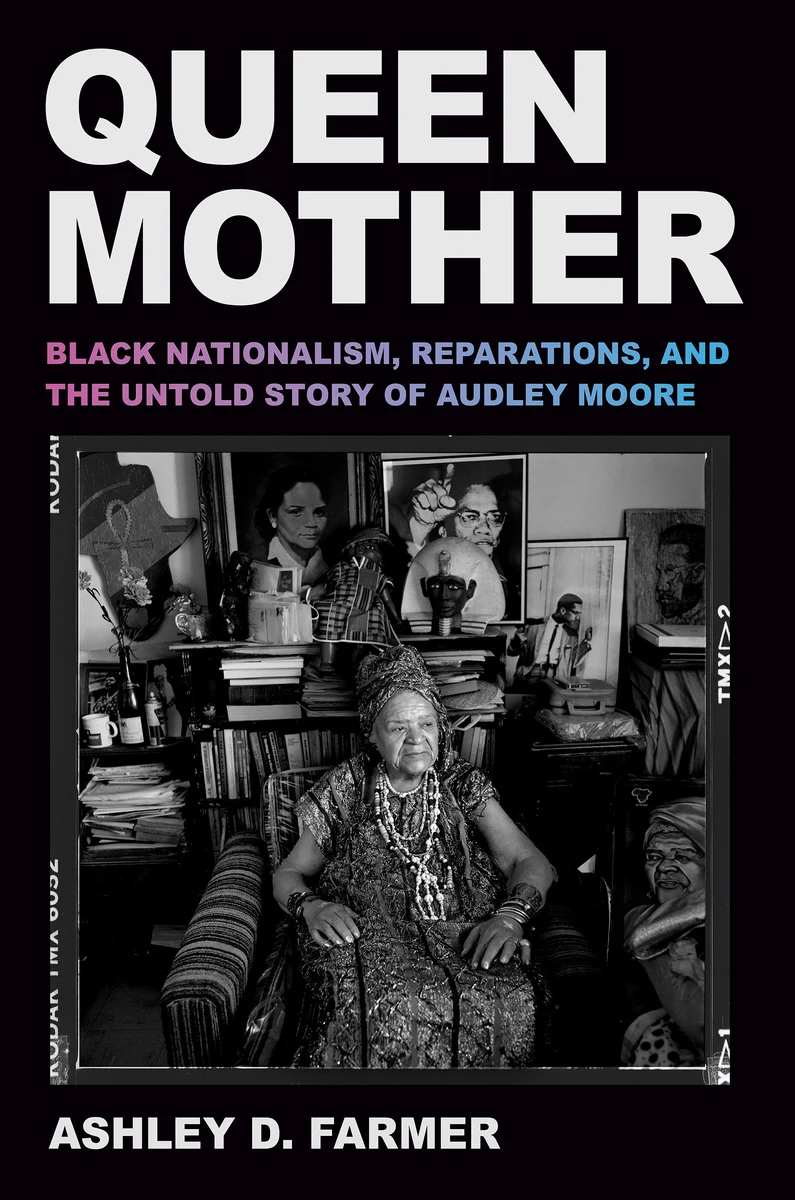
Queen Mother: Black Nationalism, Reparations, and the Untold Story of Audley Moore
Natural Connection Six Roots of Environmental Wisdom and Action

Advertisement
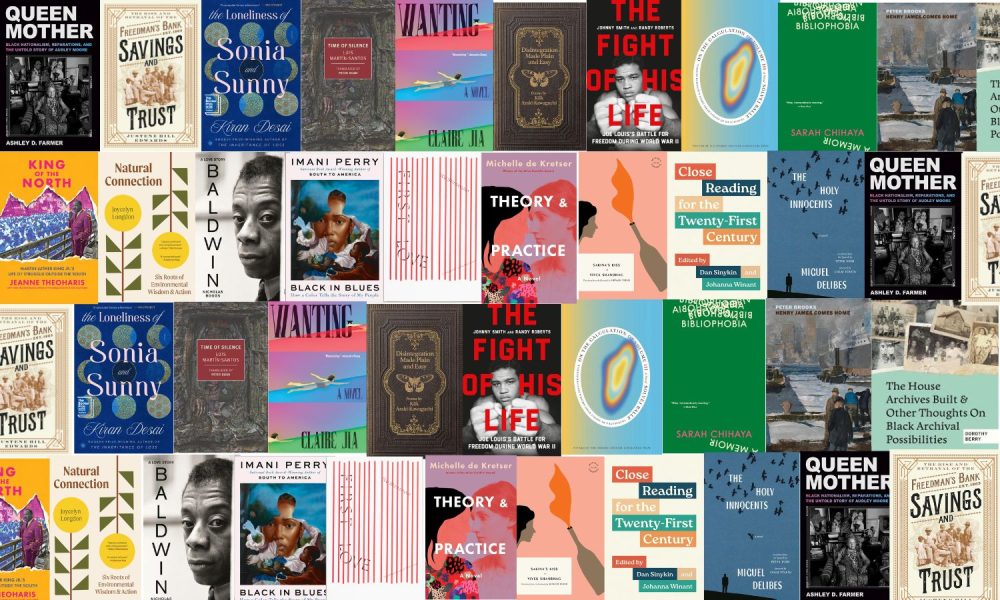
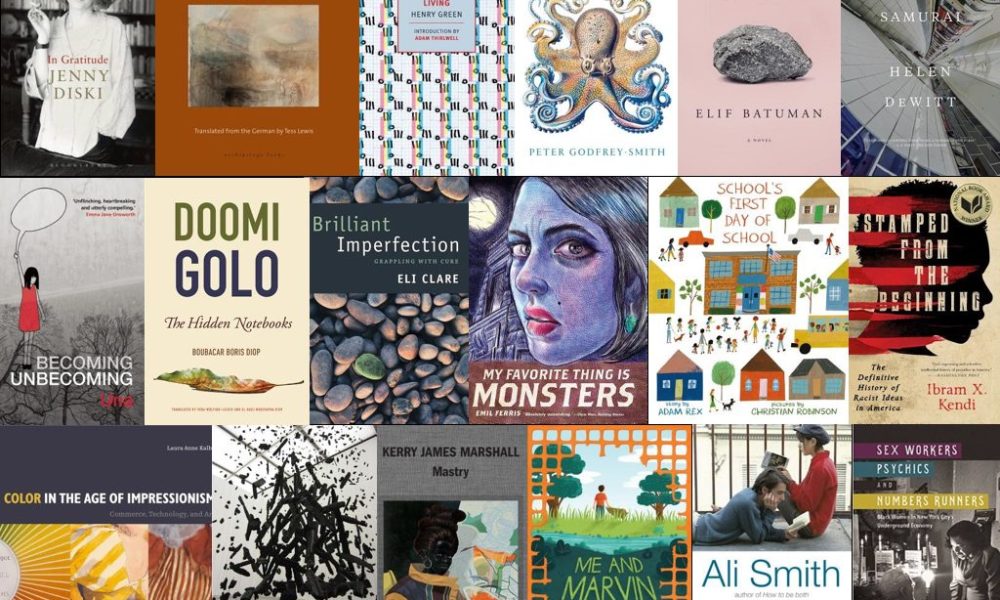
What were the books of 2025 that dazzled, challenged, and inspired us? For this, the 13th-annual edition of Public Picks, section editors for Global Black History, Literary Fiction, Print/Screen, Literature in Translation, Sports, and Culture Industries; the series editors for B-Sides and Public Streets; and our managing editor, a contributing editor, and one of our editors in chief tell us about their favorites. Take a look back on 2025 with one of these Public Books Public Picks!
MEgan cumminS
managing eDITOR
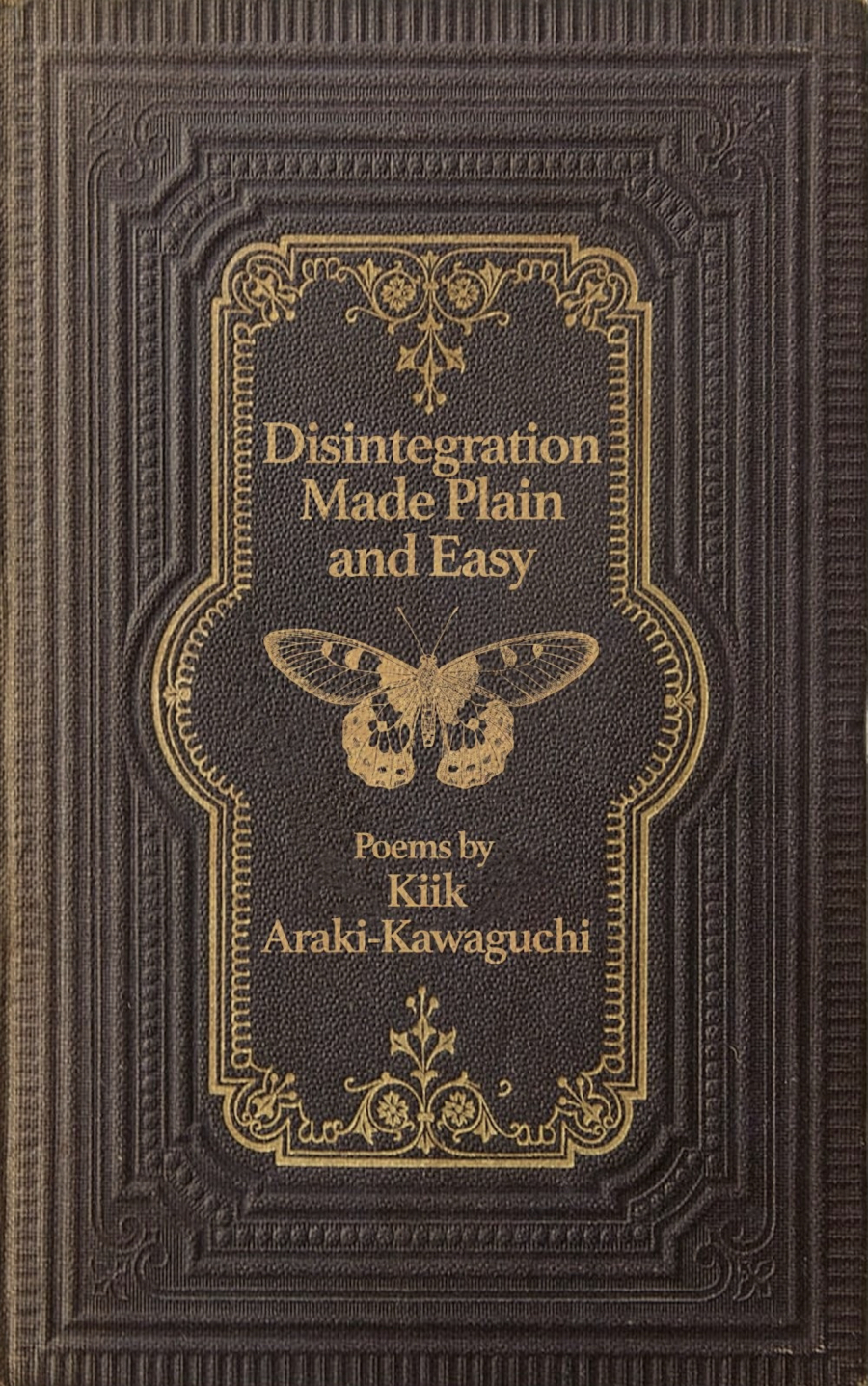
Disintegration Made Plain and Easy by Kiik Araki-Kawaguchi. The inaugural title of the brand-new Piżama Press, this slim collection of poetry is a small package of hope in 2025. Arts funding is evaporating and each day brings something new to fear, but there are still editors such as Benjamin Niespodziany who have a vision for a press, and who make it happen. And lucky for me because I’ve been a fan of Araki-Kawaguchi’s work since I first read it more than 15 years ago. A self-serious reader and writer like myself needs to be reminded not to be so literal all the time, and Araki-Kawaguchi’s absurdist humor always give me a reality check. (“Kiik’s brain is an endangered species,” says Brandon Shimoda in his blurb.) In this collection, a gut-punch passage like this one—“We try to keep the children near / But they leap they are cast / We cannot have them back”—mingle with gut-busters like “I too do not like a party / Too childreny / When a party is childreny / The drinking songs are all fucking wrong.” Disintegration Made Plain and Easy is like taking a walk through a pleasant field while being chased by bees (a motif in the book), and it’s so full of meaning-making in the face of death that it might be the most existential book I’ve read in a long time.
NICHOLAS DAMES
eDITOR IN CHIEF
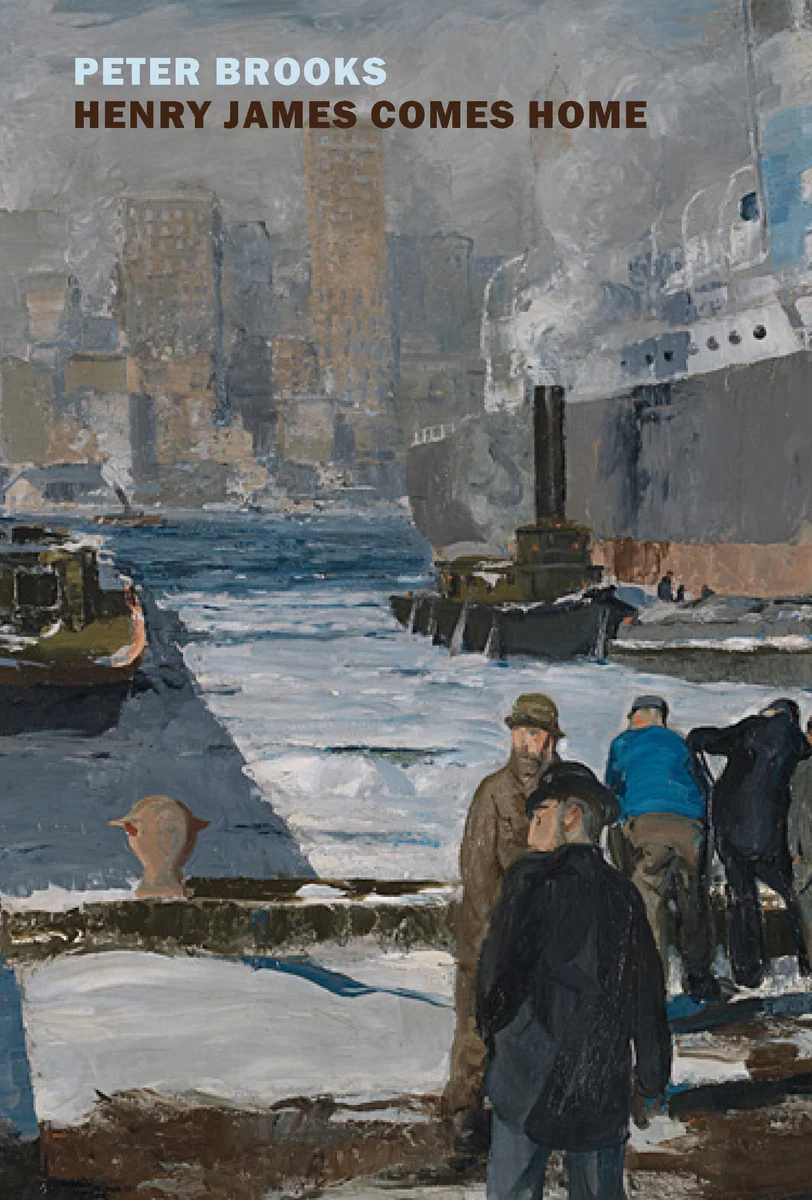
Henry James Comes Home by Peter Brooks. An acute, elegant, and at times very funny—while also poignant—study of incongruity. In 1904, Henry James, just past sixty, returned to the US after more than twenty years away on a journey at once sentimental and profit-seeking, looking to drum up observations for what would become his somewhat dyspeptic cultural-reportage-as-travel-book The American Scene. Brooks takes us almost day by day on James’ itinerary, to the Yiddish theaters on the Bowery, Ladies’ Clubs in Midwestern towns, transcontinental Pullman cars, and Californian beach hotels where James stopped, a figure bewildered and, to his hosts, bewildering. The companion to Brooks’ 2018 Henry James Goes to Paris, this book is much less full of intellectual awakening and much more about the guarded, anxious mind of an older man encountering an alien future that has already started to erase his past and whose fruition he won’t live to see—yet a mind also, every once in a while, wrongfooted by unexpected pleasures.
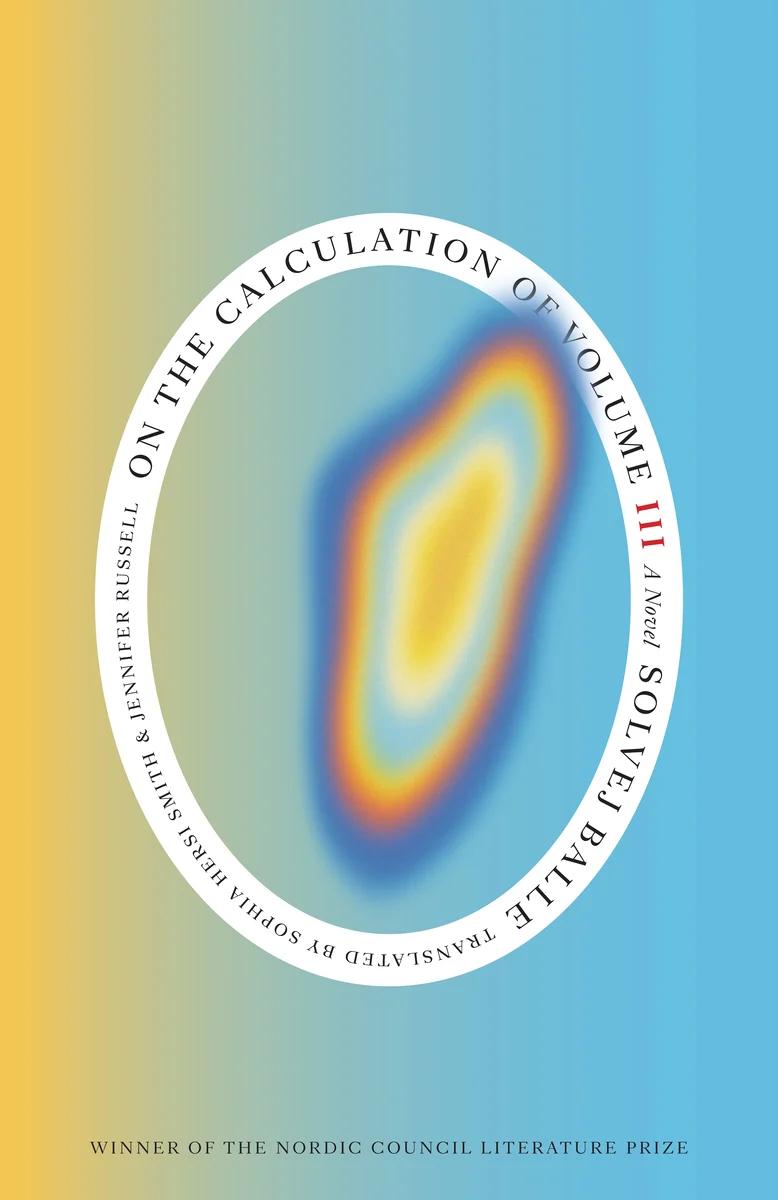
On the Calculation of Volume III by Solvej Balle, translated by Sophia Hersi Smith and Jennifer Russell. Balle’s celebrated time-loop series—about the fate of a woman trapped in a given November 18, while the rest of the world, including her husband, continues to live in linear time—radiates allegorical energy; it just feels right for the current moment’s “yet again but worse” claustrophobia. But the marvel of what Balle does is somewhat more technical, actually, which is to reinvent, with each installment, how to tell the story of a day that won’t stop repeating. Here, Balle gives her temporally-trapped protagonist some company, once again rewriting the rules of how her world works while somehow keeping the governing idea intact. For such a concept-heavy set-up, though, this book, like its two earlier installments, is surprisingly light on its feet.
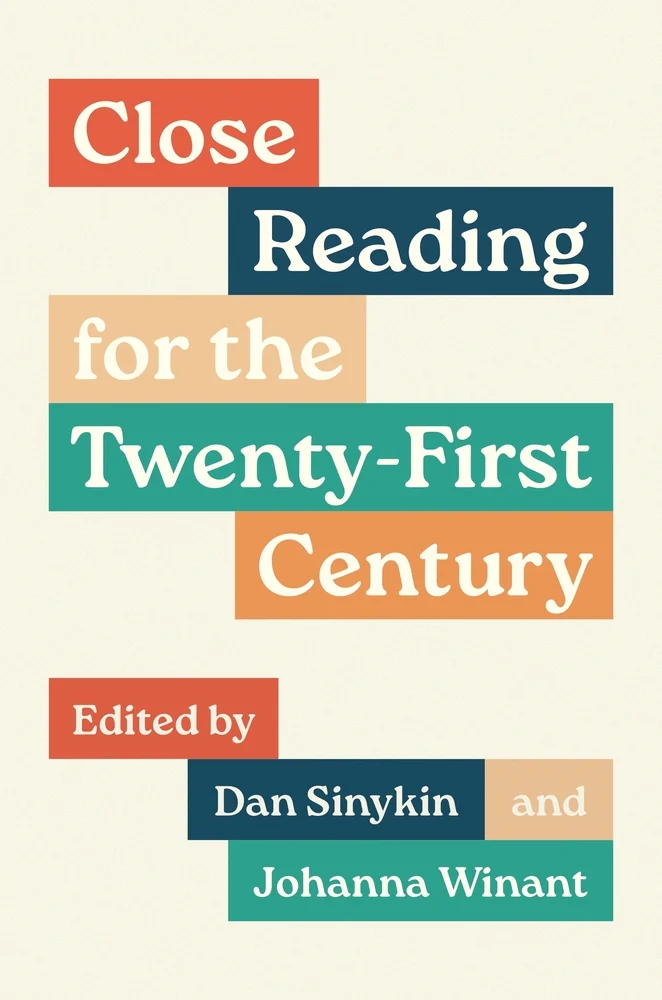
Close Reading for the Twenty-First Century, edited by Dan Sinykin and Johanna Winant. The anthology as tasting menu, offering up a series of small delights: younger scholars recounting a formative encounter with a close reading (memorable, masterful, brilliantly misguided) that continues to stick in their heads. A series of relays, then, between text (Woolf, Larsen, Austen, et. al.), close reader (Helen Vendler, Barbara Johnson, Lauren Berlant), and witness to that encounter. If it attempts to construct a how-to taxonomy of what close reading is, for me the book is even more a testament to how we fall for it in the first place—as thunderstruck, usually mute admirers watching someone else’s magic show, slowly coming to think, I could do that too.
marlene l. daut
global black history
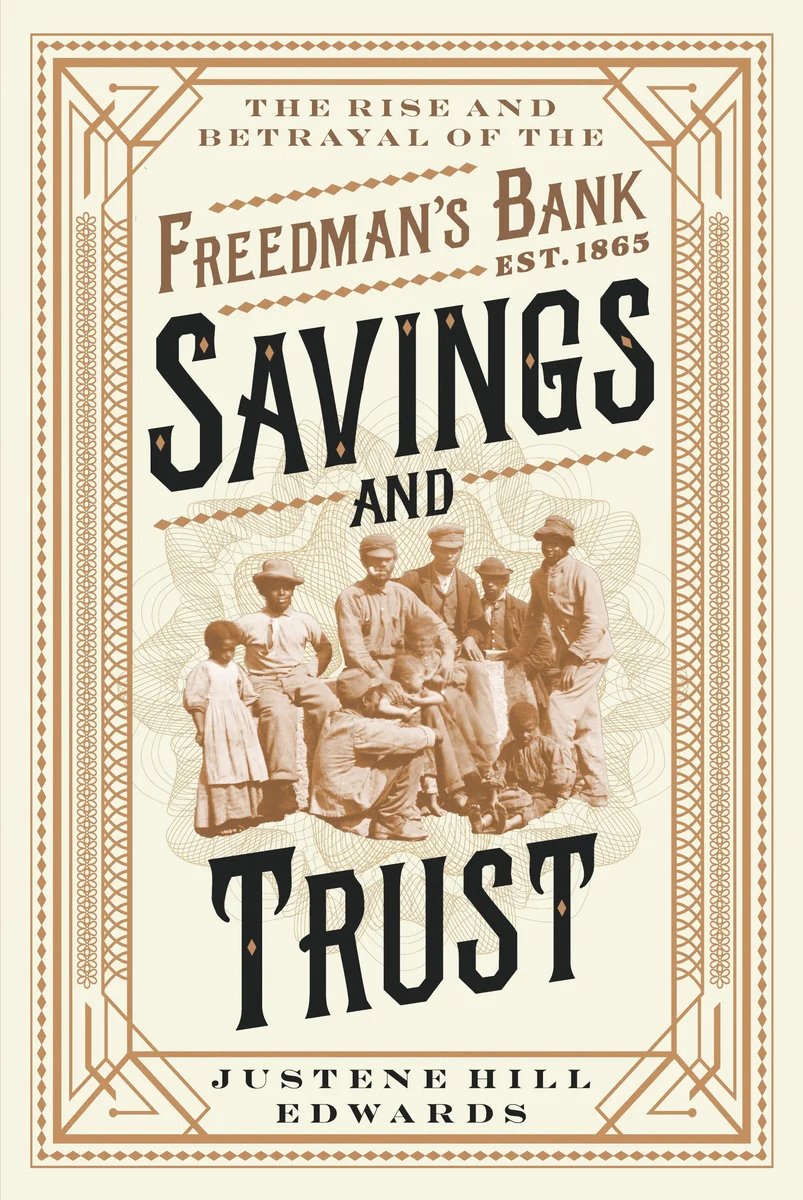
Savings and Trust: The Rise and Betrayal of the Freedman’s Bank by Justene Hill Edwards. This is an amazing book that tells a heartbreaking story. The US government originally established the Freedman’s Savings and Trust Company on March 3, 1865, at 1509 Pennsylvania Avenue, not far from, and indeed within sight of, both the White House and the Department of the Treasury. The purpose of the institution, usually referred to as the Freedman’s Bank, was to safeguard deposits from newly freed formerly enslaved individuals. UVA historian Justene Hill Edwards not only tells the sordid and tragic tale of how and why this bank met its demise less than ten years later, on June 29, 1874, but she catalogs with great archival precision and compelling on the edge-of-your-seat storytelling how the bank collapsed after allowing white people connected to the bank’s trustees to siphon the money of Black depositors through bad loans. The bank, in turn, barred the Black depositors from borrowing money from the very bank that their funds were sustaining. The result was in some ways predictable. Shortly after appointing the famous Black abolitionist, author, diplomat, and orator Frederick Douglass as the bank’s president (by this time, the white trustees already knew the bank would fail), the Freedman’s Bank closed its doors. This closure left 61,144 Black depositors without access to the nearly 3 million dollars to which they were entitled. Hill’s book explains for the first time the devastating effect of this plunder on those depositors. However, even more importantly, she forcefully shows how the extraction and then theft of Black people’s funds by a group of wealthy white Americans stands as “one of the origins of America’s racial wealth gap.”
Queen Mother: Black Nationalism, Reparations, and the Untold Story of Audley Moore by Ashley D. Farmer. This is a crucial biography of Audley Moore, the largely forgotten Louisiana-born Black Nationalist who founded the modern reparations movement. Weaving together archival remnants scattered across the globe, Farmer turns a fragmented historical record—what many others had previously deemed “a pile [of] flotsam and jetsam”—into a remarkably compelling chronicle of the genesis of US Black arguments and justifications for reparations for slavery. We follow Audley Moore as her path crosses (often in collaboration with, but sometimes in opposition to) some of the most famous Black writers, activists, and intellectuals of her era, including Marcus Garvey (indeed, Moore considered herself a lifelong Garveyite), Claudia Jones, Henrietta Vinton Davis, Walter White, and Malcom X. Yet the crux of Queen Mother, and the best proof of Moore’s contemporary importance, resides in Farmer’s resurrection of Moore’s 1963 magnum opus, Why Reparations?, subtitled “Reparations is the battle cry for the economic and social freedom of more than 25 million descendants of American slaves.” Calling out the United States’s hypocritical role in championing the Universal Declaration of Human Rights, ratified in 1948, Moore wrote, “After 244 years of free slave labor and the most inhuman, sinister and barbaric atrocities which pass in magnitude any savagery perpetuated against human beings in the history of the planet, the [Reparations] Committee is seeking Reparations for the descendants of America’s Slaves.” In the end, with this book, Farmer soundly rejects all previous attempts, from whichever corner they may have emanated, to downplay, dismiss, or erase the legacy of the woman who she convincingly argues “midwifed Black Nationalism.”

Tao Leigh Goffe
Global Black History
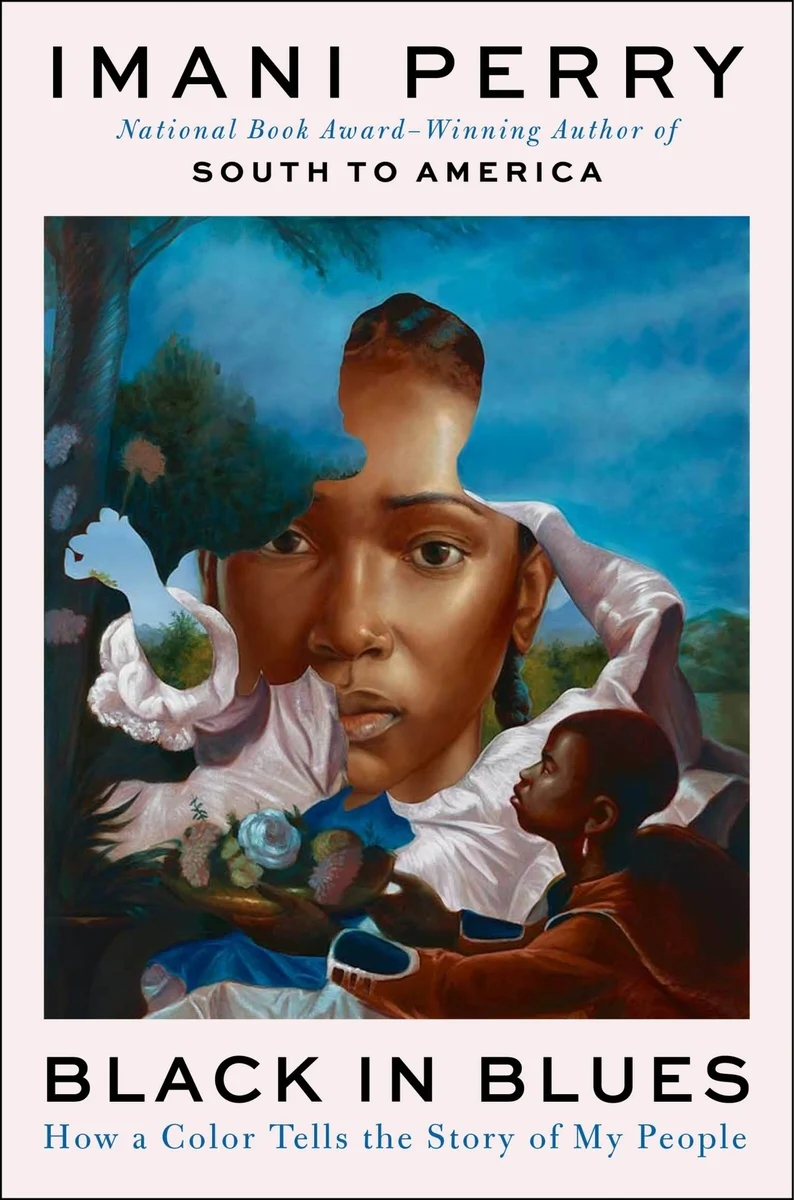
Black in Blues: How a Color Tells the Story of My People by Imani Perry. In the spiritual follow up to South to America, National Book Award winner and Harvard Professor Imani Perry uses the pigment blue as a poetic methodology. While its associations through music have been famously sung in 1929 by Louis Armstrong who asked, “(What did I do to be so) black and blue?” Perry acknowledges the contusions of anti-black violence and vibrancy of the black radical tradition, but focuses her pen in a personal register. Born in Birmingham, Alabama, she is led by the sonic tradition of the blues people but offers something profoundly new and poignant in her meditation which travels across disciplines and the globe and Black diaspora. From architectural diagrams to George Washington Carver to Liberia to Martinque, blue becomes a wavelength of energy perspicaciously observed through art historical examples and across music history to form an originally American commentary beyond the melancholic.
With short precise chapters that dance towards an elegiac ending and memorial, Perry provides a masterclass in deft and delicate storytelling which draws on how the historical is the personal. As she shows, it is more personal for some of us than other because of the hue of our skin, though everyone is implicated and involved. The power of the book is that it does not see the epidermal question as a limit, but in the way that only a literary scholar could Perry shows us the meaning of metaphor. She embraces blue blackness as something more than an ethnographic descriptor or a dangerous stereotype. Perry tells the story of the blue jay, birds born black who become blue as they age. These moments made it a personal favorite of mine to teach this year in a class entitled “Black and Indigenous Ecologies and Technologies.”
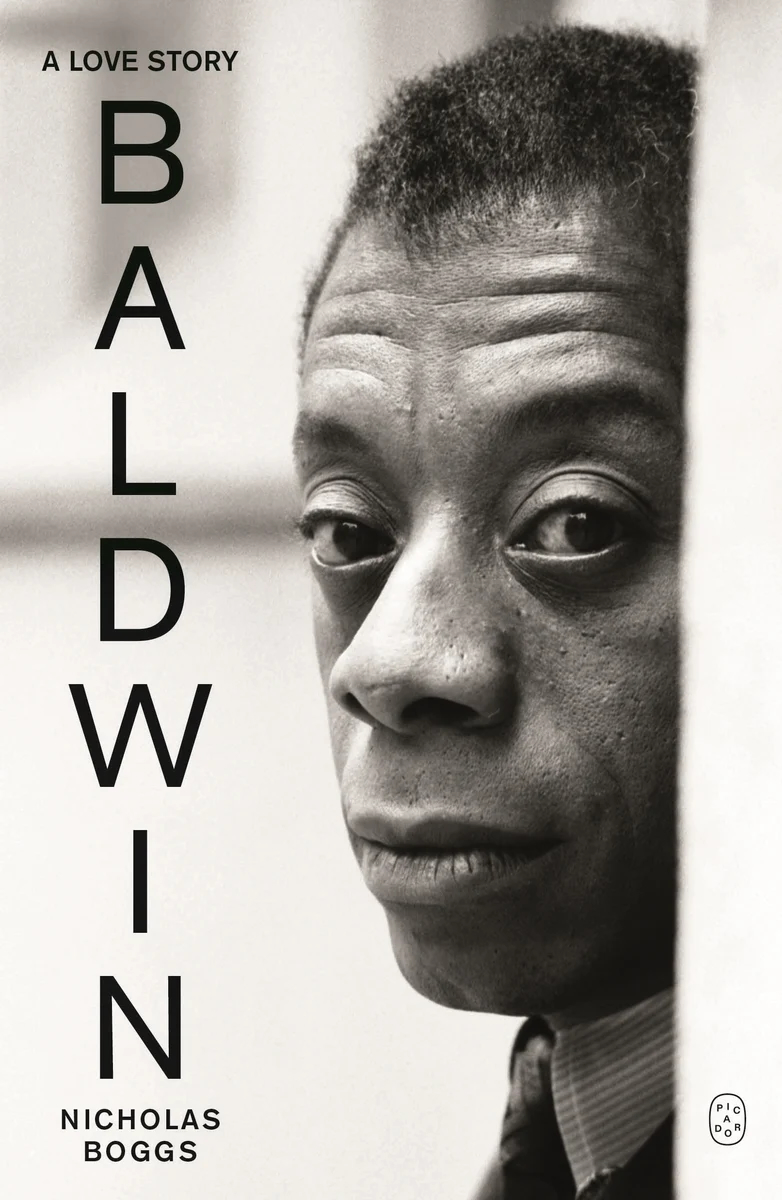
Baldwin: A Love Story by Nicholas Boggs. The 720-page biography magically leaves the reader wanting more, not to mention imagining the biopic for James Baldwin anew. The deeply archival study is written by Nicholas Boggs, who first read Baldwin’s Little Man, Little Man, a story of childhood, in 1996 at the Beinecke as research for his senior thesis at Yale. He provides a stunning portrait of the author not simply in exile but in context of the contours of global black thought from Turkey to France to Switzerland. In an era colored by the rampant violence of Jim Crow and homophobia, where hate could so easily be the focus or anchor, Nicholas Boggs chooses to tell the story of one of the most famous African American writers today through love as a method of knowing. It begins with his mentor, the Black American painter Beauford Delaney, followed by with his lover and muse, the Swiss painter Lucien Happersberger, and his time in Turkey with the famous actor Engin Cezzar and the iconoclastic French artist Yoran Cazac.
Boggs offers a new methodology that shifts the genre of the intimate to include the textures of one’s intimates, the traces left behind in those lives and encounters. In so doing, he portrays a prism of masculinities, desperately needed in this current political crisis of what is masculine, diverse, equitable, and inclusive. One will now wonder why other biographers haven’t deferred more to those who knew the subject most intimately, their lovers and loved ones. With the last major biography of Baldwin being published in the 1990s, Boggs shift Black queer literary history with the tenderness the mainstream United States certainly never had for him when he was alive. The rigor of each page is in itself an act of intergenerational and interracial love, a fitting ode, in a world where Baldwin has become so flattened by decontextualized, deracinated quotes on social media.
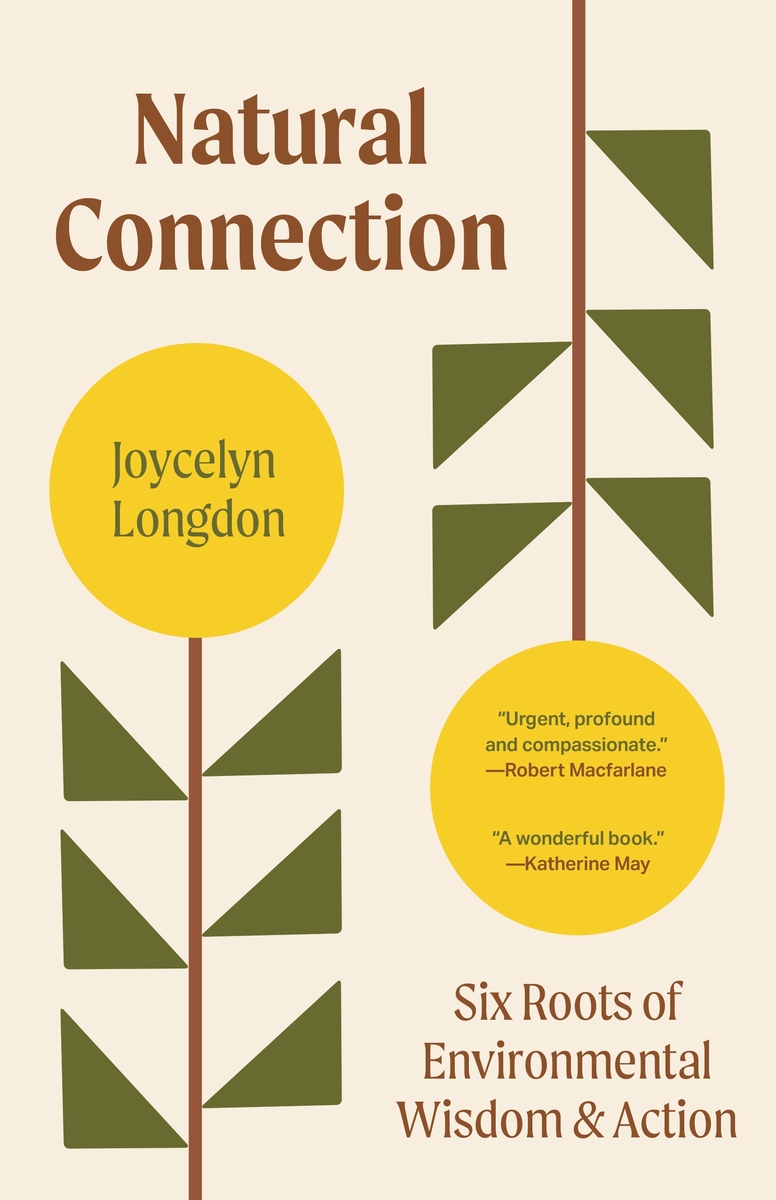
Natural Connection: Six Roots of Environmental Wisdom and Action by environmentalist and founder of the organization ClimateinColour in the UK Joycelyn Longdon introduces us to her global worldview that embraces technological advances and ecological conservation. Informed by pursuing a PhD at Cambridge and field research in Ghana, she has a shrewd perspective on what is truly generative when it comes to climate crisis debates. Longdon’s approach is not only refreshing but resounding because she amplifies the affect of the Global Majority despite what the ecological devastation they have seen- hope. The London-born environmental justice activist centers her creative practice as a bioacoustics researcher. Divided into six sections, she asks the reader to redefine the follow key terms: Rage, Imagination, Innovation, Theory, Healing, Care. Longdon introduces the reader to her lens as a Black woman environmentalist living in the West – part of the Ghanaian diaspora in the UK. She guides the reader through case studies ranging from her native UK to Nigeria to Brazil to India. Her aim is transformation, which she sees as an inclusive process that everyone craves. She believes everyone desires to be more connected to the natural world.
Longdon rejects the paternalistic and romanticized for a natural and lived environmentalism to which many Indigenous and marginalized people are no stranger. She demonstrates this through a series of conversations recorded over the years featuring her interlocuters, Robert Macfarlane, Adenike Oladosu, Julia Watson, Miranda Lowe, Katherine May, Báy. Akómoláfé, and Rebecca Solnit. Pressing questions which she does not provide answers to because that was never the point. Citing other thinkers, she quotes a series of poetic questions to offer a sense of what she calls “rooted hope.” Does a glacier mourn its death? Is the river alive? (How) will technology save the planet? What if we can? Acknowledging our collective grief and making new connections, new kin, is necessary, she argues, in order for a new world to be born.
The House Archives Built by Dorothy Berry. A vital voice of a new generation who holds dear the mastery of archival rigor, Dorothy Berry is the Digital Curator for the Smithsonian National Museum of African American History and Culture. Before this she held the position inaugural Digital Collections Program Manager at Houghton Library, Harvard University. Her resume is important because it speaks to the labor of archiving, which informs her bold memoiristic manifesto. As I read it, the book is a finding aid for global black thought and thinkers to find themselves. Berry unabashedly takes on theory and admits to being an autodidact in it, whereas her credentials are in library science. She writes unapologetically as a Black archivist whose “mother is a nice Jewish lady from Brooklyn.” In a startling portrait circa 1880, the author divulges her family lore sharing with readers, the visage of her predecessor on the porch of the house he built. When she recounts her father reciting that he grew up in the house his great-grandparents built in 1873, the pride is palpable. It becomes something of a coda that is the substance of intergenerational love.
While everyone will undoubtedly find value in the way Berry emphasizes that archives are too often metaphorized today, it is core to her argument to explore these questions personally through myriad Black experiences. She begins with her own vernacular and familial archives. From the first page she reminds us that “the archive” is different from “archives” and not just by the quirk of grammar. There are also good reasons why some Black people, whose histories are often only preserved in archives as the footnotes to government policies and White peoples’ industry, have connected with an expansive idea of archives that allows for envisioning the past and future through memory and imagination.” Ultimately, Berry offers strategies not solutions or directives, like any good archivist or librarian would, because the only way through dusty archives is to follow their own path. The House Archives Built is experimental and hybrid in form, which captures the imagination and leaves the reader wanting more, the next installation. Archives are a matter of survival, they are not only techniques, but what papers, photographs, and other material effects survive us. Archives are literally remains, and so it is fitting that this book is elegiac for her father in that way.
Frank Andre Guridy
sports
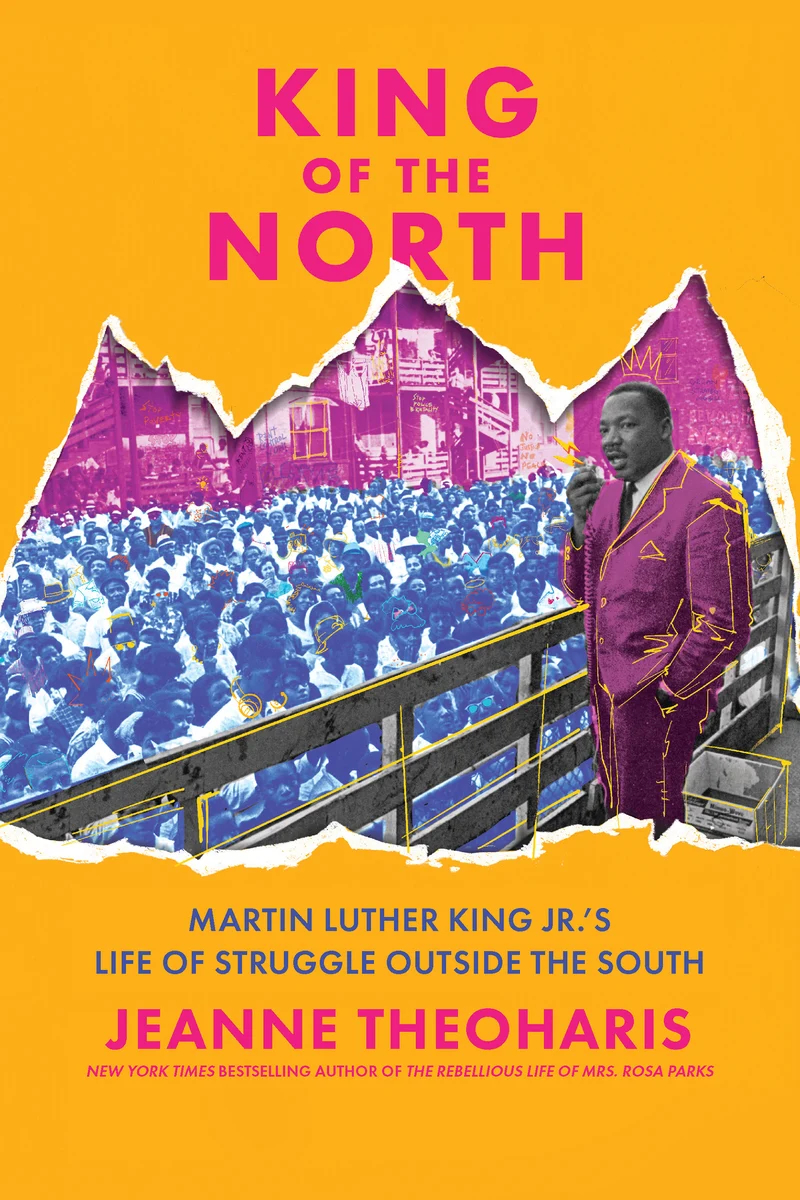
Jeanne Theoharis’s King of the North: Martin Luther King’s Life of Struggle Outside of the South tackles the many myths of Martin Luther King, Jr. to underscore how King’s, and Coretta Scott King’s experiences of Northern racism informed their vision of freedom. She addresses not only the standard whitewashed versions of King that memorialize him as a beloved American hero, but also the oft-told story that his views evolved from a liberal vision of desegregation and civil rights to a more radicalized internationalist politics toward the end of his life. In rich detail, Theoharis shows how King’s encounters with racism and the Black Freedom movement in the North informed his vision and activism throughout his life. Theoharis’s uncovering of rich material on King’s engagements with the Black Freedom movement in New York, Los Angeles, and Chicago is particularly revealing. The book exposes the limits and failures of liberalism in the past and present, reminding readers that social change has never happened without disruption. King of the North is a book that arrives right on time.
Tara k. menon
literary fiction
Sakina’s Kiss by Vivek Shanbhag translated from the Kannada by Srinath Perry. Ever since I first read Vivek Shanbag’s masterful *Ghachar Ghachar*, a tense, tight fable about the dark side of India’s economic boom, I’ve been desperate to read more of his fiction. But because I don’t read Kannada, and nothing else had been translated into English, I had to make do with telling everyone I know to read it. My hunger for more was finally sated this year when Srinath Perur gifted us a new translation. Sakina’s Kiss, Shanbag’s second novel to appear in English is longer, looser, and less perfectly crafted than his first, but it is characterized by the same unplaceable, unshakeable, unease. On the surface, this is a family drama about a bored and boring middle-class couple, their rebellious daughter with bold journalistic ambitions, and a couple of mysterious, sinister goons who claim to be her friends from college, really this is an incisive portrait of the shifting political fault lines of contemporary India. A novel to unsettle you.
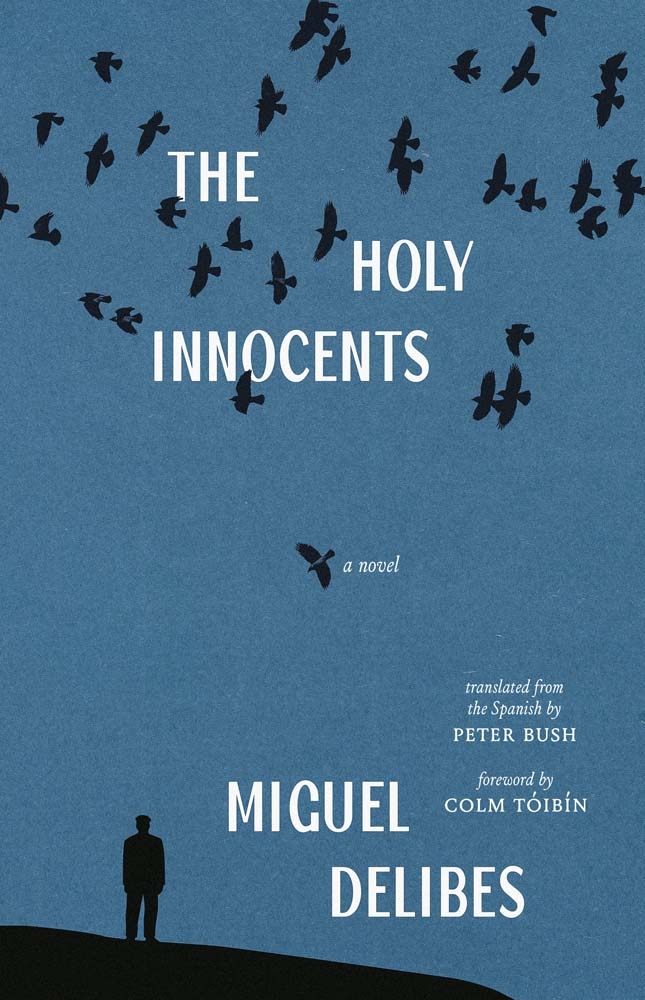
The Holy Innocents by Miguel Delibes, translated from the Spanish by Peter Bush. Lauded in Spain since its publication in 1981, Miguel Delibes’ slim, brutal novel is finally available to readers of English thanks to Peter Bush’s excellent translation. An unrelenting indictment of Franco’s reign, *The Holy Innocents* narrates daily life on a country estate where the rich lead lives of luxury while their servants struggle to survive. The story follows three workers: Regula, a woman who works as the gatekeeper; her husband Paco, who serves as a skilled, loyal hunting attendant to the cruel, pleasure-seeking senorito; and her brother, Azarias, a gentle, slow farmhand who tenderly cares for wild birds as well as his severely disabled young niece. When Paco gets injured on the job, gentle Azarias is forced to take his place helping the callous, hunting-obsessed young aristocrat kill the creatures he so loves. The narrative experimentalism—the six chapters are each a single sentence, devoid of punctuation—strip away distraction and focus the indictment of the dictatorship.
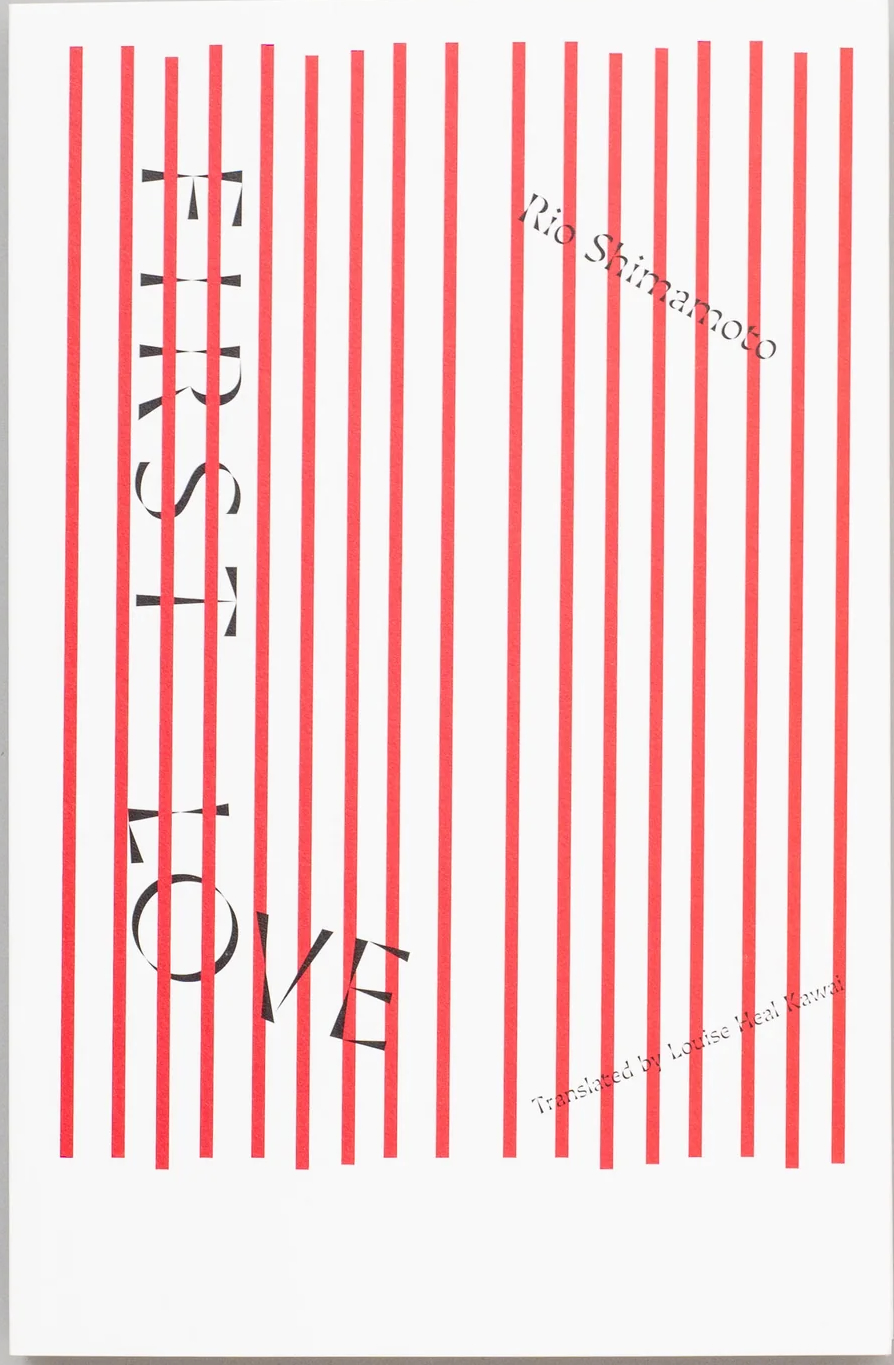
First Love by Rio Shimamato translated from the Japanese by Louisa Heal Kawai. A brilliant social and psychological study disguised as a morbid crime thriller. In Shimamato’s Naoki Prize winning novel, the quiet, beautiful Kanna is arrested for stabbing her father to death at his place of work. Shimamato’s protagonist is not Kanna but Yuki, a clinical psychologist who works with troubled children and has been commissioned to write a book about the case. The novel wastes little time on whether Kanna is guilty of patricide (she is) and instead examines, through a series of tense and fascinating conversations between the two women, what might have driven her to this sudden, seemingly out of nowhere act of violence.
JOHN PLOTZ
B-SIDES
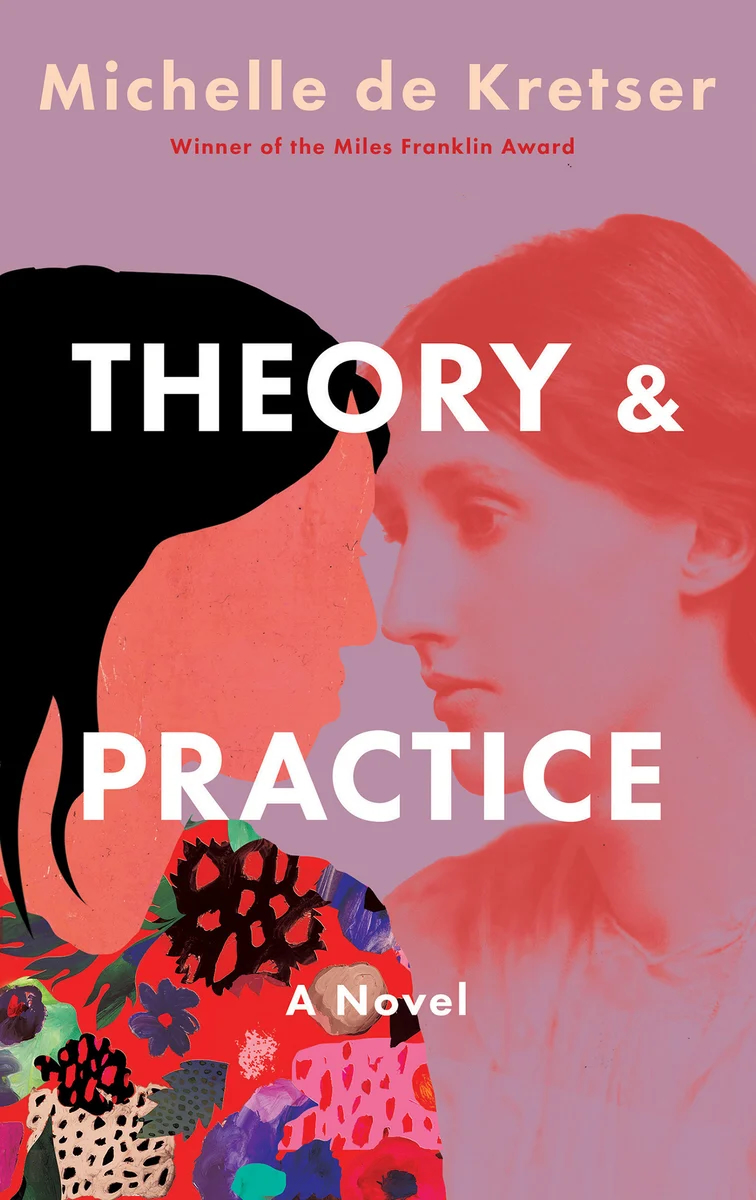
Even if alone in being unable to resist an academic novel—and am I?—I will never apologize for blissful hours spent with Theory & Practice by the brilliant Aussie Michelle De Kretser. (If your love for the genre is not as strong as mine you may prefer her equally revivifying The Lost Dog). Possibly I love it because it is about the 1986 moment high theory comes to the Melbourne: two feminist profs are overheard discussing a “‘recurring dream in which I axe-murder [my chair].’ … ‘Oh, I have that dream, too,’ said Paula’s friend. ‘Except I shoot him. I keep shooting, and he’s on the floor full of bullet holes but he still keeps talking.’” Or possibly because when its heroine (no, not just protagonist!) says, “Everything important that happened in that flat happened in my bed” she means putting down “Derrida, Irigaray, Kristeva, Cixous, Foucault, Lacan, Nietzsche, Deleuze, and Guattari” to “spen[d] evenings…rereading Woolf’s novels, all the while feeling guilty that I wasn’t reading Theory.”
Like my favorite Australian novelist Helen Garner, what I love most is the way De Kretser keeps returning to the swerve that opens up between the way we theorize our lives and the way we practice them. Readers can see what people think they want, and what they actually choose instead. Just like us.
leah price
Print/screen
Close Reading for the Twenty-First Century, edited by Dan Sinykin and Johanna Winant.Literary critics sometimes praise or blame close reading for being the bread-and-butter of our profession. Yes, it’s the thing that we all know how to do, but it might be more accurate to describe it as a granola bar for which we reach when nothing else comes to hand: our go-to, our failsafe, our default. The subject of endless high-theoretical method wars such as John Guillory’s On Close Reading as well as the glue of our classroom practice, close reading has finally found its middle ground analysis in Joanna Winant and Dan Sinykin’s delightfully irreverent handbook, where activities to unstick a seminar discussion do double duty as methodological provocation. On my desk right now I plan a syllabus, this concise but bottomless volume will live on my bedside to dispel the nightmare that all the interesting close readings have already been done.
BÉCQUER SEGUÍN
literaTURE IN TRANSLATION & SPORTS
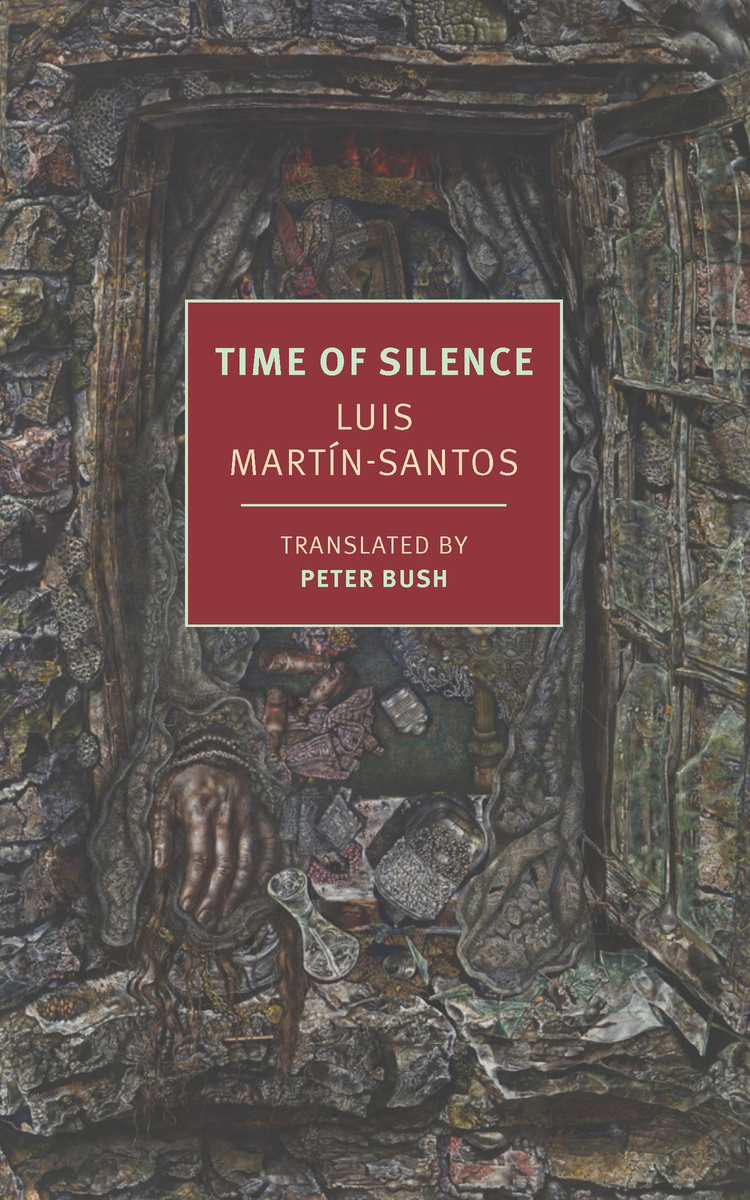
Time of Silence by Luis Martín-Santos, translated from the Spanish by Peter Bush. Each failure fails in their own way. This could easily be the tagline for Luis Martín-Santos’s Time of Silence, which came out earlier this year from NYRB Classics in an excellent new translation by Peter Bush, one of the best practitioners of the craft. Published in 1961, this Joycean novel narrates a number of interwoven failures within the span of a couple days, or a couple hours: the failure to save a woman from bleeding to death from an abortion, the failure to prevent another woman from being stabbed to death by a lover, the failure to achieve the eminently achievable goal of becoming a cancer researcher. The protagonist of the novel, Pedro, seems to fail at just about everything. Yet the most tragic failure in the novel is that of an entire country, namely, its unwillingness to address its postwar economic and political failures. We see these failures first-hand as Pedro crosses the checkerboard of Madrid’s social rubble and high society on his way from one individual failure to another. A physician himself, Martín-Santos is part of a curious tradition of Spanish physicians-turned-writers, such as Pío Baroja and Gregorio Marañón. He was not a failure so much as a tragedy: at age thirty-nine, just two years after publishing this modern classic, he died in a car accident. He may well be this tradition’s James Dean.
DaN sinykin
culture industries
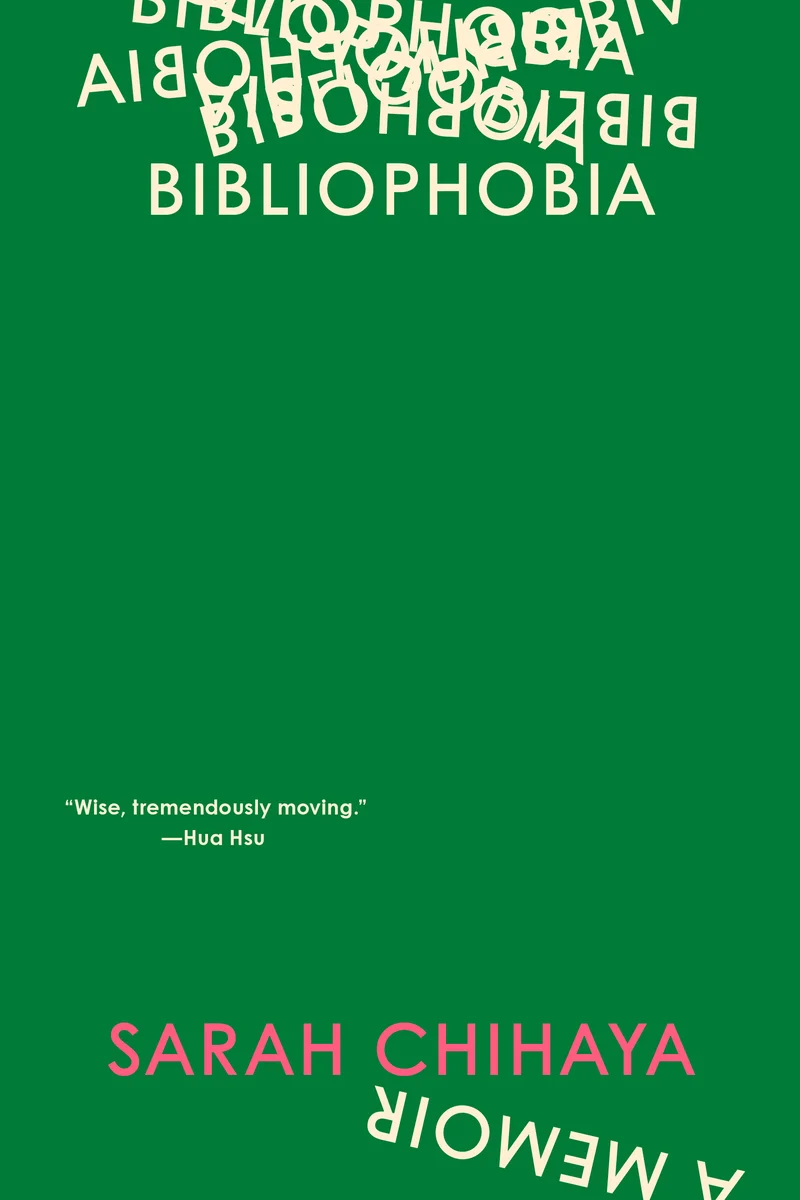
Bibliophobia by Sarah Chihaya. “Now and then there are readings,” writes A. S. Byatt in Possession, “that make the hairs on the neck, the non-existent pelt, stand on end and tremble…—readings when the knowledge that we shall know the writing differently or better or satisfactorily runs ahead of any capacity to say what we know, or how.”
These words, this novel, made a young Sarah Chihaya swoon. It compelled her to “reread certain passages at a word-by-word crawl.” She recounts the affair in Bibliophobia, her memoir about being overtaken, destroyed, and resurrected by books. Possession taught her that close reading is at once about knowledge, sometimes hermetic, and about creating your own art out of another’s.
But knowing, or the pretense of knowing, can be an obstacle to clear sight. As Chihaya got older, went to graduate school, took a tenure-track job, she became, was directed to become, a professional reader, and what began as a romance of discovery turned into a nightmare of unbearable expectations. Bibliophobia narrates her breakdown, followed by her inability to read. Eventually, a friend recommends she try Helen DeWitt’s, The Last Samurai. It works, it teaches her to read again, maybe, in a way, for the first time. “For years,” she writes, “opening a new book had felt more and more like a room I suspected to be full of punishing traps. I had been afraid even to step over the threshold of a book, because I didn’t trust my own instincts.” She knew too much, and not enough. She had to let go of the expectations that had colonized her mind. She draws a metaphor from DeWitt’s novel. “A good samurai will parry the blow.”
Abigail struhl
Public streets
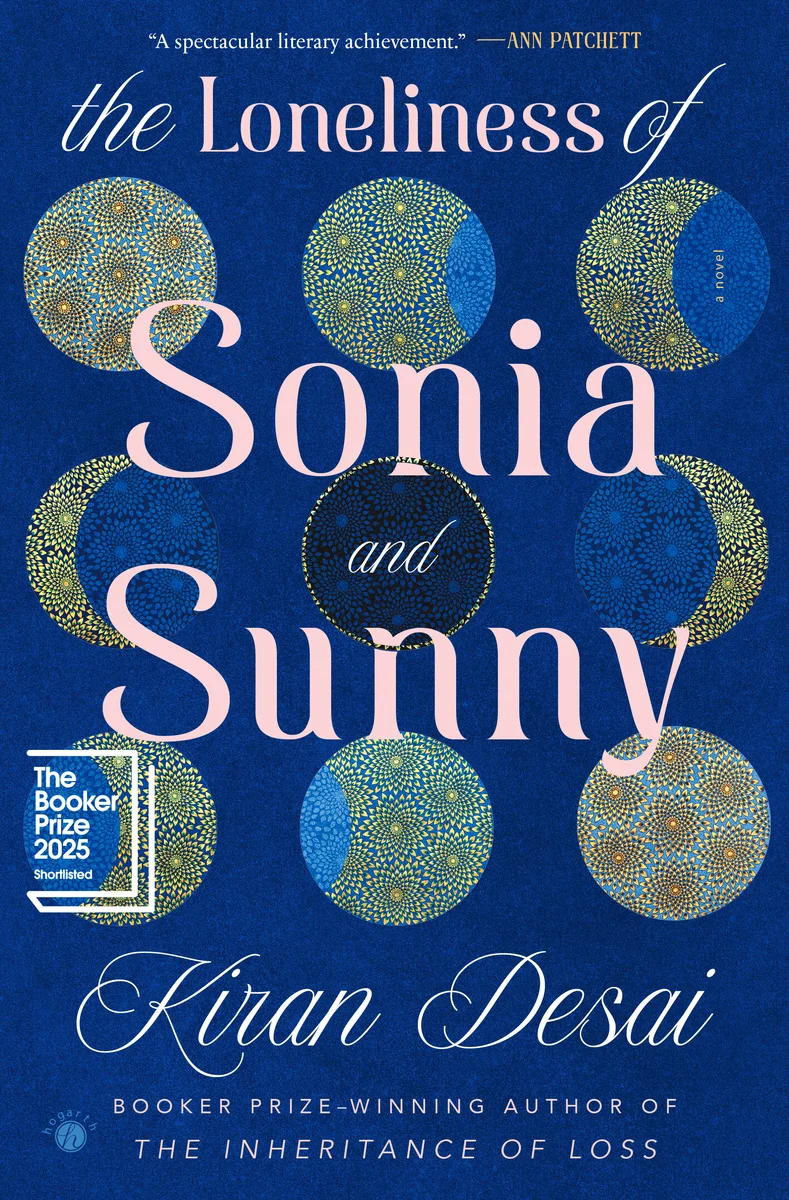
The Loneliness of Sonia and Sunny by Kiran Desai. Early in Kiran Desai’s new novel, Sonia, a college student and aspiring author, writes her senior thesis about whether contemporary Indian literature should embrace the magical realism expected by Western readers or follow “the compelling necessity to report on a vast unreported landscape, on millions of people with middle-class aspirations, the ordinariness of poverty.” The Loneliness of Sonia and Sunny rejects both options. Documenting the lives of three generations of two affluent Indian families, the novel is expansive—temporally, geographically, and generically (there is, after all, a hint of magic). Yet it never feels like a story of “millions,” but rather of individual lives and the places that shape them. The title refers to Sonia and Sunny, the youngest members of each family; both writers, they face the challenge of evoking India’s “unreported landscapes” without exoticizing them. The novel itself rises to this challenge magnificently. Describing Goa for a magazine article, Sonia “felt love of a place so great that the same tingling overcame her as when she read a book she loved too much to bear.” The Loneliness of Sonia and Sunny elicits a similar feeling: immersion in the world alongside the tingling pleasure of reading a great book.
STEPHANIE WONG
contributing editor
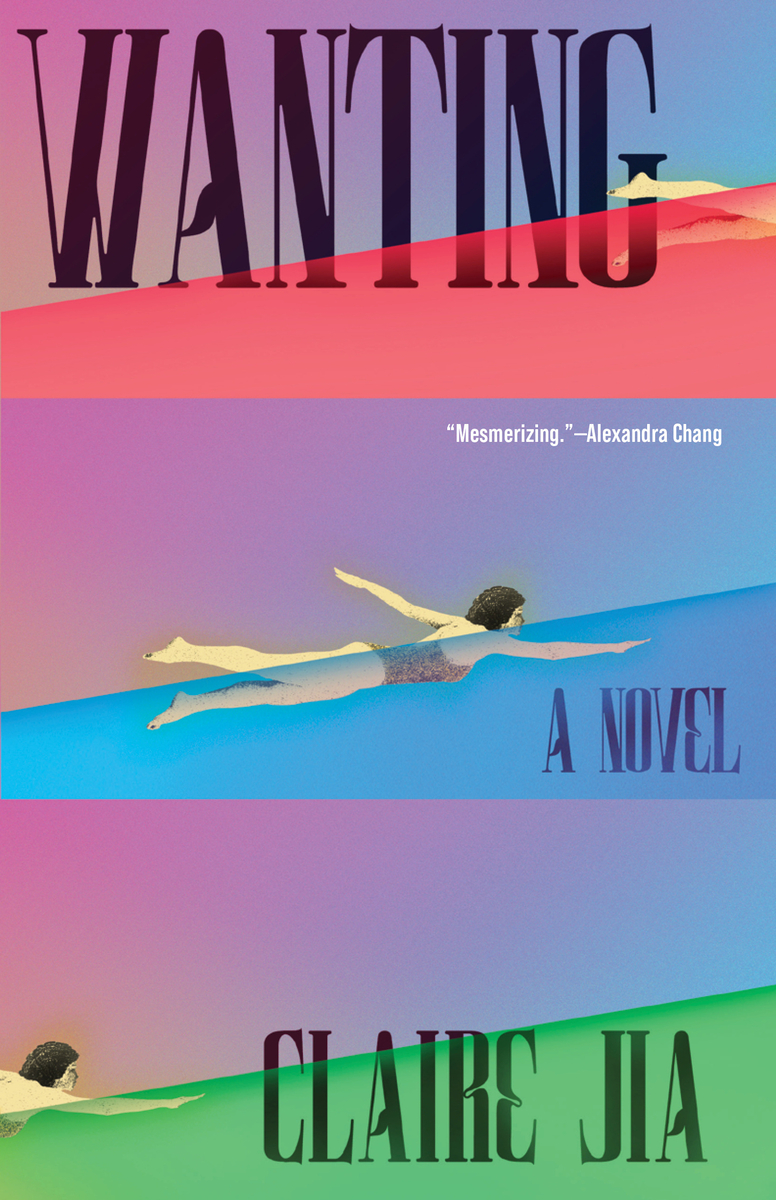
Wanting by Claire Jia. This is a book about falling in love. But with whom? If you’re hunting for a novel that reads like your favorite television dramedy, Wanting is for you. Author Claire Jia writes for television and video games—and for anybody who has ever loved their friends. I read it from cover to cover; and then I gave it to my partner, who also read it cover to cover. Enjoy it while brooding by a cozy fireplace this holiday season.