Section
Global Black History
-
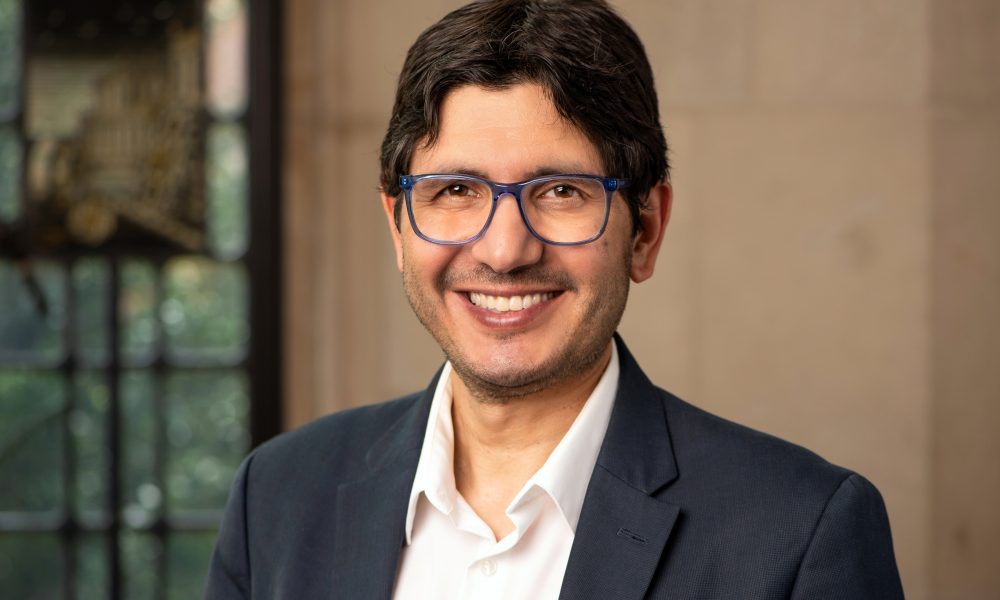
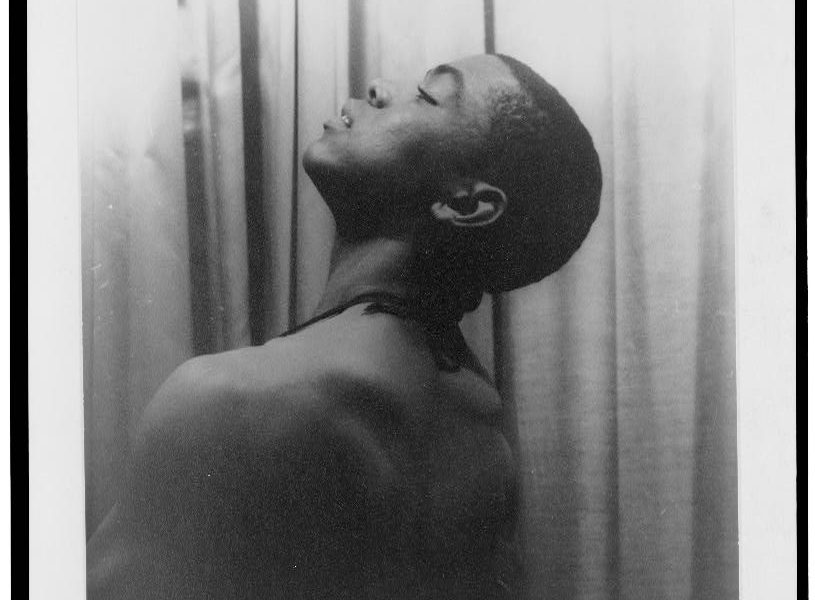
“Courage or Foolhardiness”: Talking Aimé Césaire with Alex Gil
“This way of going about prophecy sadly replaces the historical fact of Black victory with a timeless failed rebellion. Too bleak, if you ask me.”



-

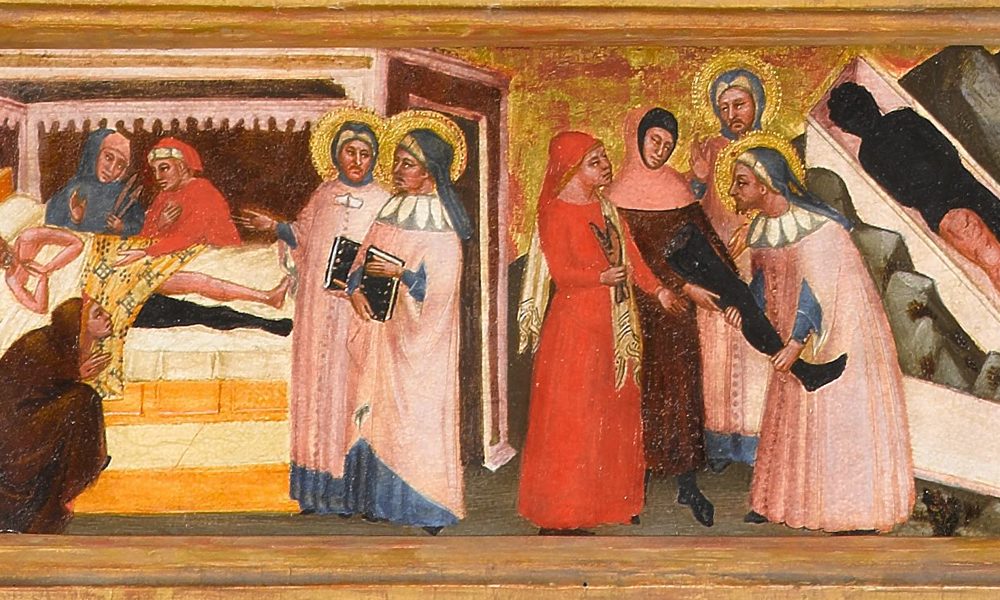
Rethinking Reconstruction: Kate Masur on “Freedom Was in Sight”
“Freedom Was in Sight” conveys that even as Reconstruction ended and the Jim Crow order took shape in the South, not everything was lost.
-
Archives of the Surveilled
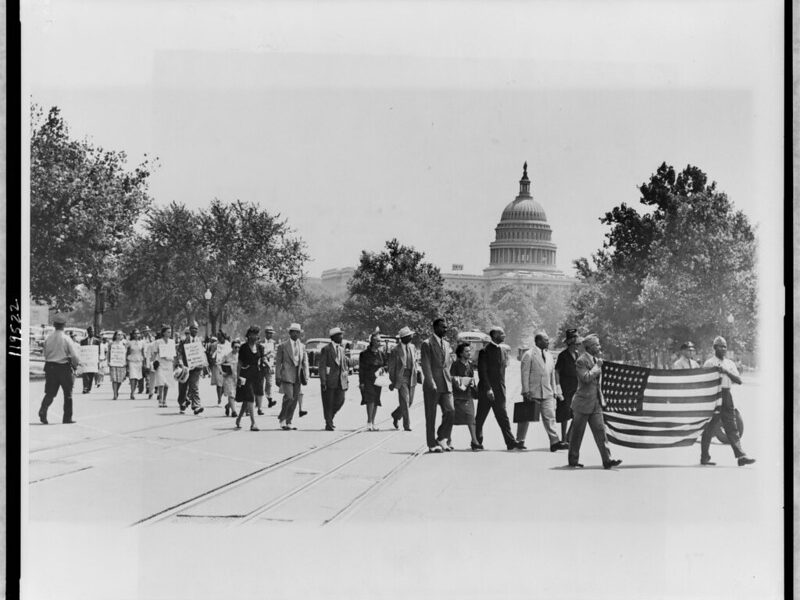
Arthur Huff Fauset’s elision from literary history was not merely a scholarly oversight but a reality constructed in advance by powerful forces.
-
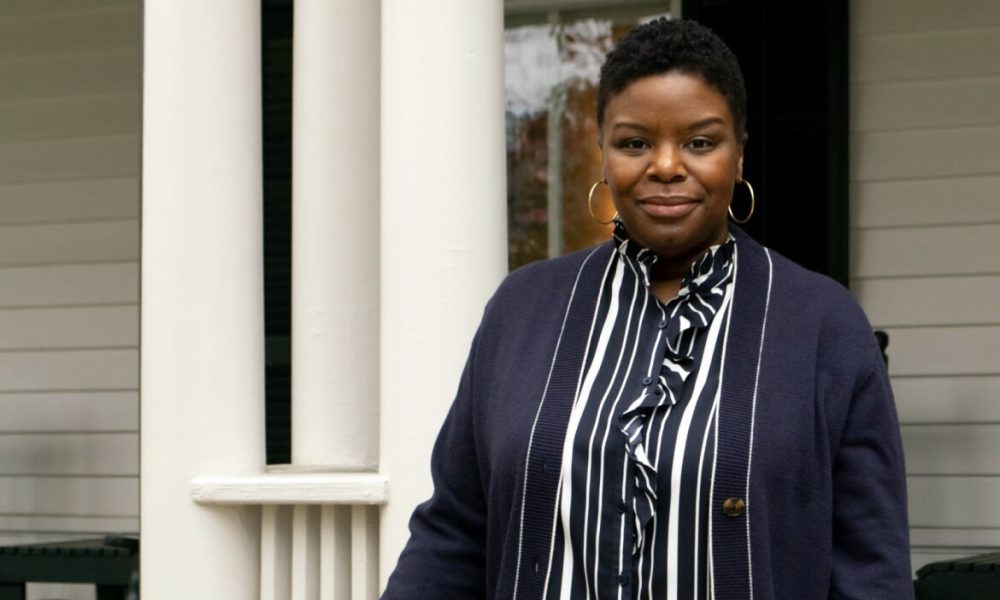
“The World Didn’t Give It, but the World Can’t Take It Away”: Talking Black Joy and Black Freedom with Blair LM Kelley
“Joy is a uniquely interesting Black experience. We talk about joy a lot, we sing about joy.”
-
Excavating New Archives of the Enslaved
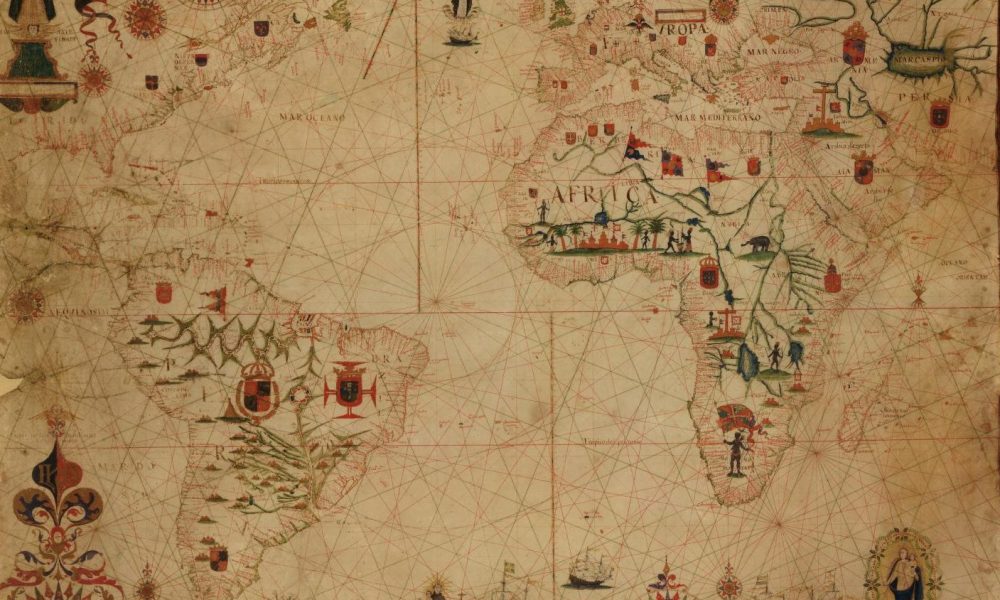
Three new books on how Africans shaped the Americas grapple with the politics of archival interpretation in constructing the histories of slavery and empire.
-
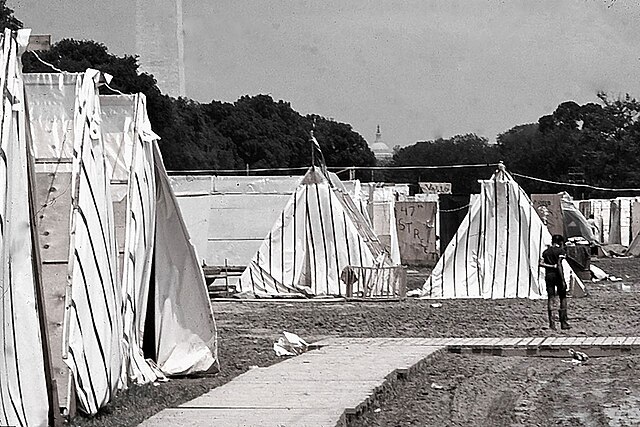
The Poverty of Homeownership
On both sides of the color line, to own one’s home remains synonymous with freedom—even as real estate has repeatedly been proven a relentless driver of inequality.
-
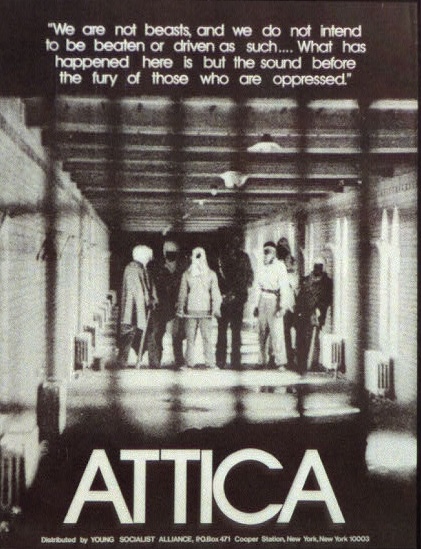
An Open Letter to Prison Officials on the Censorship of “Tip of the Spear”
Your censorship of my book must be understood within a broader context.
-

The Porous Prison
“People who may have conceived of a child on a conjugal visit, and changed that child’s diapers and taught them how to fish inside prison, are now forbidden to give them a hug.”
-
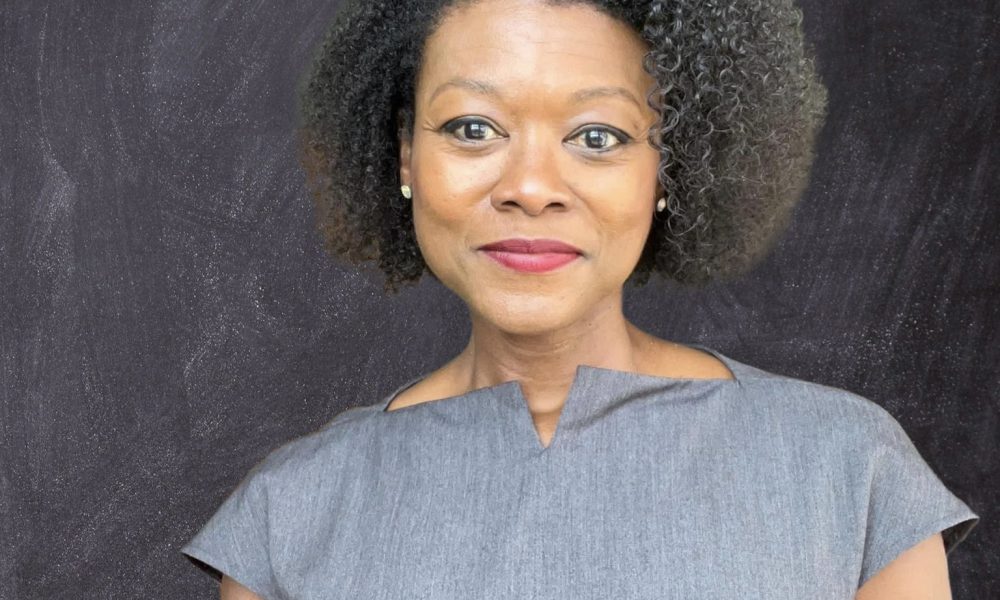
White Mediocrity Empowers White Villainy: A Conversation with Koritha Mitchell
“Not only does whiteness empower folk to destroy entire communities; it empowers them to say to your face that the destruction doesn’t have reverberating effects in the current moment.”
-
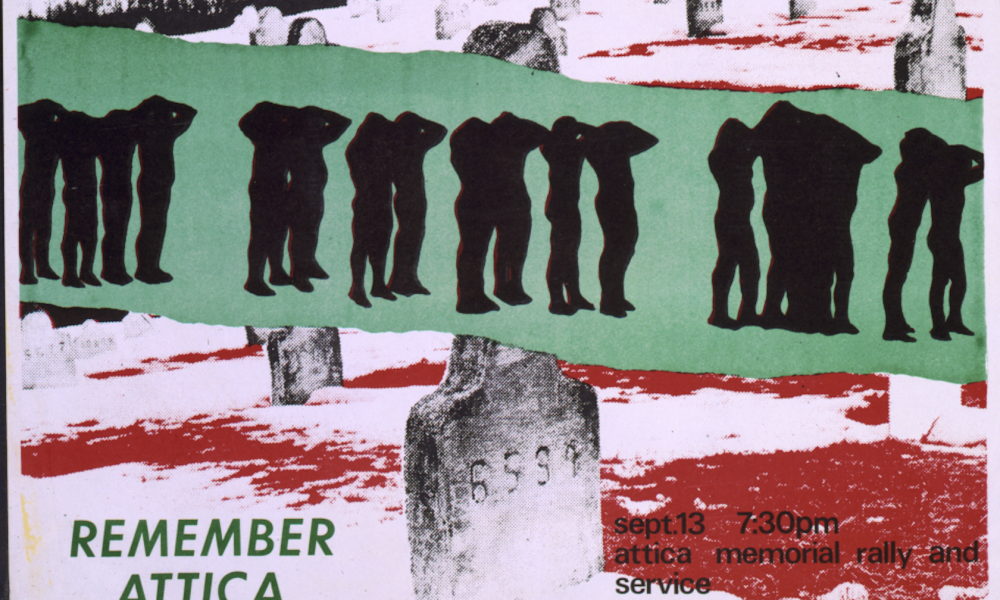
A Poetics of Living Rebellion
Rebellions cannot be studied with our traditional toolbelt of Western historical methods.
-
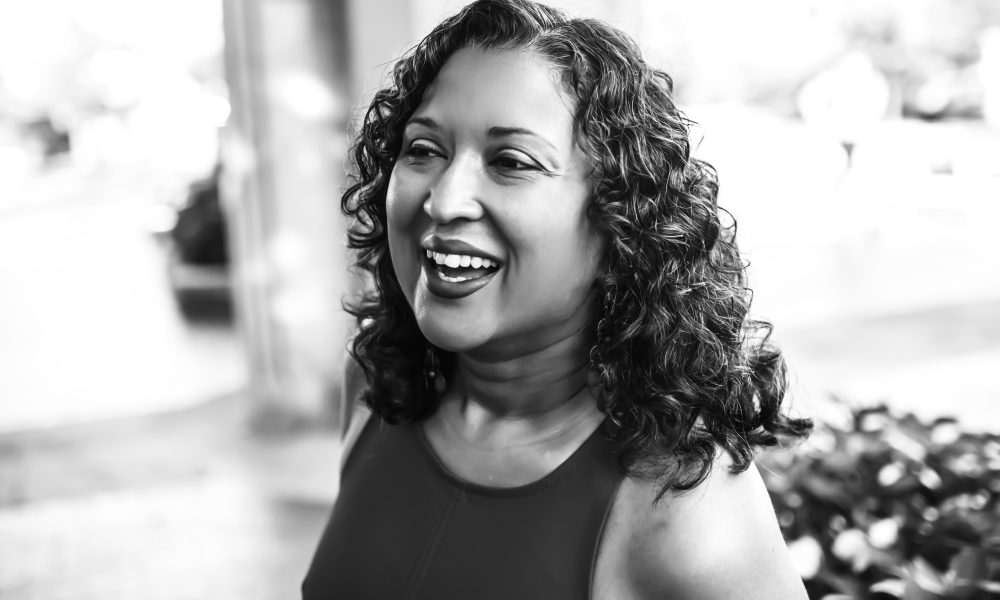
Tenuous Privileges, Tenuous Power
In “The Vice President’s Black Wife,” Amrita Myers paints freedom as a process in which Black women used the tools available to them to secure rights and privileges within a slave society.
-

Subterranean Worlds and Liberatory Futures
The metaphor of the underground as political is rooted in the spatial undergrounds of nineteenth-century America.
-
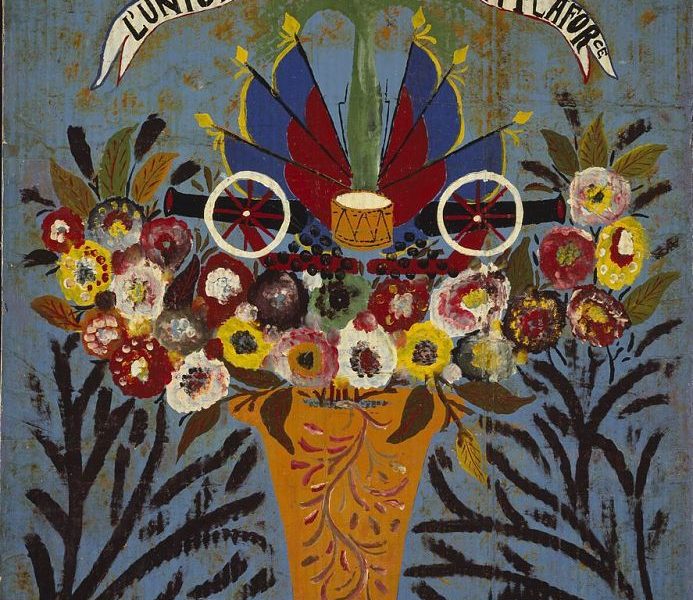
Haiti’s Blueprints of Black Sovereignty
How was a self-proclaimed Black nation to define its role in an Atlantic world deeply entwined with enslaved Black labor?
-
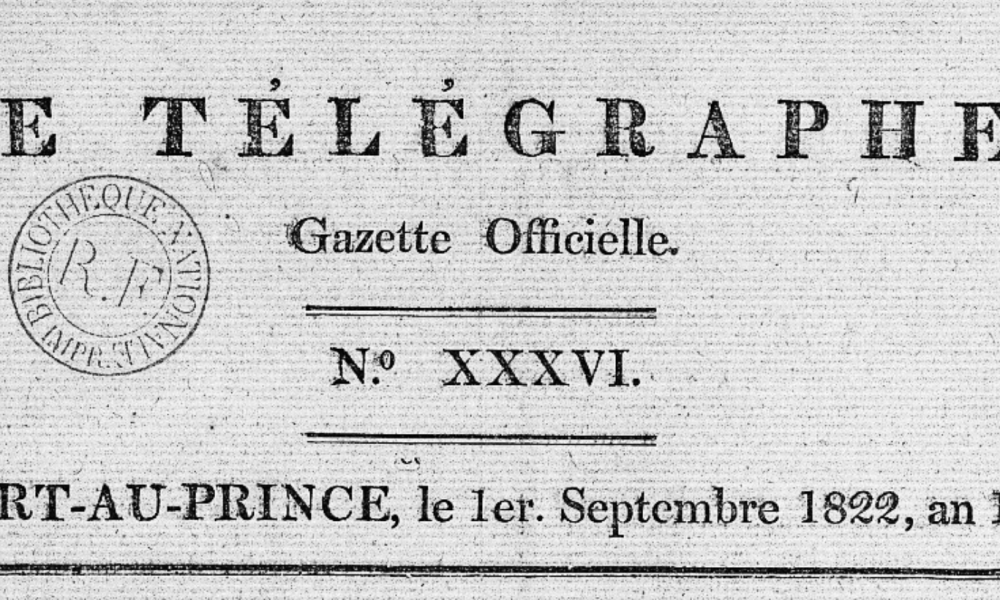
Enemy of the State
Félix Darfour accused the post-independence Haitian republic with corruption. He lost his life for it.
-
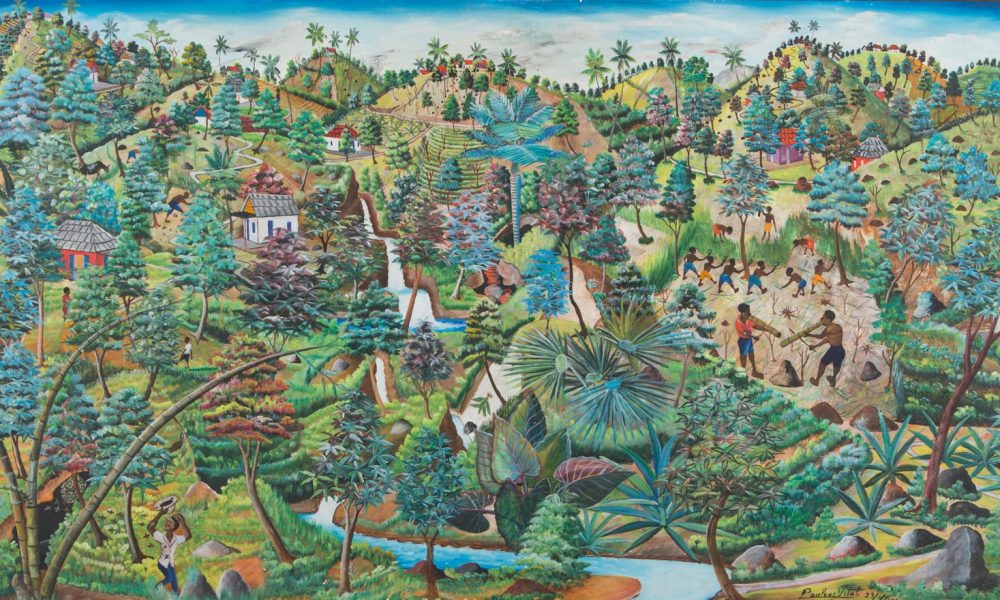
Counter-Plantation Nation
The language and culture of Kreyòl, as well as the Vodou religion, reveal a vision of Haitian sovereignty on behalf of those formerly enslaved.
-
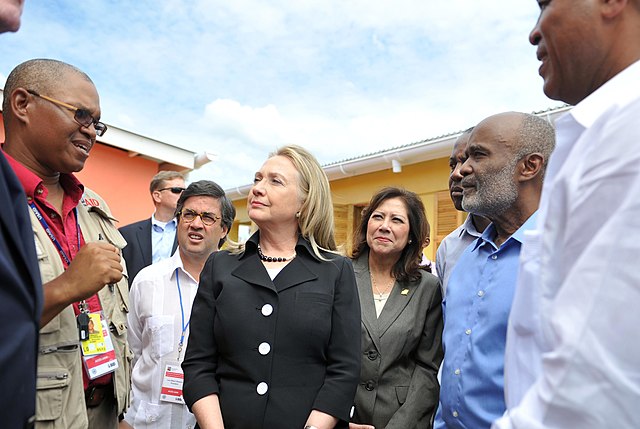
Haiti: What Sovereignty?
After winning independence, the West rushed to teach Haiti a lesson so that their revolutionary experience would not recur on the continent. Haiti suffers the repercussions of such attacks to this day.
-
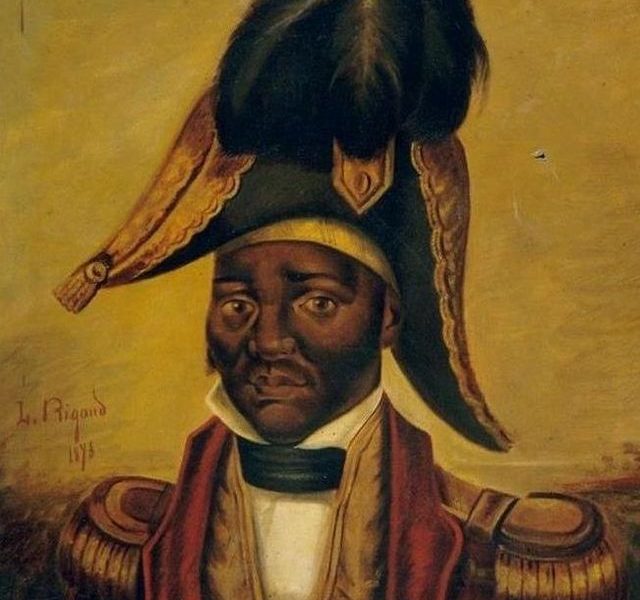
The U.S. Has Never Forgiven Haiti
For Frederick Douglass, and for Black activists across the United States, there was no place more important to global Black freedom than Haiti.
-
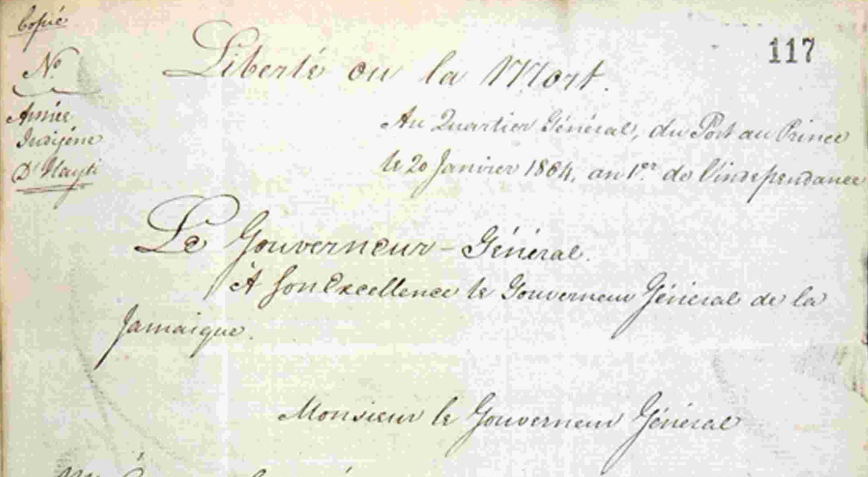
“We Have Dared to Be Free”
Haiti truly manifested the principles of liberty, but international resistance and racism have worked for 220 years to undermine its sovereignty.
-
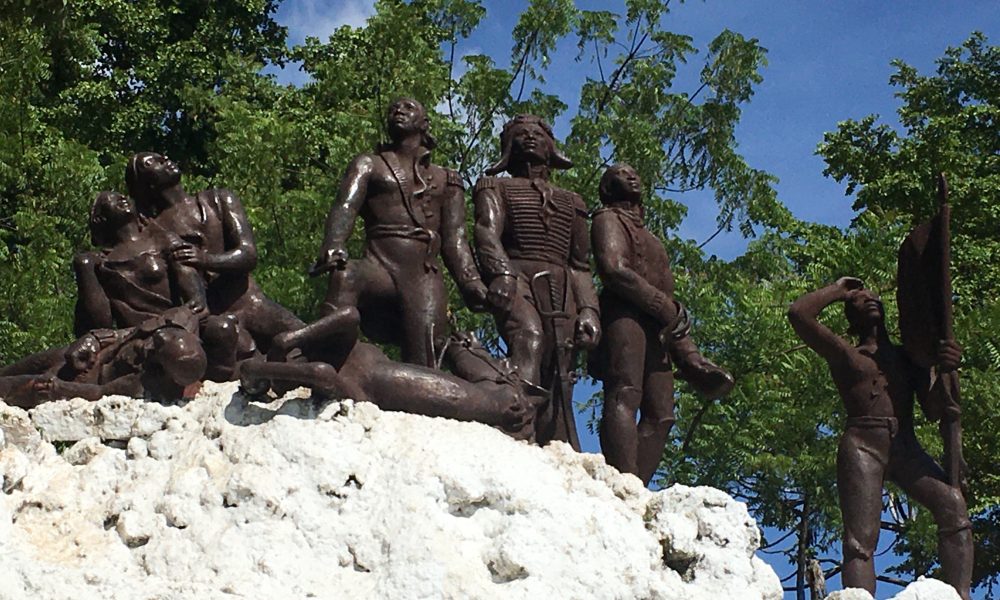
How Haiti Destroyed Slavery and Led the Way to Freedom throughout the Atlantic World
Not the United States, Great Britain, France, or any other enslaver deserves credit for ending slavery. Atlantic abolition began with Haiti.
-
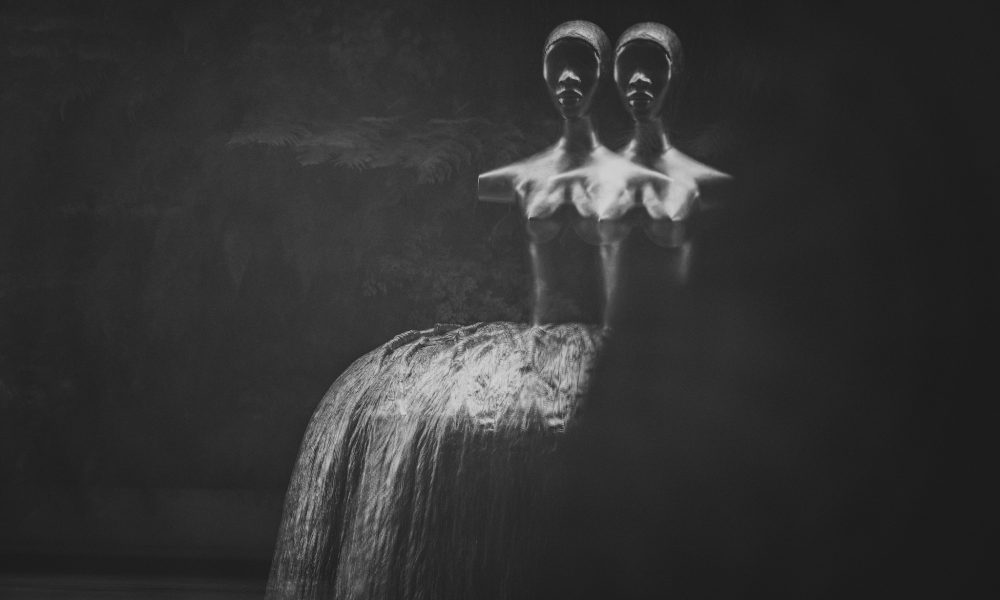
Tracing Women: Haitian and Black Cuban Women Archivists
“On the roadside, in homes, or at the marketplaces, Haitian women studied women’s history, culture, and politics—all without formal education.”
-
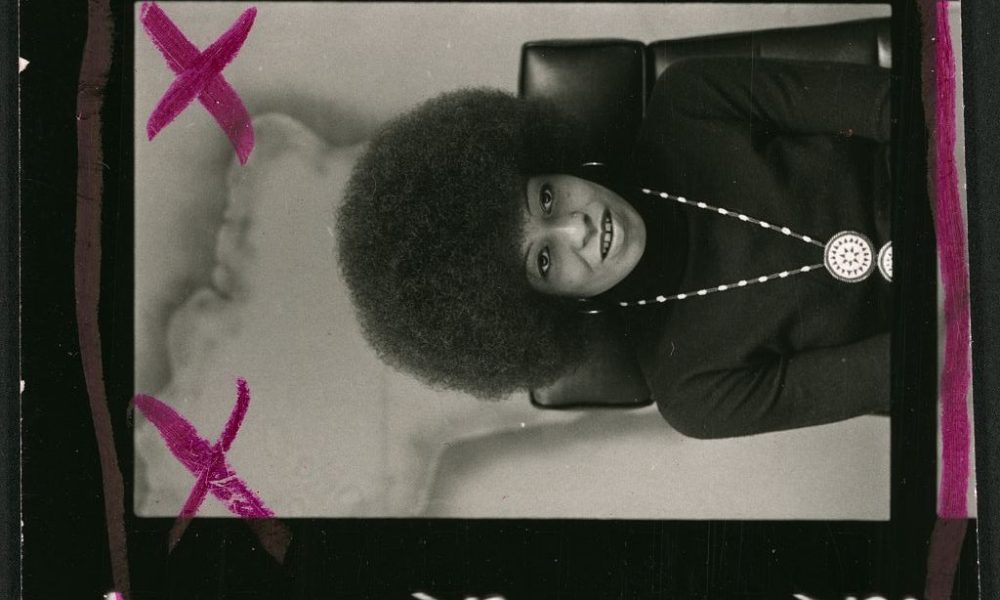
Morrison and Davis: Radicalizing Autobiography
Don’t question Angela Davis’ manuscript, Toni Morrison warned her publishing colleagues. Davis was not “Jane Fonda” but, rather, “Jean d’Arc.”