Section
Print/Screen
-
Victorian Materialisms, Crip Realities
Raised-text print in the 19th century transformed literacy, reading practices, media representations of blindness, medical and journalistic discourse, and, most importantly, the everyday lives of blind people.


-
You Could Use the Exercise
In the face of AI, the time is right to practice our writing techniques for invention and surprise.
-
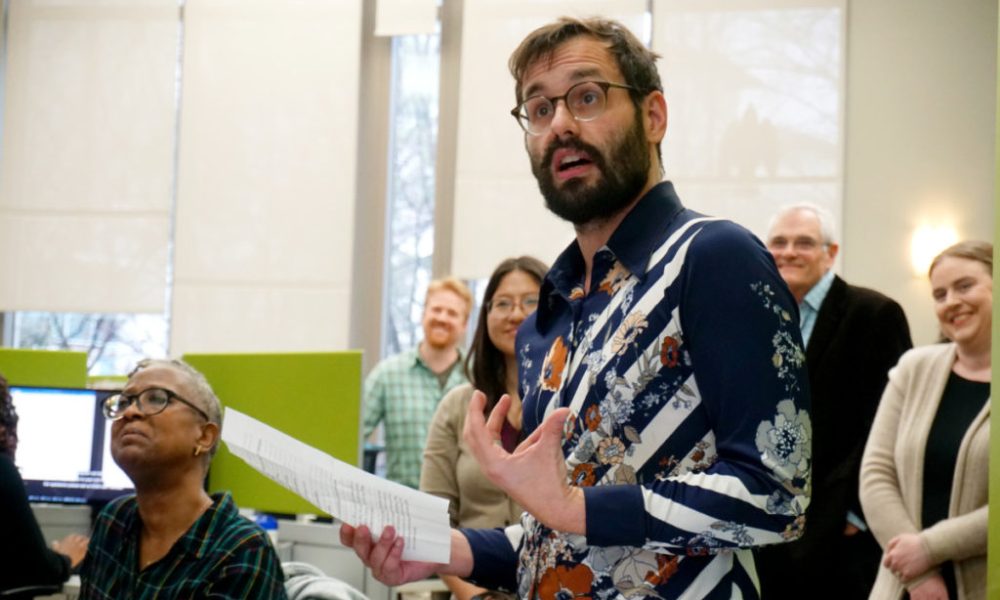
Life inside the Fiction Factory: Dan Sinykin on Conglomerate Publishing
“An author’s photo is more appealing to the consumer than the publisher’s colophon.”
-
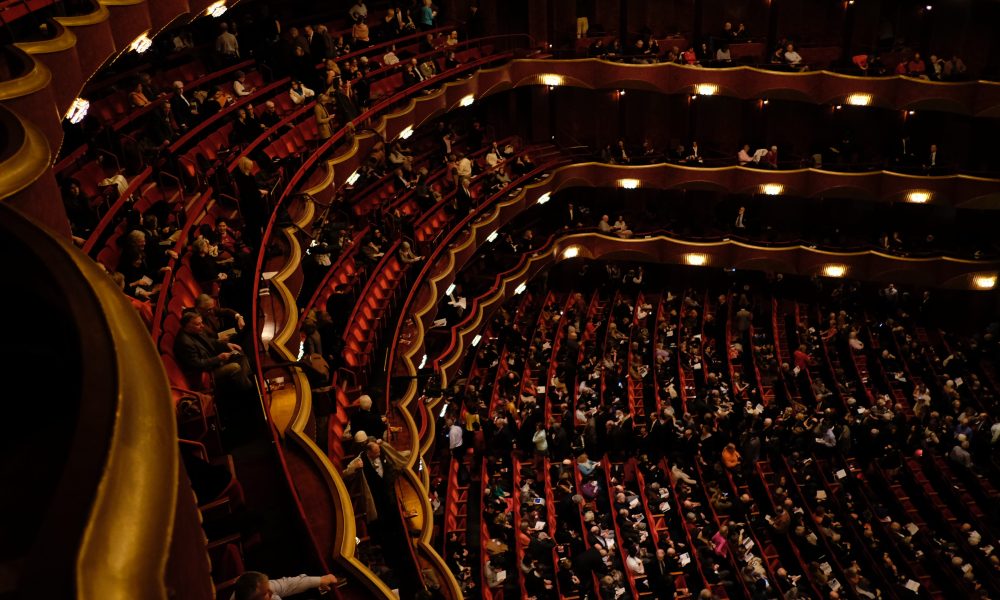
Tickets Are for Remembering
Playbills, programs, tickets: such physical documents are no longer part of seeing a show on Broadway. Does it matter?
-
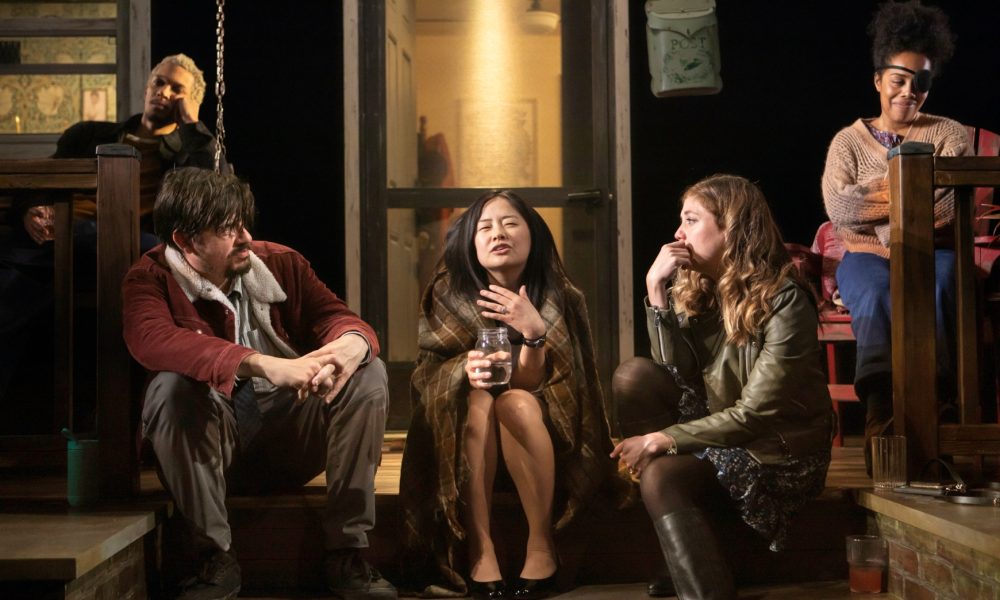
“Why Do We Go On Pretending?”: Theater at the End of the World
The theatre is where we go to remind ourselves that we are all dying together, and to live better for it.
-

There Is No Such Thing as a Good Book: On “The Art of Libromancy”
“I do not think bookselling is an art. I think it is a job.”
-

This Is Your Brain on Books
“Reading occupies a strange position in today’s world, being at once physiologically unnecessary and culturally central.”
-
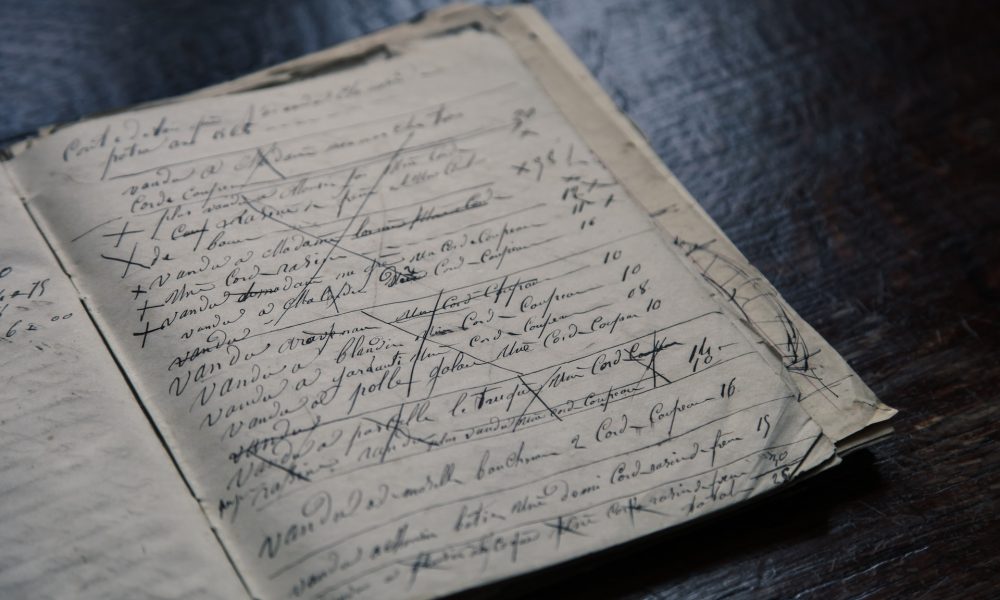
Slanting the History of Handwriting
Whatever writing is today, it is not self-evident.
-
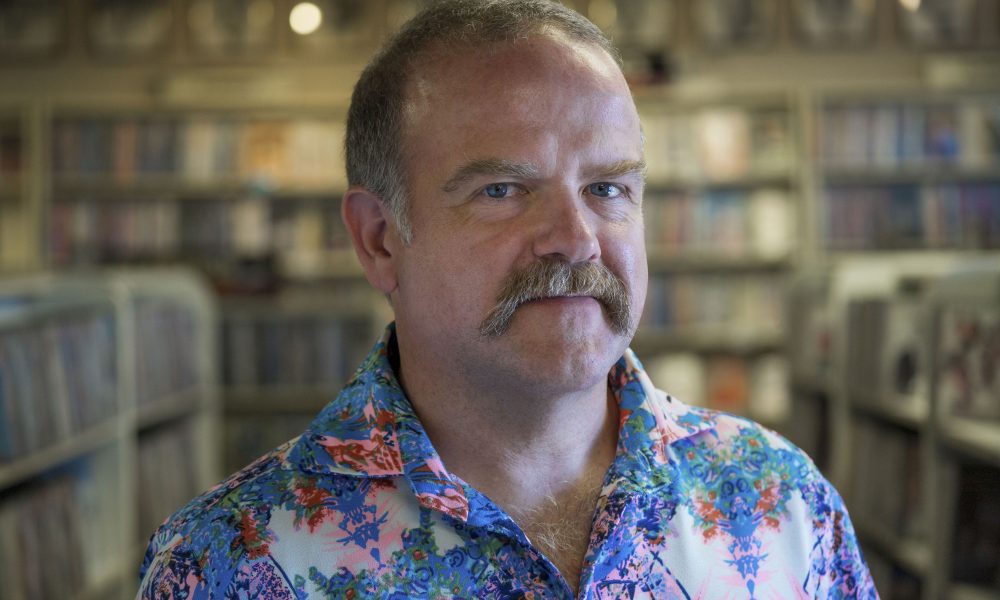
“If It Bleeds, We Can Kill It”: Ander Monson on “Predator” and the Monster of American Masculinity
“I see actual male friendship, in a way that I don’t in almost any other action movie from the 80s.”
-
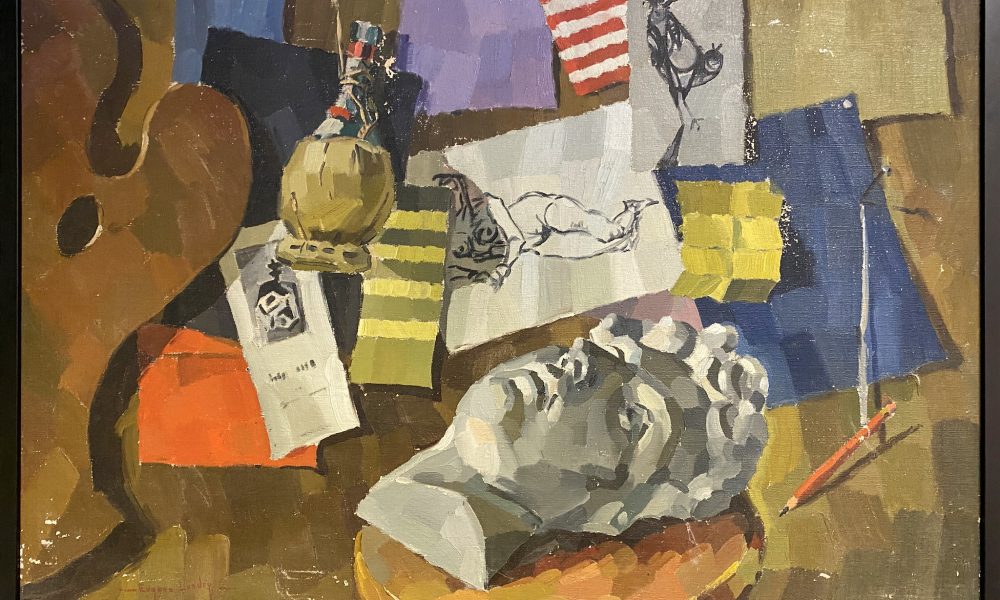
Ogden & Hardwick’s Everyday Enigmas
“Good afternoon, ma’am. Do you ever feel that it is so hard to know how to be happy?”
-
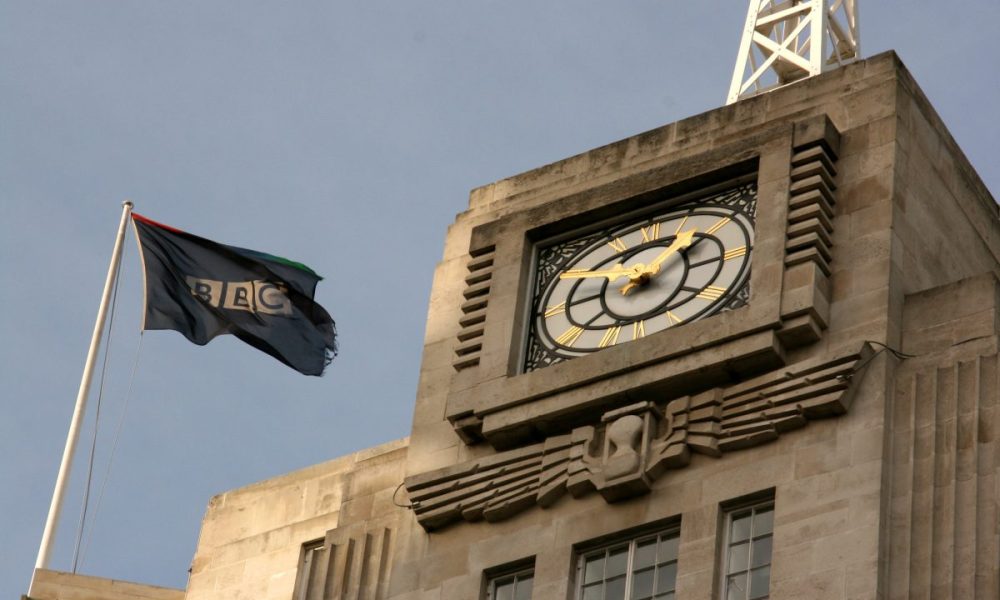
How To Scuttle A Public Broadcaster
On the 100th anniversary of the founding of the BBC, national public broadcasters across the world are still subject to constant spurious attacks.
-
Reading after the University
If you want to support readers, the best hope will always be helping do away with economic compulsion and the division of labor.
-
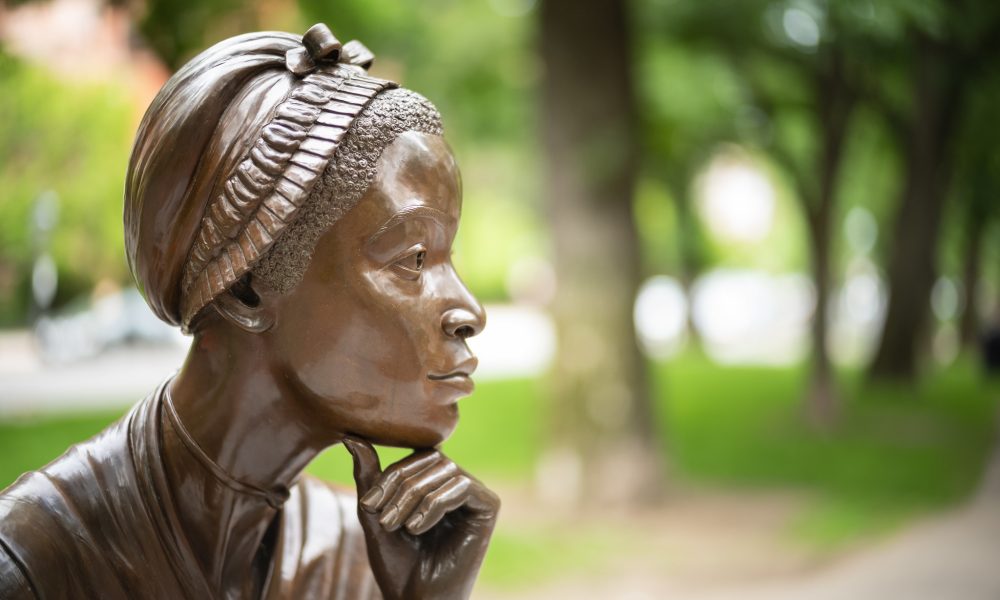
Failure’s Gifts
Even the most successful authors—like Phillis Wheatley and W. E. B. Du Bois—fail to publish all they’d like. What can that reveal about literature?
-
The Text: Do Not Disturb
Does loving a work of literature mean seizing it? How should critics feel about their feelings toward a text?
-
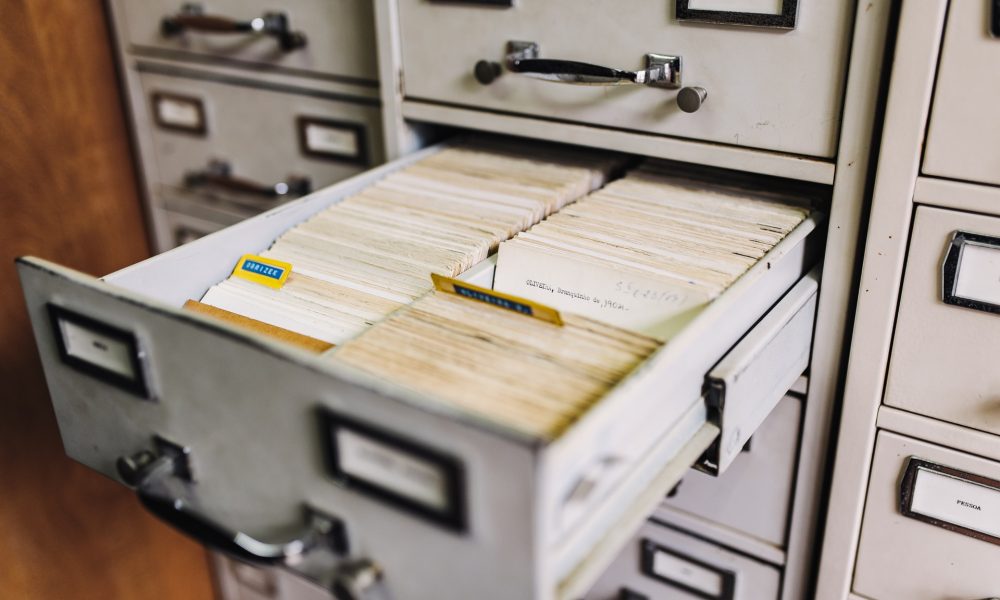
In Praise of Search Tools
For centuries, book-makers, printers, furniture-makers and, now, programmers have worked to answer: how do you find what you need in a book?
-
What Is a Book?
The “papers” of Toni Morrison can be accessed through a Princeton computer terminal. But where do these digital drafts end, and Beloved begin?
-
Mission Impossible
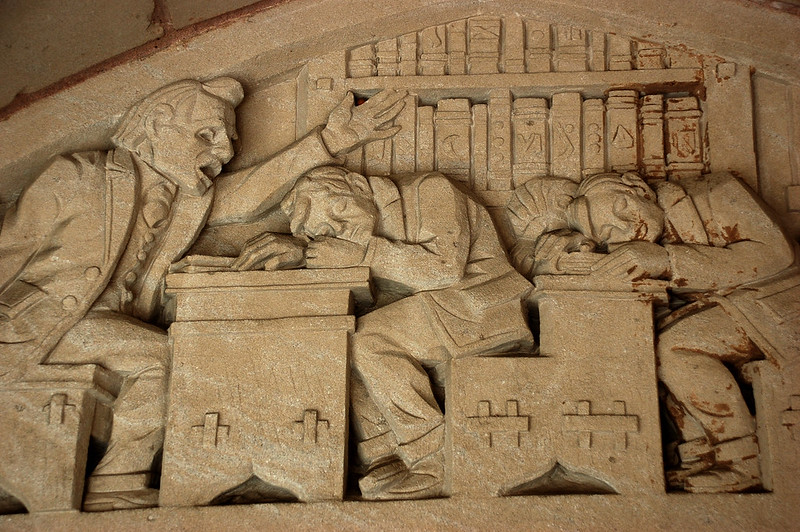
The university has been changing, to be sure. But has the proportion of students who want to devote themselves to acts of humanistic creativity?
-
Rereading the Revolt
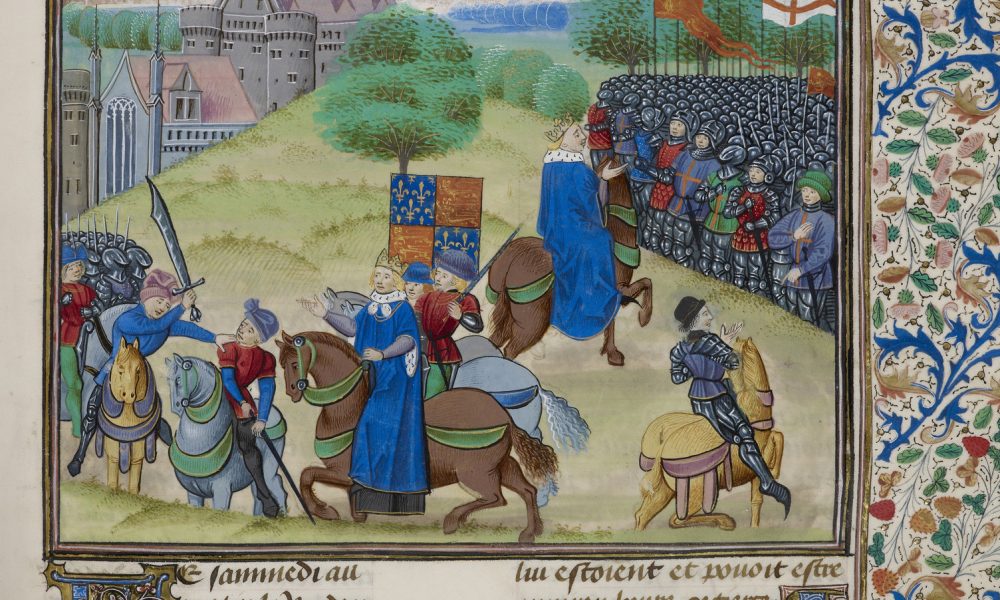
In May 1381, rebels burned documents at Cambridge, then scattered the ashes to the wind. But why were universities targeted by the rebels?
-
What Happens When a Metaphor Becomes Real?
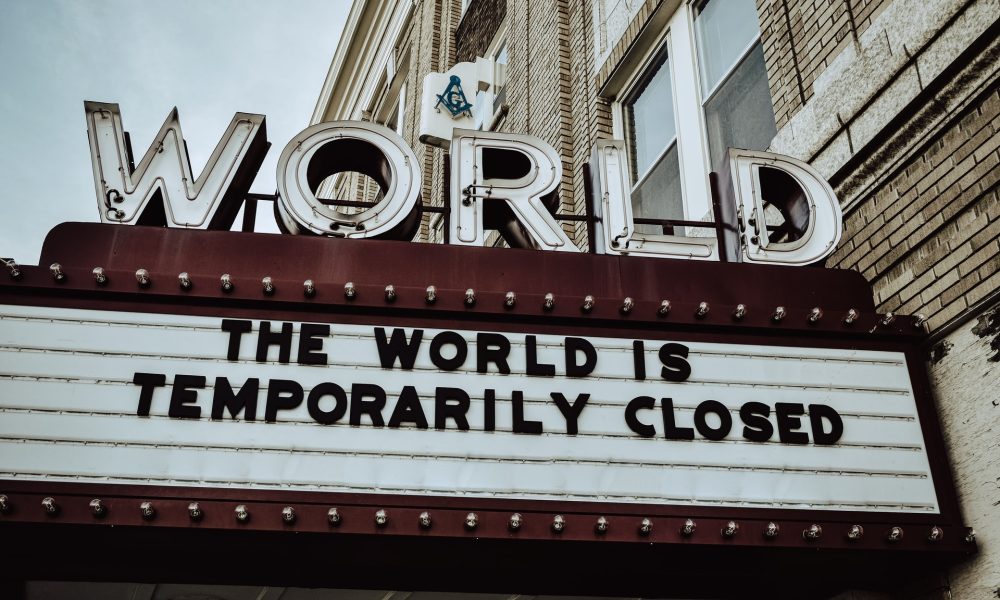
The humanities can reveal the truth of the world’s crises, everything from contagions like the pandemic to apocalypses like right-wing violence.
-
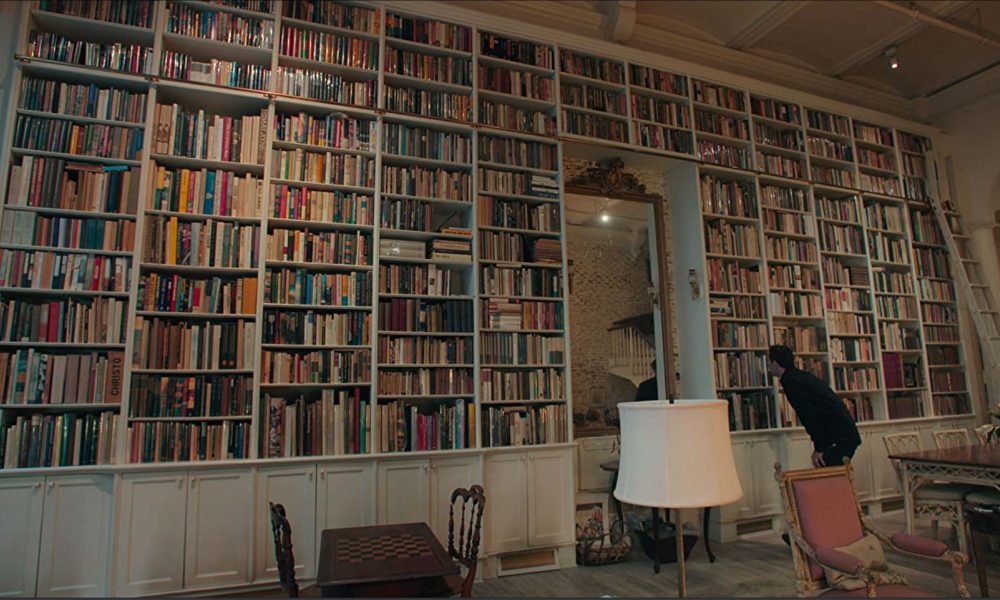
What’s in a Bookstore?
For more than five centuries, equilibrium between profit and passion has remained elusive to book buyers and sellers.
-
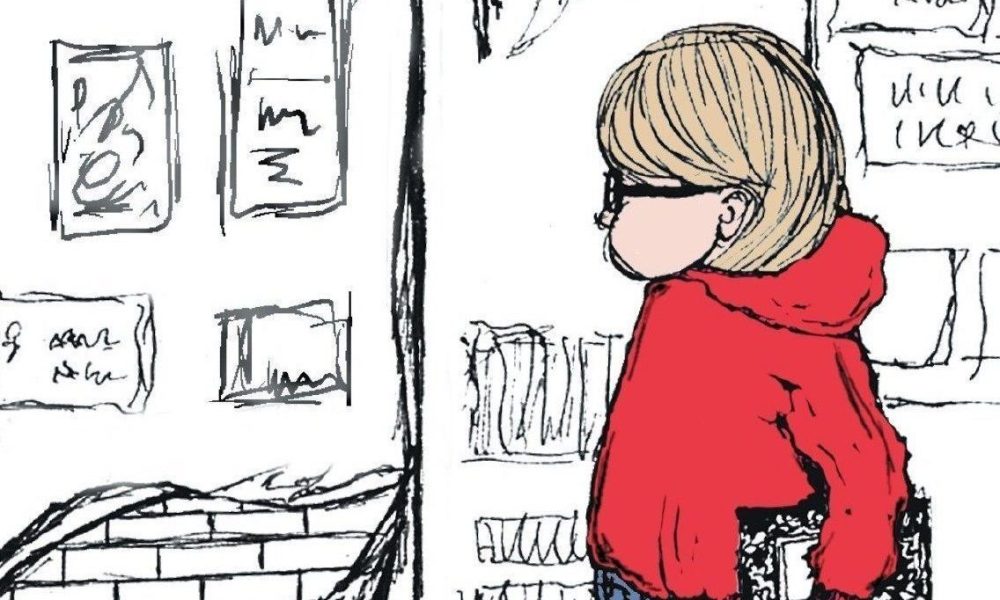
When the Writing Takes Over the Writer
Louise Fitzhugh, author of Harriet the Spy, and the poet James Merrill were joined by friendship, craft, and graphomania: the compulsion to write.