Section
Literature in Translation
-

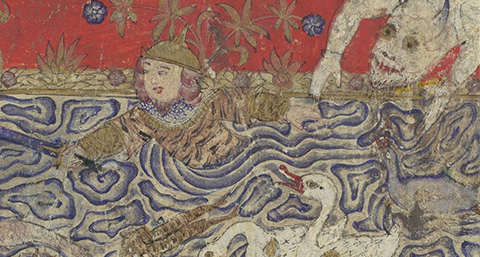
They Would Not Dream of Flowers: Translating Through the Tehran Blackout
As the entire country was plunged into a digital blackout, the only light remaining in my room was the cold, clinical glow of my disconnected laptop. There, in that forced isolation, I sat translating a story about death.




-
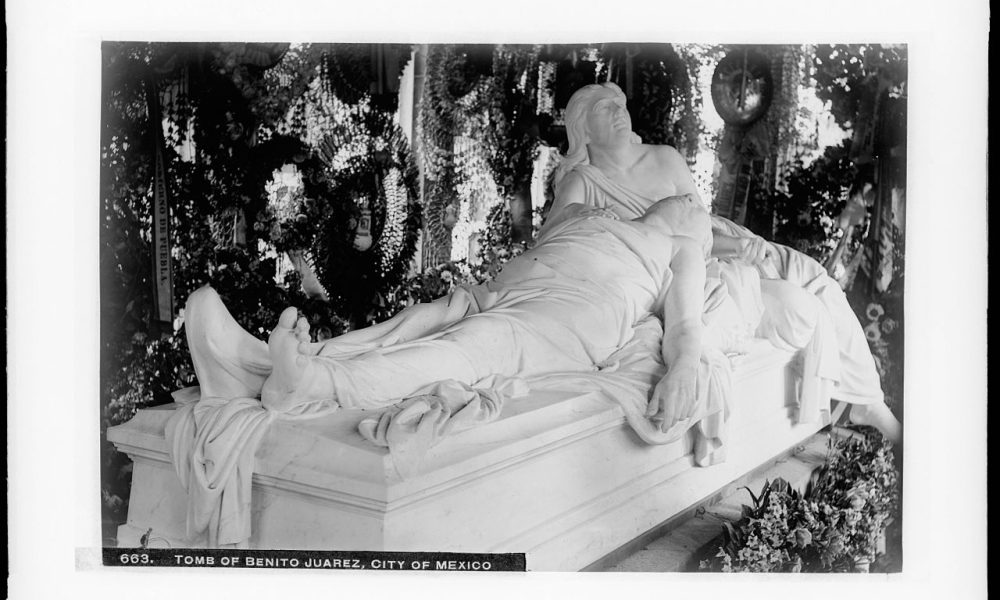
Once upon a Time in Tenoxtitlan
Two novels published in 2024 return to some of the best-known, canonical figures and episodes from Mexico’s past.
-
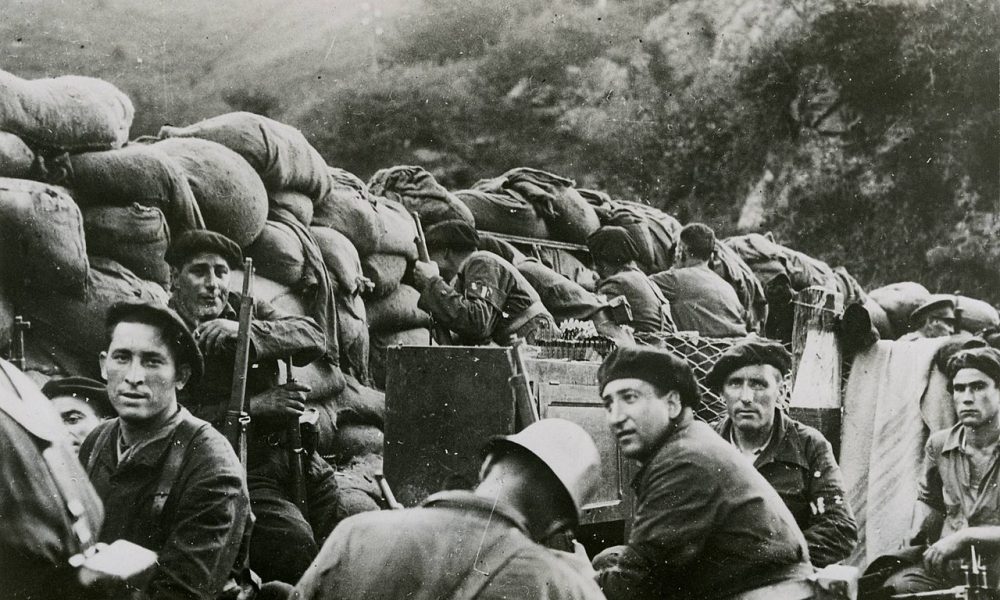
“The Door’s Still Locked”: Fiction after Fascism
“Labor” forces us to ask: Who has power? “Horror” forces us to ask: Who is the monster? And the combination of the two, “Labor-as-Horror,” tells us to beware the uncomfortable fractures in our otherwise ordinary work.
-
The Translator’s Dilemma: Thinking Versus Doing?
Would we get a different view of translation if we turned to translators themselves?
-
When Language Is Lost, What Can Be Gained?
Aphasia brings up existential questions that get at the heart of human connection: Who are we without language?
-
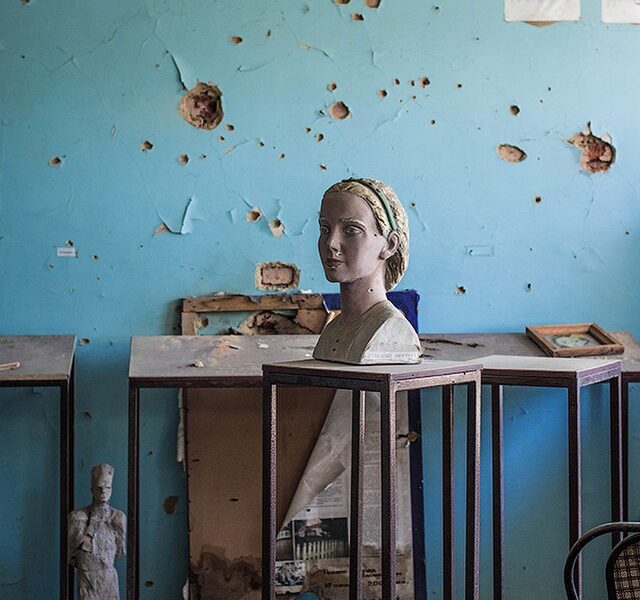
“Only the Northern Lights”: The Russo-Ukrainian War and Its Poets
These poets unsettle a collective sense of melancholy into a generative force, from which a transformed historical imagination can emerge.
-
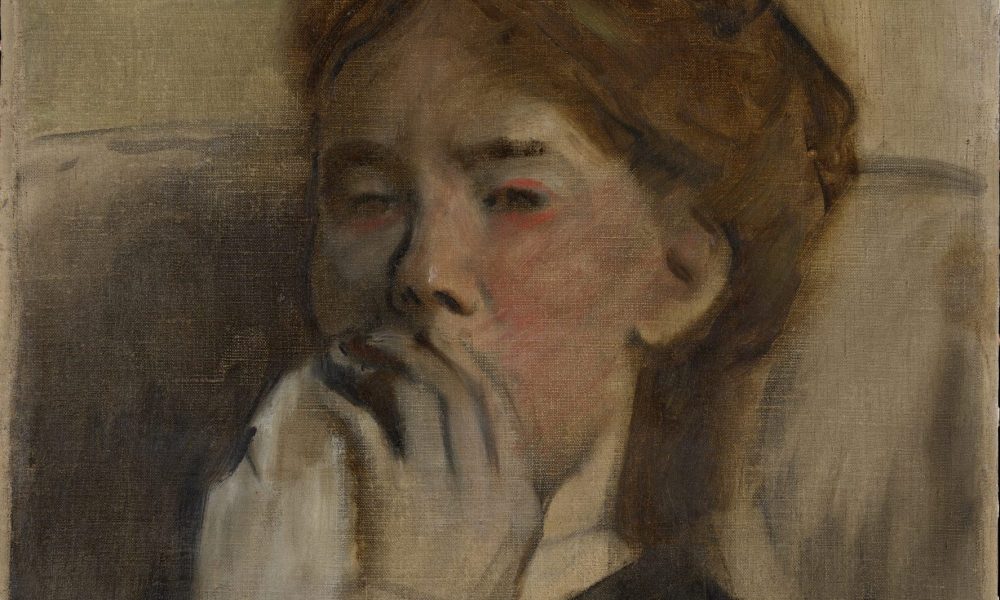
Modes of Witness: On “The Singularity” and “The Simple Art of Killing a Woman”
Despite their opposing answers to the question—what to do with the grief of witnessing?—both novels lead us up and back down the long, winding road of grief and witness.
-

Lahiri’s Metamorphoses
Over eight years have passed since Jhumpa Lahiri announced her intention to leave behind the terrain of English letters and write only in Italian.
-

A Translation the Size of the World
“Translators and writers must fight through the “labyrinth of [the] imagination,” find their way through their private language toward a text’s new picture of reality.”
-
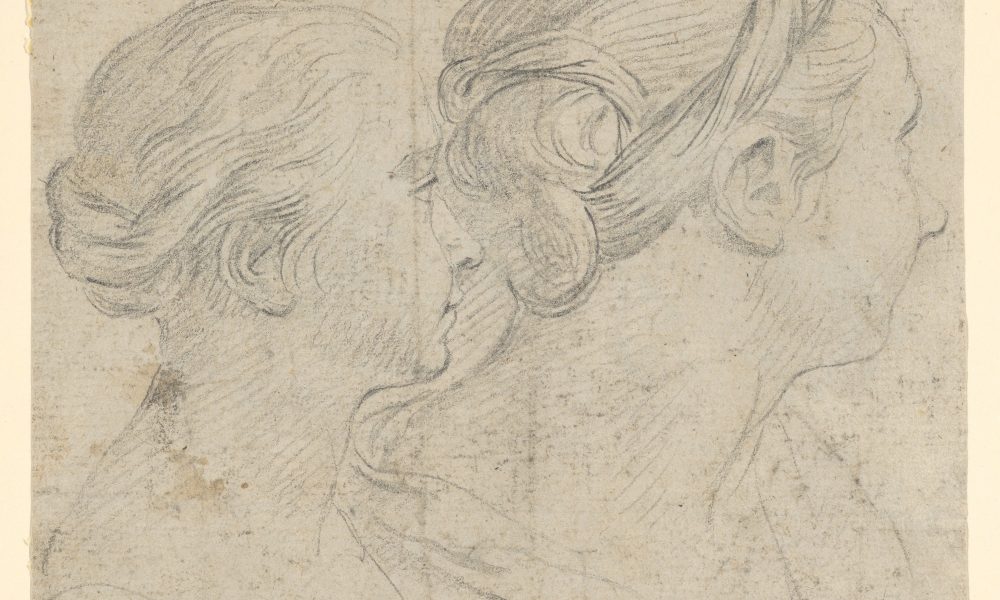
Phantoms of Patriarchy: On Ditlevsen & Bachmann
Revival fetishism perpetuates the gendered dynamics of authorship and reception that Tove Ditlevsen and Ingeborg Bachmann spent their lives writing about and against.
-
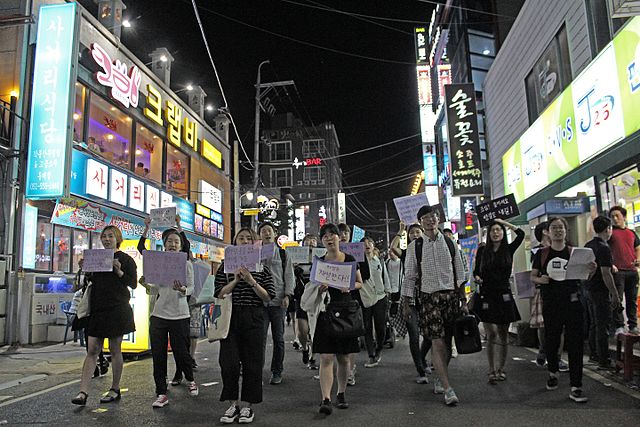
A #MeToo Novel That Must Be Read #WithYou
A South Korean novel critiques violent misogyny within a literature department. Remarkably, it does so by addressing the reader directly.
-
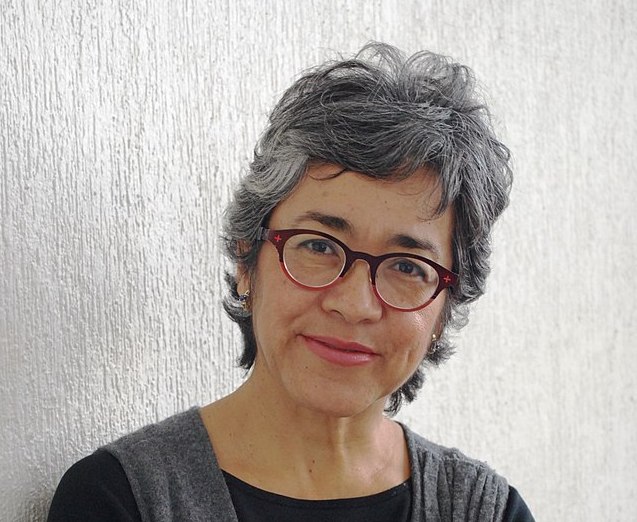
Cristina Rivera Garza: “the traces that shelter us”
One novelist spotlights an object, feeling, or sensation where the relay between past and present, or present and future, becomes visible.
-
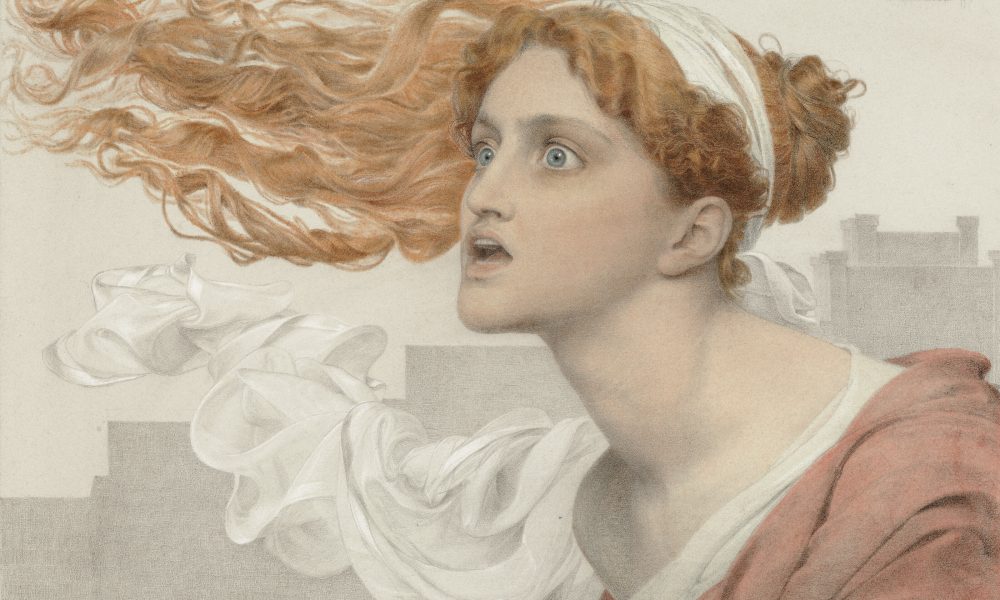
“I Began With Sound”
“My task was to make this ancient poem about death feel vividly, unarguably alive.”
-
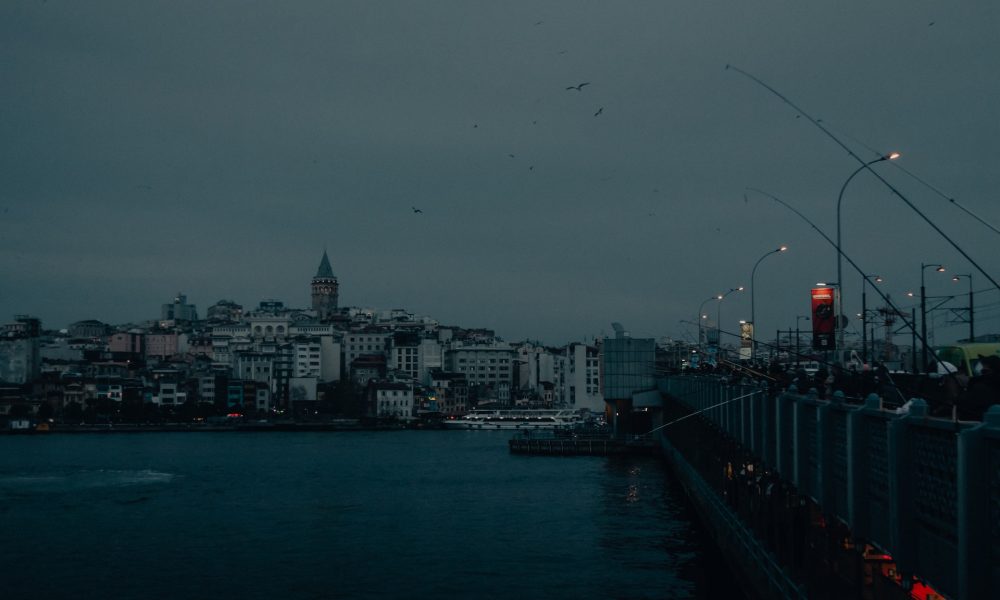
Literature: What to Make of Complicity?
Turkish literature shows how difficult it is to balance political critique with literary experimentation. But it can—and, perhaps, must—succeed.
-
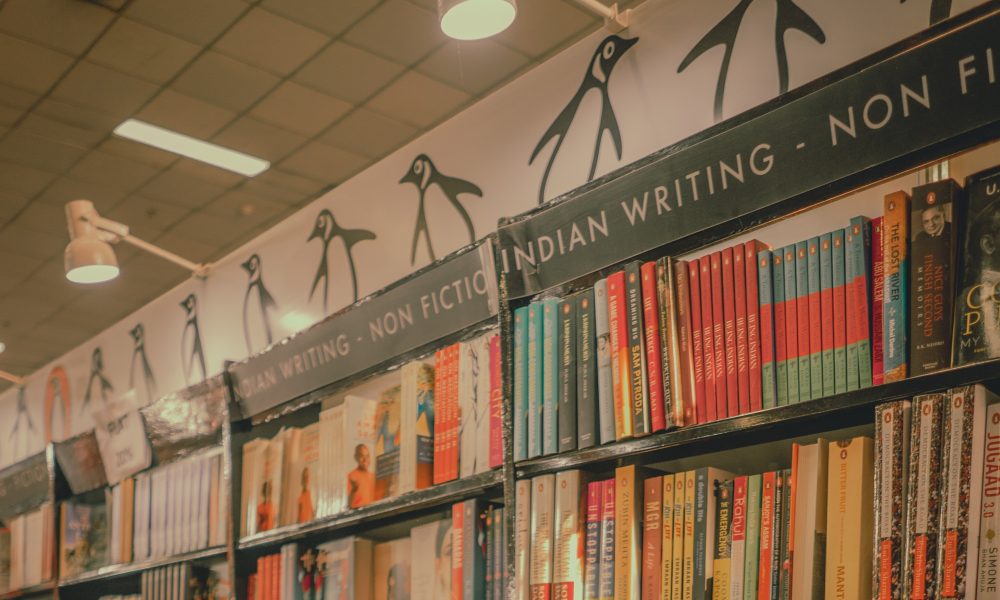
“Tomb of Sand” Brings Hindi Literature to the World
Despite the fact that Hindi is the language of more than 400 million people, Hindi fiction is rarely translated.
-
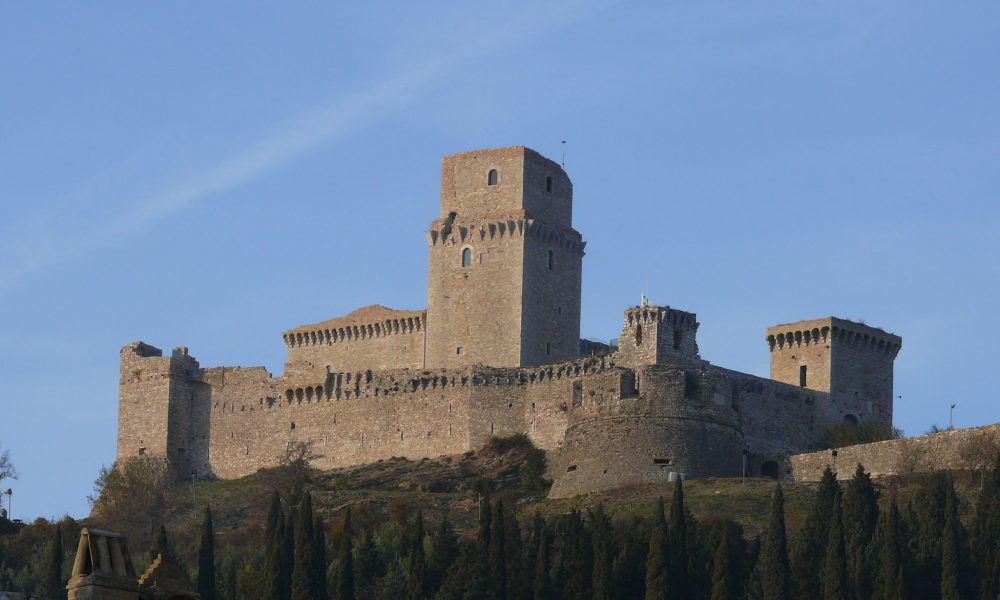
Crossing “The Tartar Steppe”: A New Buzzati
Did this 1940 novel use symbolism not for aesthetic purposes, but, instead, to conceal its critique of Italian fascism from the regime’s censors?
-
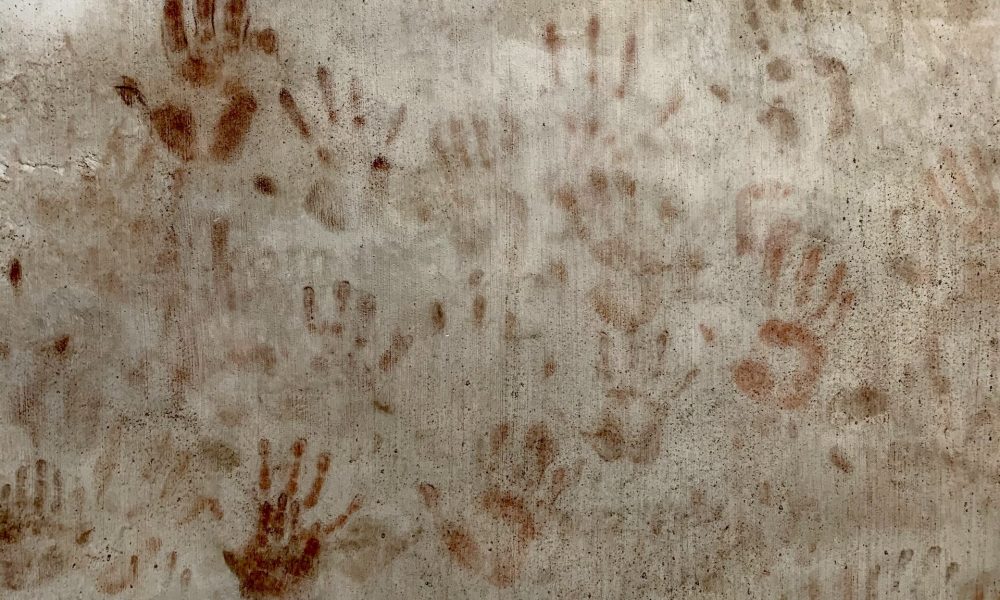
Growing Up in the World Made by Femicide
A dystopian buddy story shows misogynist violence emerging spontaneously—almost casually—from male camaraderie, from ennui, from dipshit youth.
-
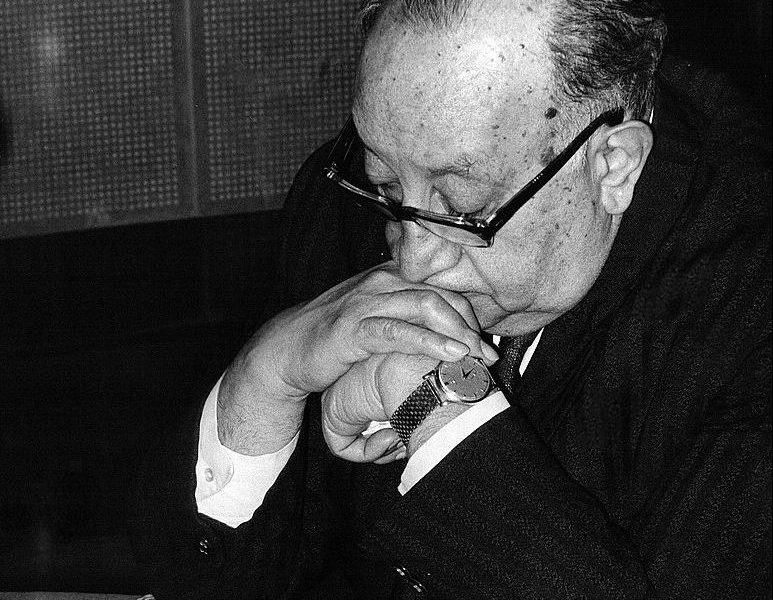
A Novel the CIA Spent a Fortune to Suppress
Mr. President shows widespread corruption around a fictional Guatemalan dictator. This did not please the country’s real dictators.
-
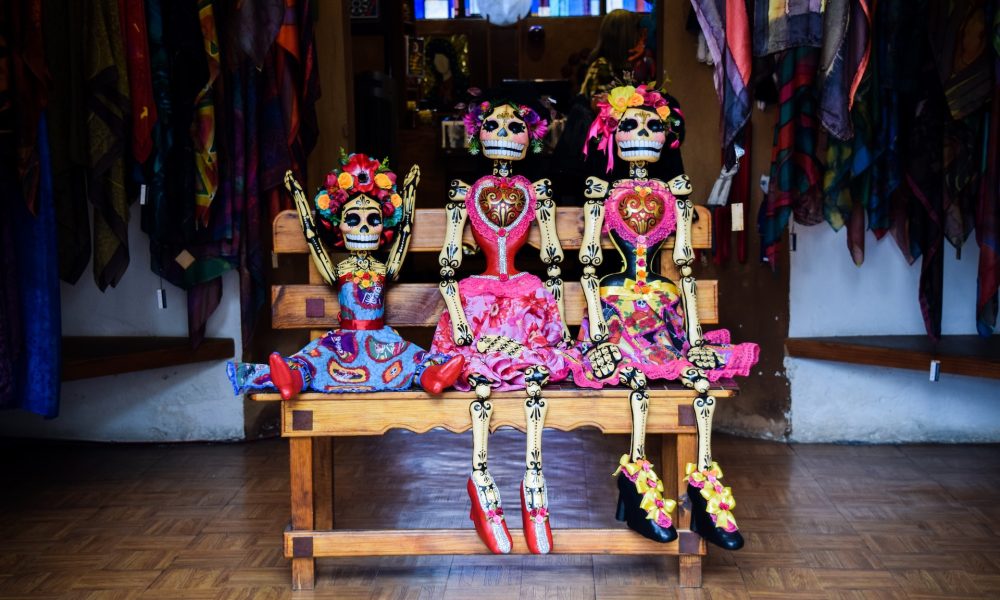
Death in Mexico Means Something Different Now
Mexico once cultivated a “special relationship” with death. But cultural globalization and rising violence is weakening that bond.
-
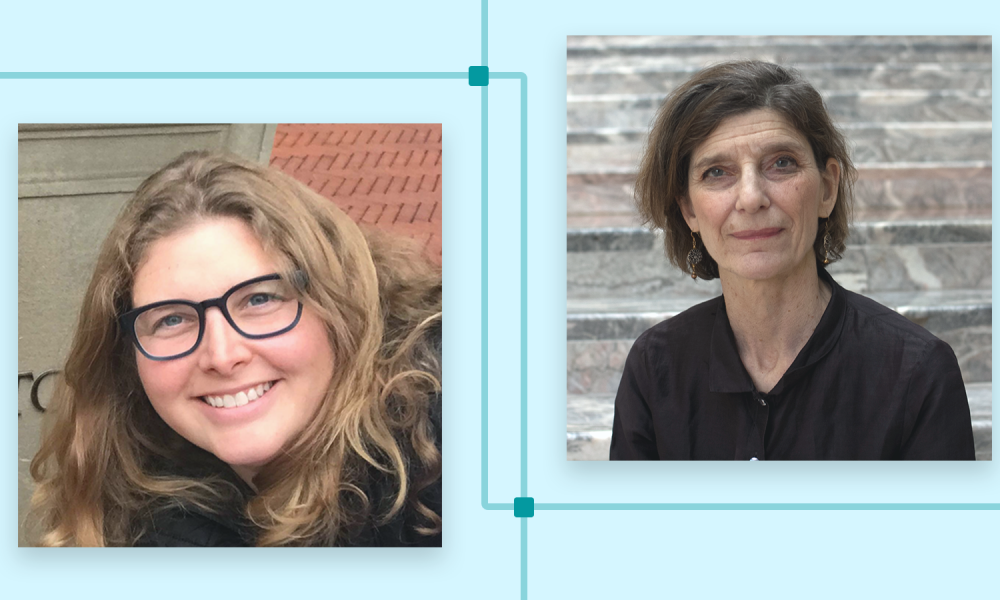
Reading by Translating: Ann Goldstein Talks with Saskia Ziolkowski
In our season finale, Ann Goldstein, renowned translator of Elena Ferrante’s Neapolitan novels, gives a master class in the art and business of translation. Ann speaks to Duke scholar Saskia Ziolkowski and host Aarthi Vadde about being the face of the Ferrante novels, and the curious void that she came to fill in the public…
-
Into the Woods with Yiyun Li
Fairy tales—like Li’s Book of Goose—are so scary because there is no cushion between you and the will of the world, no room for mistakes.