
Category
Reviews
-

The Hypochondriac’s Complaint
“Today, health anxiety is characterized largely by the patient’s relationship with healthcare. The hypochondriac is at once suspicious of medical authority and eager for it to advance.”






-
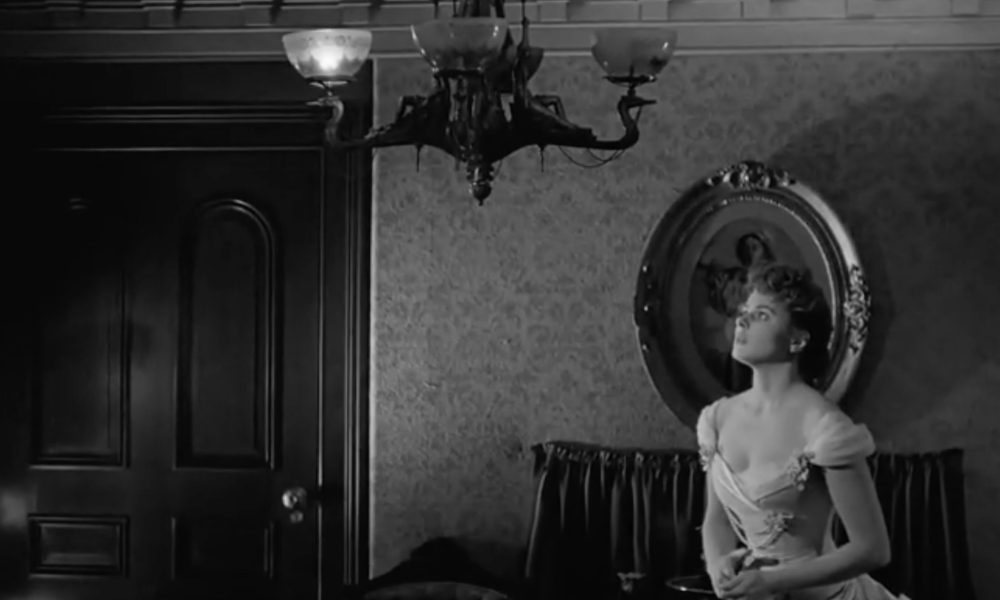
The Lost Ending of “Gaslight” That You Didn’t Know You Needed
The only way to really understand the term is to sit down and watch the harrowing psychological film from which it got its name.
-

Fantasy, Pedantry, and Painting: Stefania Heim and Ara H. Merjian on the Novels of De Chirico
“I came to translating de Chirico very much by accident.”
-
“Radical Powers of Metamorphosis”: On Global Black Cinema
As we follow the camera’s quiet, careful study, we observe—as Fred Moten reflects—that the slave ship also contains the means of its own undoing.
-

B-Sides: Leonard Woolf’s “The Village in the Jungle”
As in Conrad, even when characters think they understand the dynamics of Leonard Woolf’s jungle, they really don’t.
-

Imagining Intruders to Imagine a Nation
We are in a moment that makes clear that the border—as a regime of enmity—can make intruders of us all.
-

The Border is a Technology—Art Can Dispute It
Art practice and speculative imaginaries can be sites of dissent and intervention.
-

Tech, Stones, and Stories: How the Violence of Border Tech is a Historical Matter
Border technologies live within loops of failure → crisis → fix → failure → crisis → fix, eternally to be tested. It will work, promise! Just wait for one more iteration.
-

Borders Are War by Other Means
The border today is and is made through sociotechnical arrangements centering data in the regulation of racial difference.
-

Price-Tag TV and the Transformation of Television Prestige
Apple’s “Price-Tag TV,” to propose a new entrant to the TV name game, is expensive programming about folks who like expensive things, made for viewers who either can’t see or don’t care about the difference between good and expensive.
-

On Our Nightstands: September 2025
A behind-the-scenes look at what Public Books editors and staff have been reading this month.
-
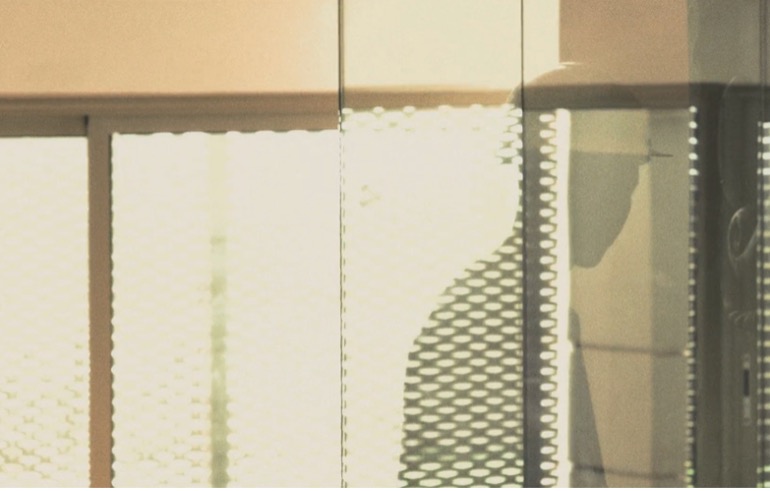
Spectacles of Return: The Silent Labors of “Dahomey”
“Dahomey” narrates the Danxomèan treasures’ epic journey home. And yet, the film remains haunted by the visible and invisible human labor that made this homecoming—and its cinematic telling—possible.
-
Betwixt or Bewitched? Rethinking the “Middlebrow” with Dino Buzzati
Reframed as a “bewitched middlebrow,” Buzzati’s fiction re-enters literary history not as a comforting escape, but as a sharp tool for existential inquiry.
-
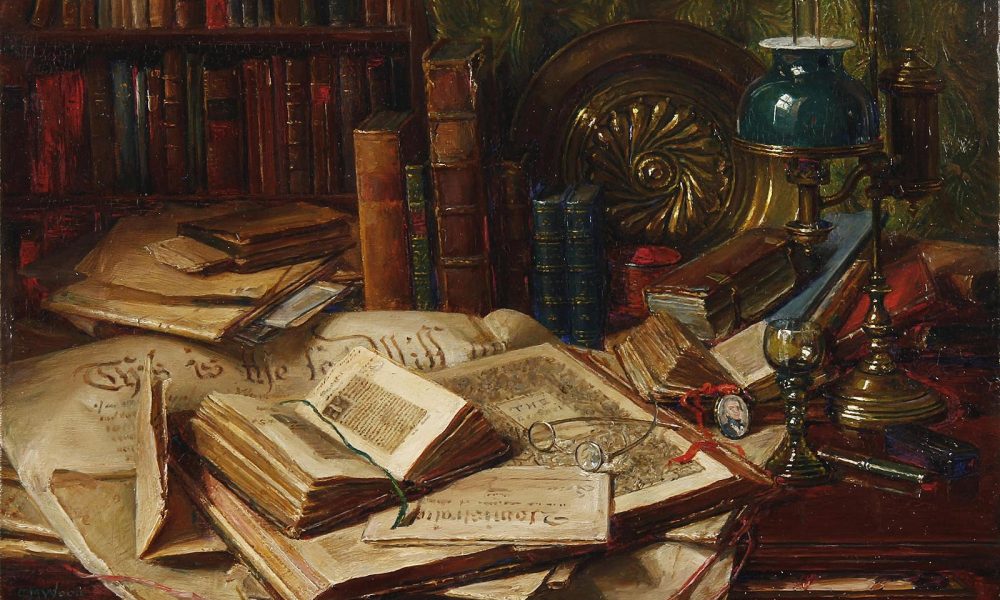
Dark Academia Grows Up
R. F. Kuang uses the confluence of romantasy, academic satire, and dark academia to pose a more interesting set of questions. To wit: What is the magic that scholars find in the academy?
-

With Big Tech, the Border Is Everywhere
Given that the border is already mystified as a technology, new forms of computerized border technologies doubly fetishize the configurations of people, materials, force, and law that compose bordering practices.
-

Our Golden Age of Reading (Online)
There is an urgent need for new, more affirmative ways to participate in culture, especially against the ongoing systematic whiteness of publishing and the exclusivity of elite institutions.
-

“I Will Write to Avenge My Race”: Baglin, Louis, and Ernaux on Class Transition
“When people write about the working-class world, which they rarely do, it is most often because they have left it behind,” admits Didier Eribon, in his 2009 French memoir of class transition, Returning to Reims. “They thereby contribute to perpetuating the social illegitimacy of the people they are speaking of in the very moment of…
-

What Future for College Football?
To reduce the manifold harms of college football, fiery calls for abolition pointed at university decision makers and public health officials won’t get the job done.
-

Will “Care” Save Us?
Three new books examine care not in terms of rights-based independence models but rather new modes of caring.
-

Mute Compulsion
The trauma plot and the slut-shaming dossier are actually parallel formations, reveals “The Guest.”
-
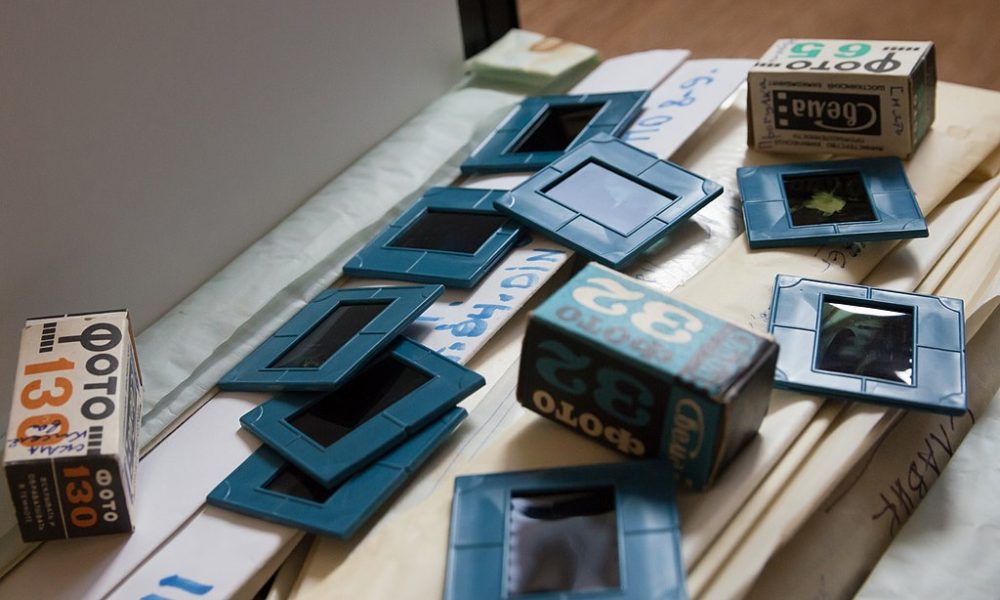
Strangers in the Family Album: Reflections on Soviet Amateur Photography
The appearance of strangers within family photo albums was part of how a Soviet imagined and imaged community was constructed and sustained.