
Category
Reviews
-

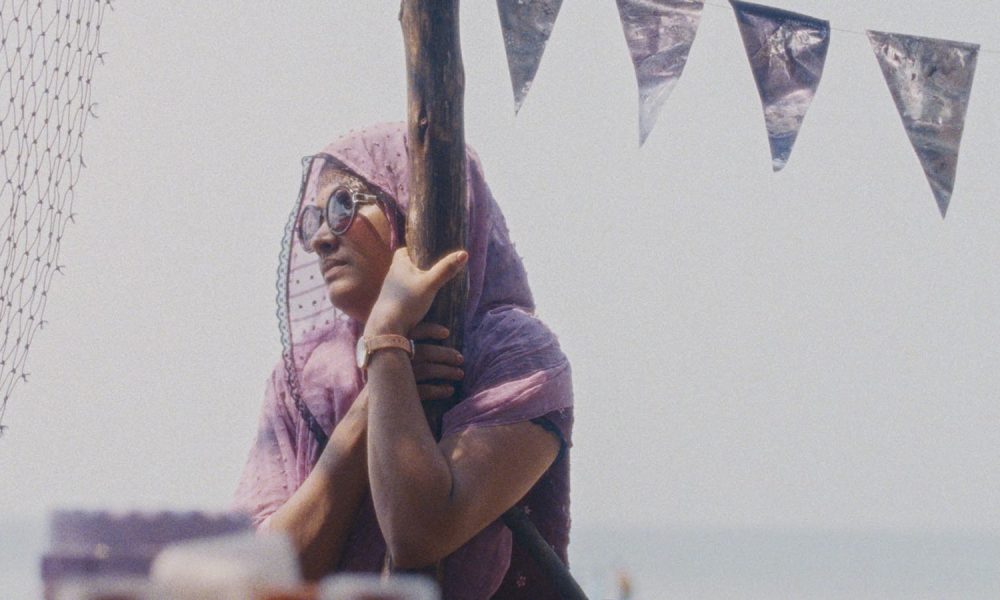
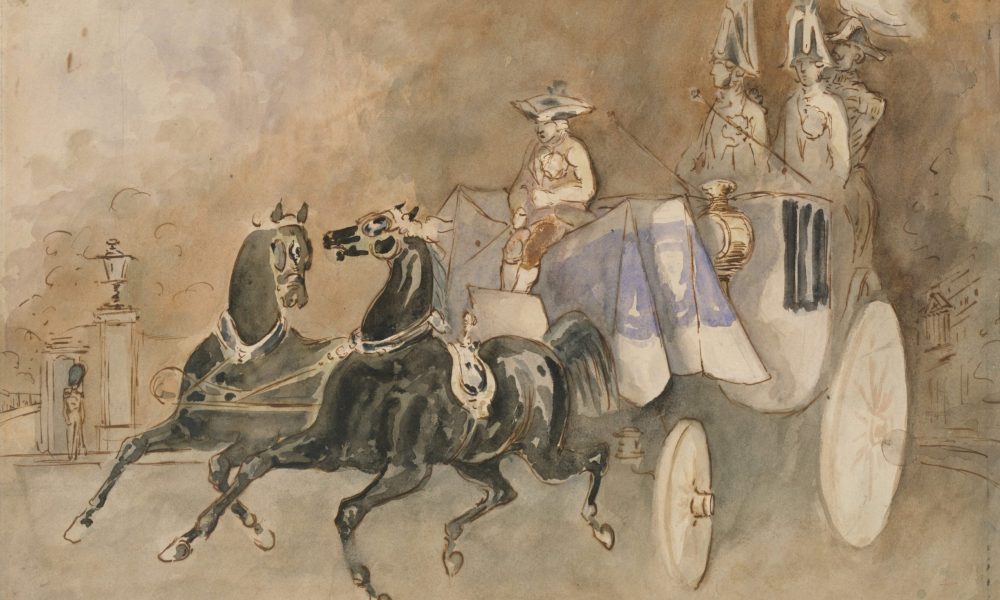
The Hypochondriac’s Complaint
“Today, health anxiety is characterized largely by the patient’s relationship with healthcare. The hypochondriac is at once suspicious of medical authority and eager for it to advance.”






-
The Iliad: A Romance
The first thing that needs to be said about the winner of this year’s Orange Prize for Fiction—The Song of Achilles, a retelling of the Iliad by first-time novelist Madeline Miller—is that it is a pleasure to read a version of the Trojan war in which Achilles and Patroclus are in a devoted partnership, sex…
-

Powerful Images Recollected in Tranquility
Lila Quintero Weaver’s Darkroom: A Memoir in Black and White takes advantage of the generic pluralism comics have enjoyed, or suffered, since becoming “respectable” in the mid-1980s. Expertly drawn with pencil, ink, and gouache, with a dash of Adobe InDesign, this coming-of-age memoir is also an immigrant story of the author’s Argentinian family and a unique…
-

Raging Against Obscurity
Two recent books give new spins on the artist’s life: both writers had raging youths but one got famous and one didn’t. Jeanette Winterson and Eileen Myles, tough, smart, ambitious women who escaped the hard-laboring worlds into which they were born, grapple with what it means to seek literary fame. Myles’s Inferno is a grand and…
-
The Great [National] Novel
When Capital was published in Great Britain earlier this year, it was immediately heralded as the first important novel about the recent financial crisis. And this made sense since its author, John Lanchester, had already published, in addition to three other novels, an unusually cogent account of that crisis, I.O.U.: Why Everyone Owes Everyone and…
-

Lives at the Urban Margins
“Every great city,” wrote Friedrich Engels, in The Condition of the Working Class in England, “has one or more slums, where the working-class is crowded together. True, poverty often dwells in hidden alleys close to the palaces of the rich; but, in general, a separate territory has been assigned to it, where, removed from the…
-
Rhythms of Risk: The Rise, Fall, and Rise of Silicon Alley
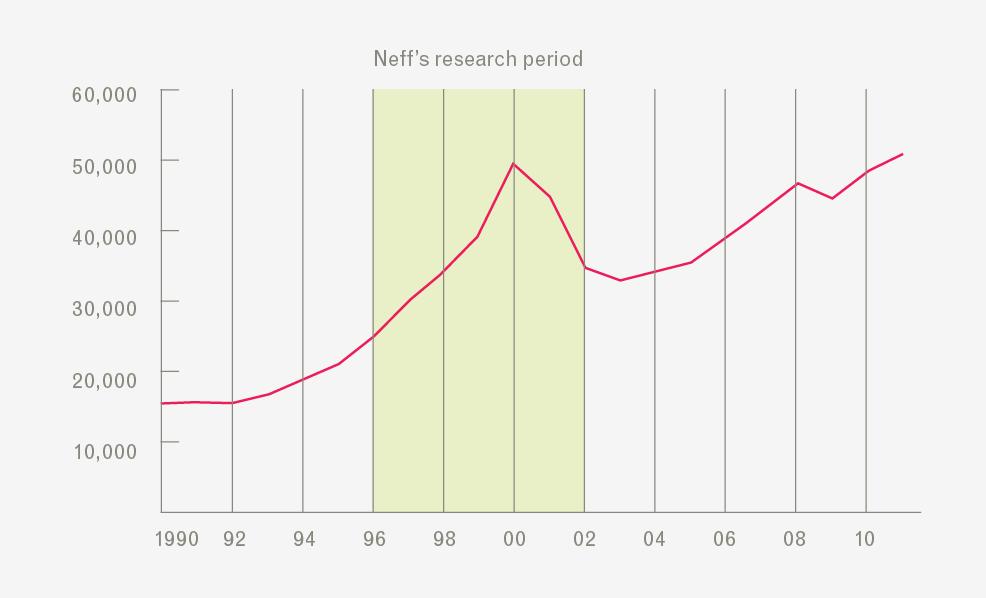
Dubbed “Silicon Alley” in the mid 1990s, New York’s tech scene at the turn of the millennium was a nexus of youth, cool, and well-paid creative jobs for geeks, artists, and writers. When it contracted, in 2002 many 20-something workers faced not only their own lay-offs, but what felt like the demise of an entire…
-

The Janus Face of Conscience
Throughout the summer of 1938, Paul Gruninger was in charge of policing a small section of the Swiss border. A captain in the canton of St. Gallen, his job was to prevent entry from Nazi-controlled Austria. Germany had annexed Austria a few months previously, and thousands of Jews were by now trying to flee, but…
-

Virtual Roundtable on Amy Waldman’sThe Submission
Last fall Public Books sponsored a lively roundtable discussion of Amy Waldman’s widely praised novel The Submission (Farrar, Straus and Giroux, 2011), which considers what might have happened if the winner of an anonymous architectural design competition for a Ground Zero memorial had been an American Muslim. The novel poses questions about our obligations as…
-
Dollars and Sex
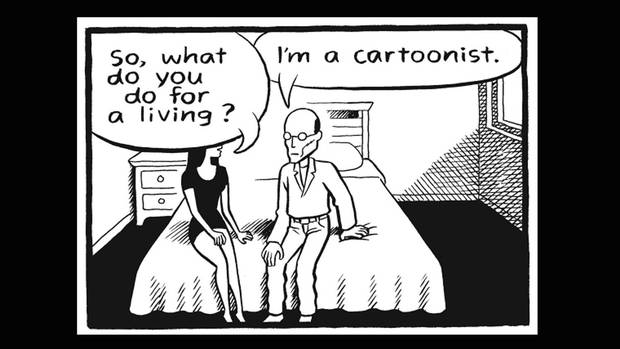
House of Holes, Nicholson Baker’s celebrated return to dirty fiction, conjures an alternate sexual universe, where a broad range of heterosexual men and women (and one detached male body part) find deep, gushing satisfaction with one another, largely unconstrained by the anxieties, frustrations, and misunderstandings that bedevil modern sexuality. Slipping out of their unfulfilling lives…
-
Realism with Benefits: Of Zombies and Commuters
What’s ordinary these days in fiction (at least Anglo-American fiction) is the lives and loves of two or three school chums, what happens to them as they wander out into the post-school world, what secrets emerge and how their relationships get rearranged. You’ve seen this pattern recently (think The Sense of an Ending), maybe more…
-
A Conversation with Ellis Avery
Set in 1927 Paris, The Last Nude is inspired by the Russo-Polish Art Deco painter Tamara de Lempicka and the young woman who modeled for her most famous painting, Beautiful Rafaela. De Lempicka met Rafaela on a walk in the Bois de Boulogne and drove her back to the studio: the two women became lovers,…
-

The Rise of Finance
In a February 2011 interview, the United States Treasury secretary insisted that the future of the American economy depends upon the continued growth of its financial sector. “I don’t have any enthusiasm,” said Timothy Geithner, for “trying to shrink the relative importance of the financial system in our economy as a test of reform, because…
-
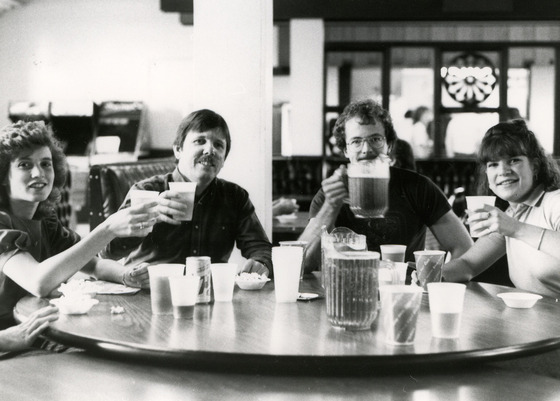
The Euphoria of Influence: Jeffrey Eugenides’s “The Marriage Plot”
In The Marriage Plot, Jeffrey Eugenides asks what would happen if nineteenth-century literature married twentieth-century theory, and the result is many brilliant novels in one: a romance, a coming-of-age story, a travelogue, an account of madness, and a tale of religious quest. Its protagonists are Brown University students, Class of 1982, which also makes The…