Tag
B-Sides
-

B-Sides: Albert O. Hirschman’s “The Passions and the Interests”
“The Passions and the Interests” charms the reader as it persuades. Much of that charm is about its content as well as its style.





-

After “Abortion”: A 1966 Book and the World That It Made
Before the book’s publication, no one, it seemed, wanted to talk about abortion publicly. But something changed with when the book finally arrived in 1966.
-

B-Sides: Rebecca West’s “The Fountain Overflows”
Do you find child narrators–their perceptiveness as well as their misprisions, their loyalties, their prejudices–endlessly absorbing?
-

B-Sides: Leonard Woolf’s “The Village in the Jungle”
As in Conrad, even when characters think they understand the dynamics of Leonard Woolf’s jungle, they really don’t.
-

B-Sides: Stendhal’s “Love”
Are you a banker or a manufacturer or an industrialist? If so, Stendhal doesn’t want you to read “Love”; you wouldn’t understand.
-
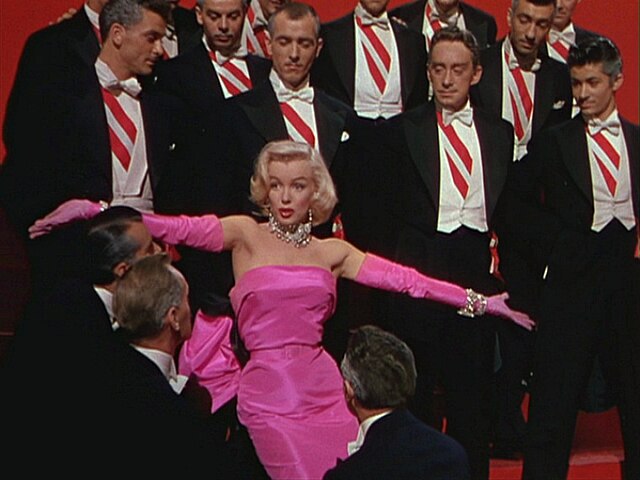
B-Sides: Anita Loos’s “Gentlemen Prefer Blondes”
Lorelei accelerates the world around her. It is foolish to try to settle accounts while in her orbit. This is a problem for not only bookkeeping but also psychoanalysis.
-

“Lying in Politics”: Hannah Arendt’s Antidote to Anticipatory Despair
Four months in, the new Trump administration is already moving from self-deception and deception on to “image making” and “ideologizing”; it is fast approaching complete “defactualization.”
-
B-Sides: Percival Everett’s “Wounded”
“Wounded,” by shutting down fictions of escape, shows readers the struggle for safety is a shared one.
-

B-Sides: “Under the Sea-Wind” by Rachel Carson
Bill McKibben proclaimed nature’s demise in 1989. But Americans who cared about DDT’s poisonous effect and the extinctions that would follow had been warned almost three decades earlier. Rachel Carson’s Silent Spring (1962) famously opens by imagining a world denuded of plant and animal life. In fact, it wasn’t only Americans Carson managed to terrify.…
-

B-Sides: Menander’s “Dyskolos”
The arc of any romantic comedy remains incomplete until the misanthrope is brought into the fold of society.
-

B-Sides: Gloria Steinem’s “The Beach Book”
In Gloria Steinem’s now-forgotten first book, she offers detailed instructions on how to build a sandcastle, how to tan, how to peel if you burn, and more.
-
B-Sides: Anthony Veasna So’s “Afterparties”
In “Afterparties,” Anthony Veasna So explores the American dream’s false promise of a profitable, progressive futurity.
-
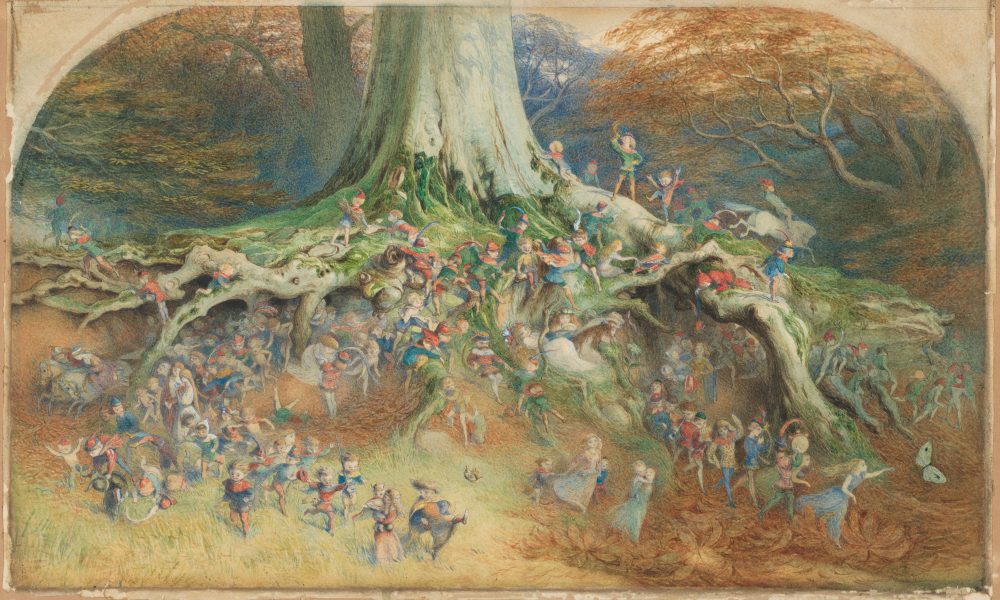
B-Sides: L. Frank Baum’s “The Enchanted Island of Yew”
Many know L. Frank Baum for writing the book that inspired the 1939 film “The Wizard of Oz.” However, like any good magician, Baum had a lot more up his sleeve.
-
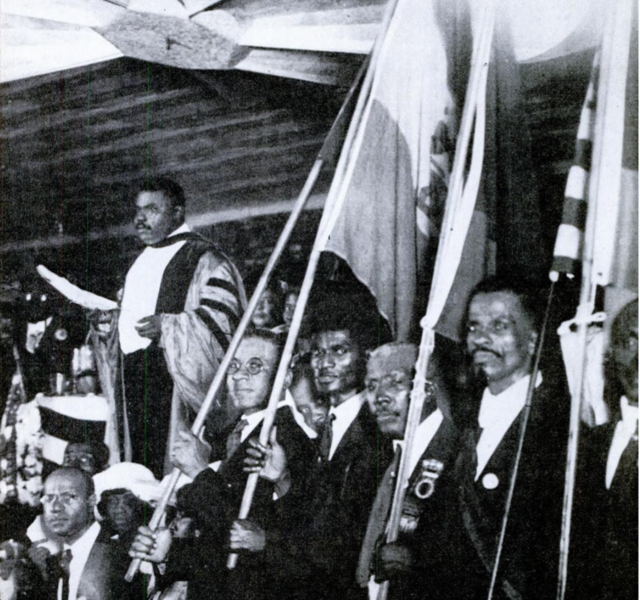
B-Sides: George S. Schuyler’s “Black Empire”
“Black Empire” ends with an international revolution, led by a heroic Black genius preaching empowerment; it ends with a continental dictator clutching power through unremittent cruelty and cries of racial supremacy. Both statements are true.
-

B-Sides: Joyce Carol Oates’s “them”
“‘Them’ remakes the naturalist tradition of novels for a society that seems … incapable of ending an addiction to racist violence.”
-

B-Sides: Neil M. Gunn’s “Highland River”
Freud taught that childhoods shape our adult selves with unresolved trauma. But this novel shows that childhood joy can shape adulthood, too.
-

B-Sides: Georges Perec’s “W, or the Memory of Childhood”
One of the strangest, most devastating works of Holocaust literature is about games.
-

B-Sides: Colson Whitehead’s “Apex Hides the Hurt”
“Whitehead’s satire takes aim … at a capitalist system that senses the profits to be made from proclaiming that systemic racism is a thing of the past.”
-

B-Sides: George Eliot’s “The Spanish Gypsy”
If George Eliot was interested in religious coexistence, she was also interested in unbelief.
-
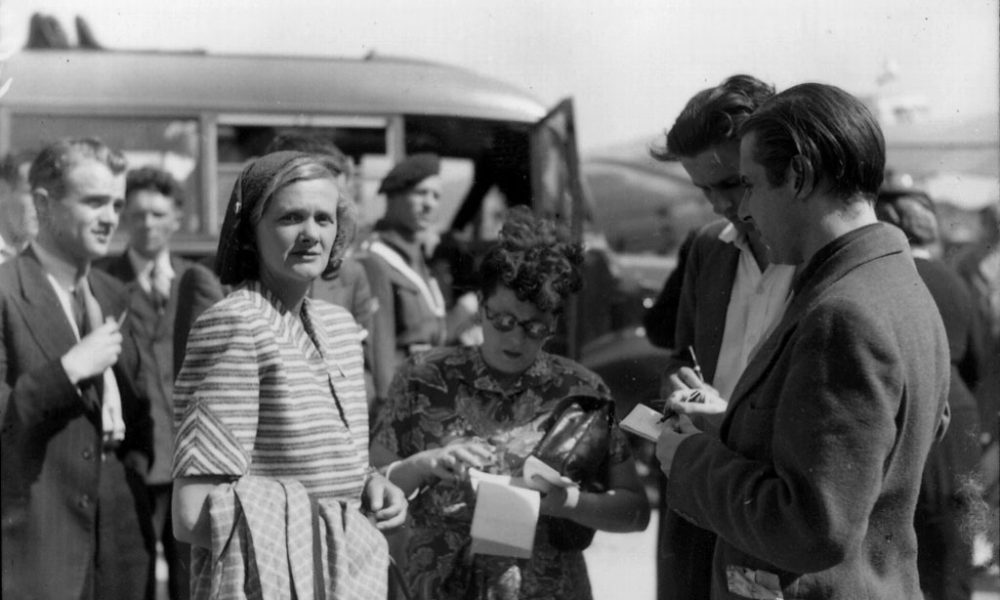
B-Sides: Daphne Du Maurier, “Monte Verità”
Few writers have been as beloved by readers and underrated by reviewers as Daphne du Maurier. What irked them?
-

B-Sides: Haruki Murakami’s “After the Quake”
How, Murakami asks, can community after the earthquake be structured around self-reflection rather than cruelty?