Tag
University of Chicago Press
-

Cloth and Complicity: Seth Rockman on Plantations, Textiles, and the Art of Weaving
“But I had found a set of instructions in the archives of one of New England’s leading manufacturers of low-end woollen cloth for enslaved wearers.”







-
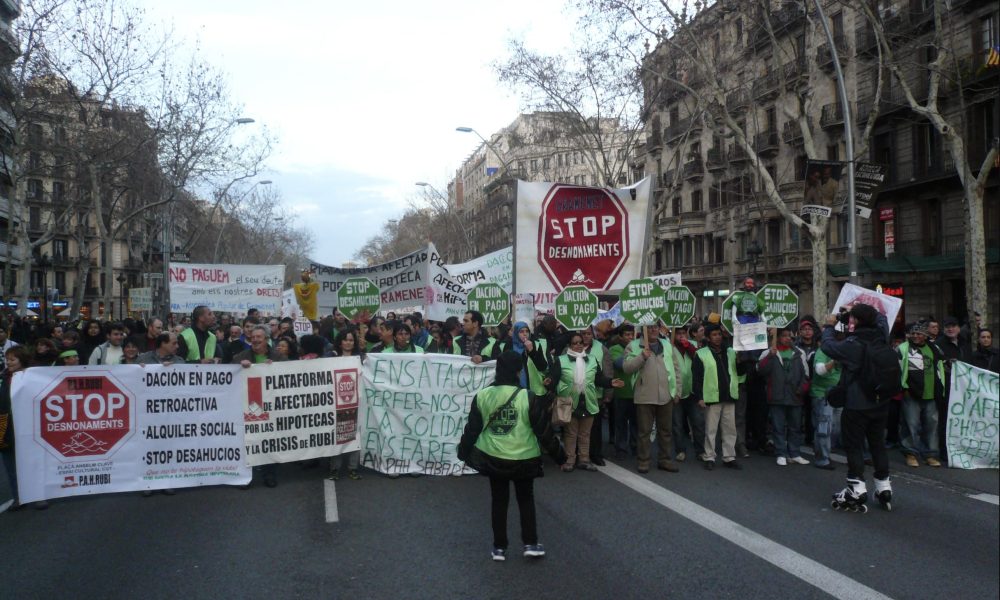
What Works: Lessons on Fighting Oppression and Building Power From Across the Globe
When, how, and why does collective organizing achieve positive effects for those engaging in this difficult, and oftentimes risky, endeavor?
-

Interpret or Judge?: John Guillory on the Future of Literary Criticism
“‘Professing criticism’ is a contradiction and maybe even an impossibility. I’d like to hope that it’s not, that it’s just an innovation, historically.”
-

Surfing; Or How to Consume a Beach
The keys to surfing—wetsuits, surf forecasting, and surfboard manufacturing—emerged from Southern California’s military-industrial complex.
-

This Is Your Brain on Books
“Reading occupies a strange position in today’s world, being at once physiologically unnecessary and culturally central.”
-
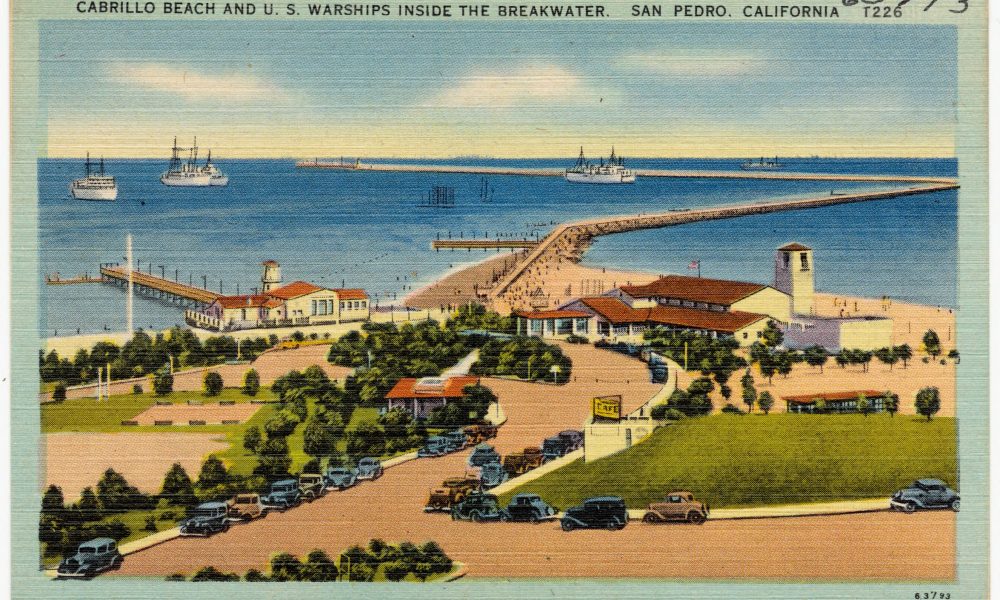
Oil and Injury in Los Angeles
The city’s ports may be physically located in the imperial core—inside the barricades of the USA—but their tendrils span the globe.
-

What Really Makes Cities Global?
To ask what kind of city Los Angeles is today is, also, to wonder what kind of city it could be tomorrow.
-
Neoliberal Keywords: Creative, Passionate, Confident
When did we all become so empowered, passionate, and self-enterprising?
-

Finding the Latinx City with Mike Amezcua and Pedro A. Regalado
“Sometimes Latino urban history is thought of as the history of a cultural community and that’s a little dismissive. I examine people contesting and reshaping the use of space.”
-

Dual Use: When Technology Both Helps and Hurts
The struggle between the use of math for benevolent or malevolent purposes carries from at least WWII into today’s debates on AI.
-
Ogden & Hardwick’s Everyday Enigmas
“Good afternoon, ma’am. Do you ever feel that it is so hard to know how to be happy?”
-
Nonprofit Neighborhoods: How Not to Fight Poverty
Wishing to end poverty “wherever it existed,” LBJ acted not with government aid, but with a non-profit. The results have been catastrophic.
-

“Maybe it wasn’t a Narrative at All”: Three Poetry Collections
The best poets tend to trouble conventions, including those they find necessary.
-

“I Speak Only for Myself”: Anahid Nersessian on Keats, Feminism, and Poetry
“One of the things that is interesting about Keats’ letters to Fanny Brawne is that you can’t infer a damn thing that’s happened between them.”
-

-

Reading after the University
If you want to support readers, the best hope will always be helping do away with economic compulsion and the division of labor.
-

“Work More, Consume Less”: How Austerity Coerces
The true purpose of austerity is to permanently and structurally extract resources from the many to the few.
-

Public Thinker: Jaipreet Virdi on Disability History & Deaf Futures
“Disabled people have long made their own hacks.”
-

Invitations to the Voyage
Three new poetry collections depart on a cosmic journey to reckon with ecology and our relations to a suffering earth.
-

The Text: Do Not Disturb
Does loving a work of literature mean seizing it? How should critics feel about their feelings toward a text?
-
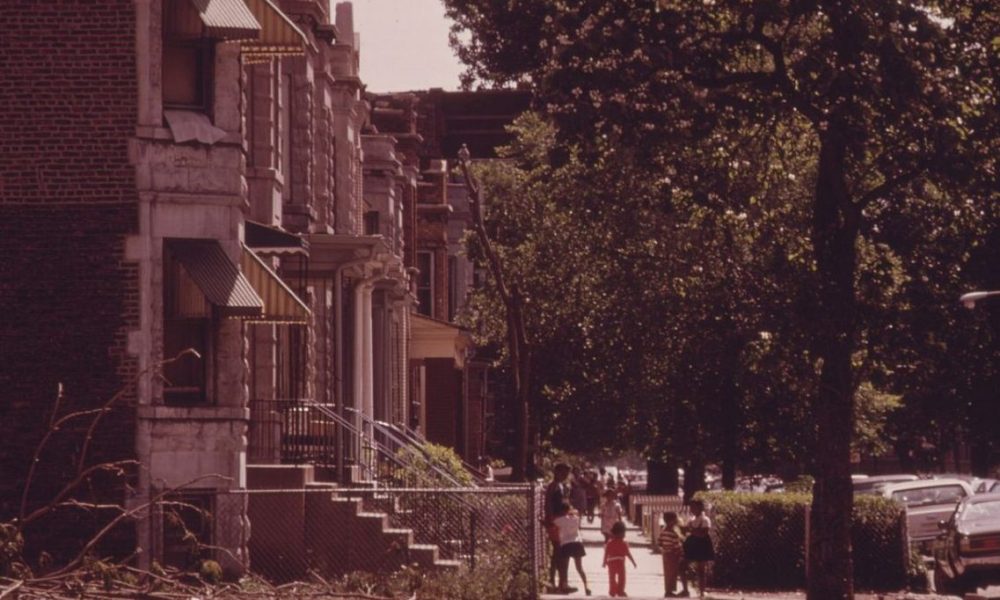
Is “Regulation from Below” Possible?
A powerful grassroots movement campaigned in the ’70s and ’80s for banks to reinvest equitably in red-lined urban communities. It failed—but why?