Section
Poetry
-
Two Ways of Disliking Poetry
When I was fourteen, a friend invited me to stay a week with his family on the Outer Banks. What I remember most vividly about that week is a book.



-
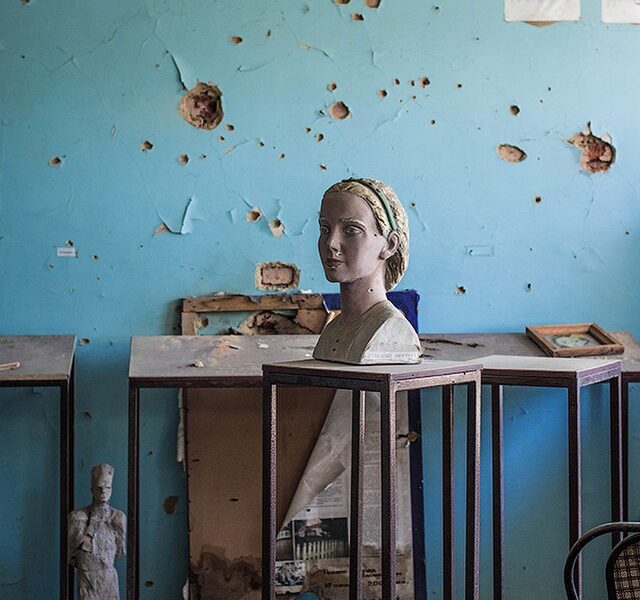
“Only the Northern Lights”: The Russo-Ukrainian War and Its Poets
These poets unsettle a collective sense of melancholy into a generative force, from which a transformed historical imagination can emerge.
-
Frivolity Is Not Unserious
“When we try to write about trauma, no matter what the trauma we wish to explore, it’s the poet’s job to do their homework.”
-
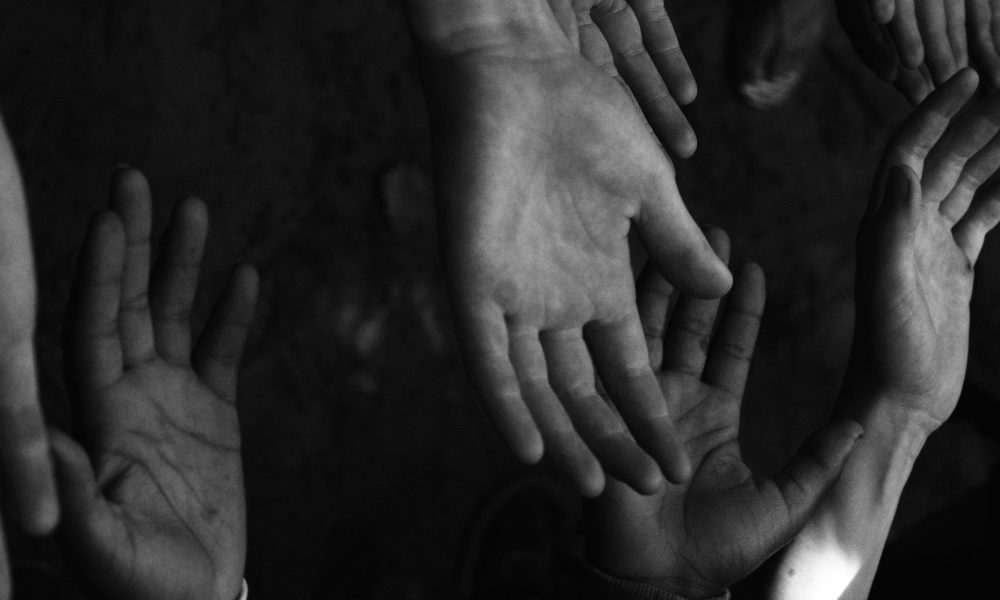
“Our Hands”: Reading with DeafBlind Poet John Lee Clark
Clark’s poetry collection questions how those excluded from spoken conversation devise new avenues for transmission.
-
“Maybe it wasn’t a Narrative at All”: Three Poetry Collections
The best poets tend to trouble conventions, including those they find necessary.
-
Invitations to the Voyage
Three new poetry collections depart on a cosmic journey to reckon with ecology and our relations to a suffering earth.
-
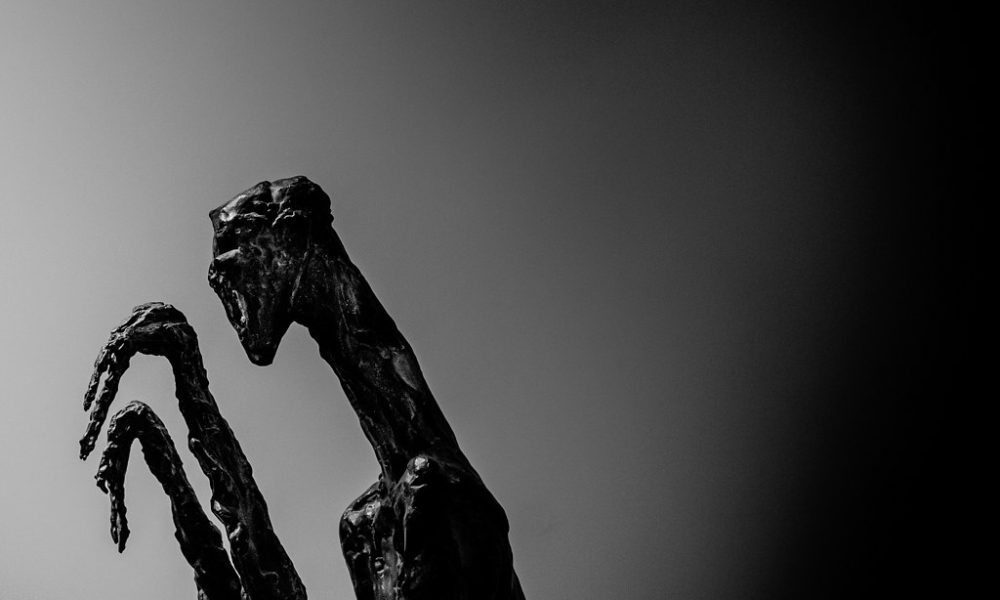
“Beowulf”: A Horror Show
Maria Dahvana Headley’s translation of “Beowulf” forces us to think about what we need to be true about the past, and our access to it.
-
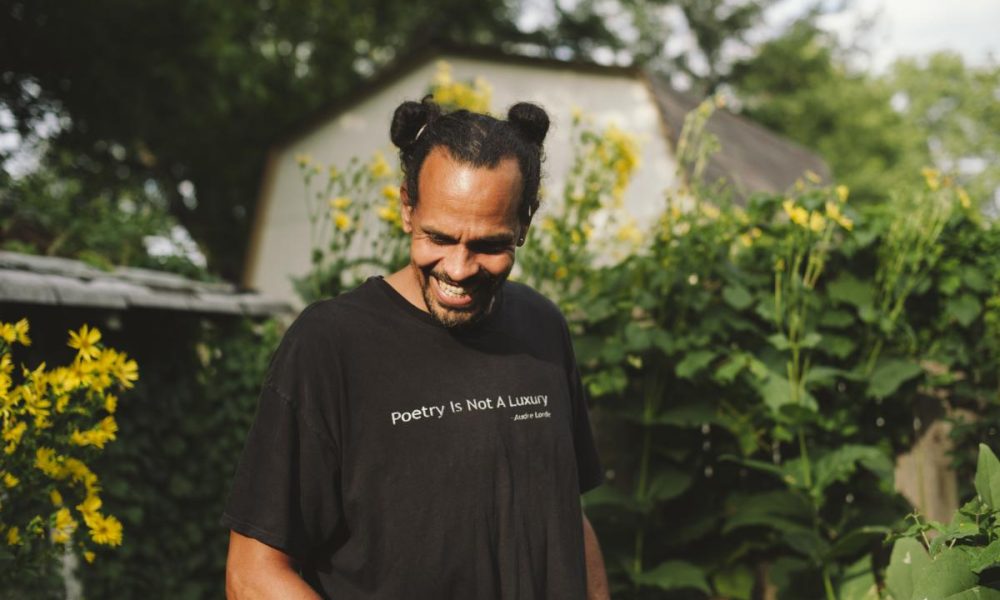
Beholding Black Life: A Conversation with Ross Gay, Frank Guridy, & Deborah Paredez
“We have to witness everything… You don’t do it by yourself. That mode of looking is not like any individual feat; it is a feat of joining.”
-

Poetry for the Deluge
Amid this turbulent present, can poetry call attention to creative forms of survival and persistence, human and nonhuman?
-
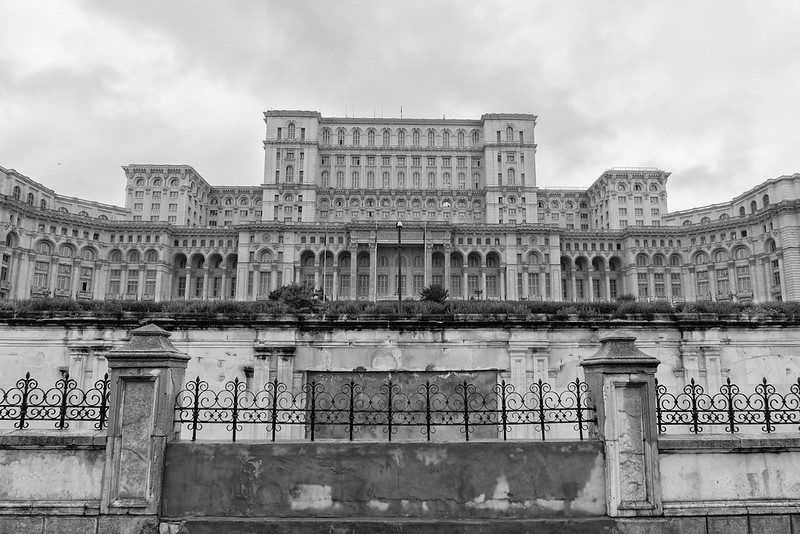
Seek, Memory …
If memory is an unreliable narrator, how can it be the medium through which we arrive at the truth about ourselves?
-
-
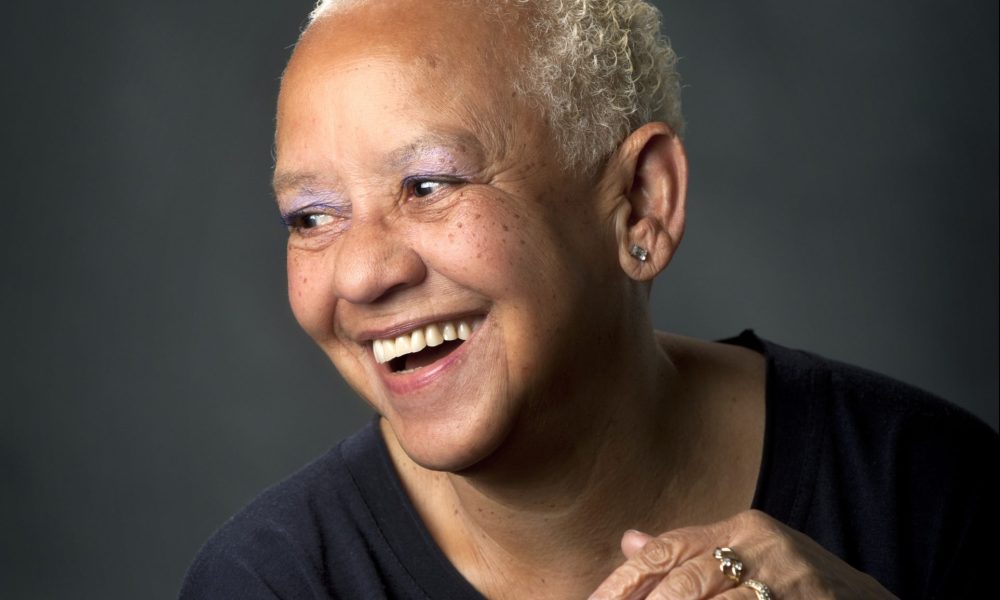
Lyn Hejinian’s “Allegorical Activism”
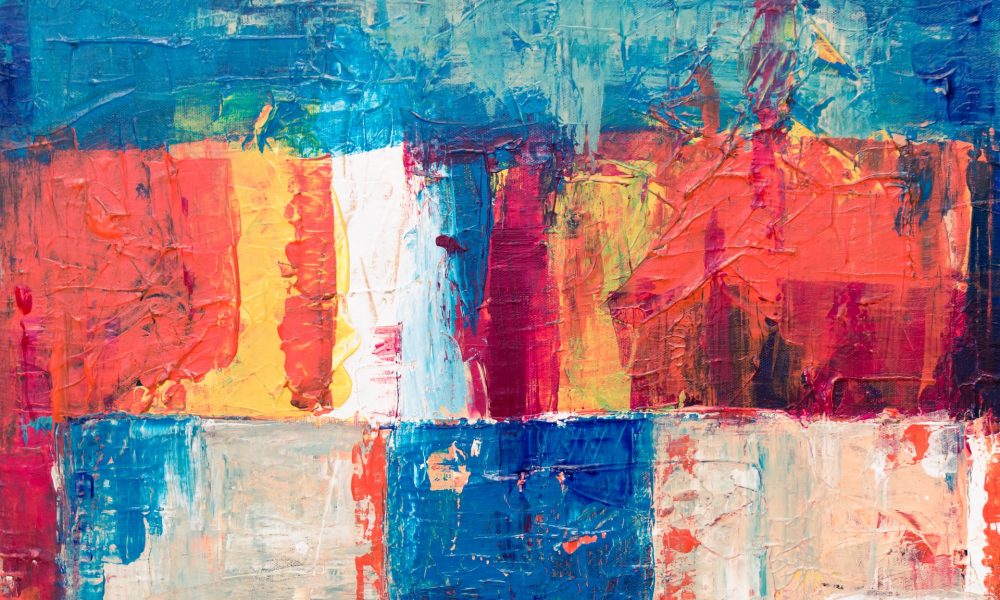
The revelrous, rebellious writing of Hejinian—arguably our foremost poet-critic—works against our sense of psychological and political isolation.
-

When Poetry Summons the Dead
The dead, the disappeared, and the forgotten—these Iberian poems make clear—can never be safely put away.
-

The Direction of Beginning
These poems undo the cultural invisibility of America’s Native Nations. They also, with unique abundance, secure the value of poetry itself.
-
Four Ways to Ruin Dante—and One to Save Him
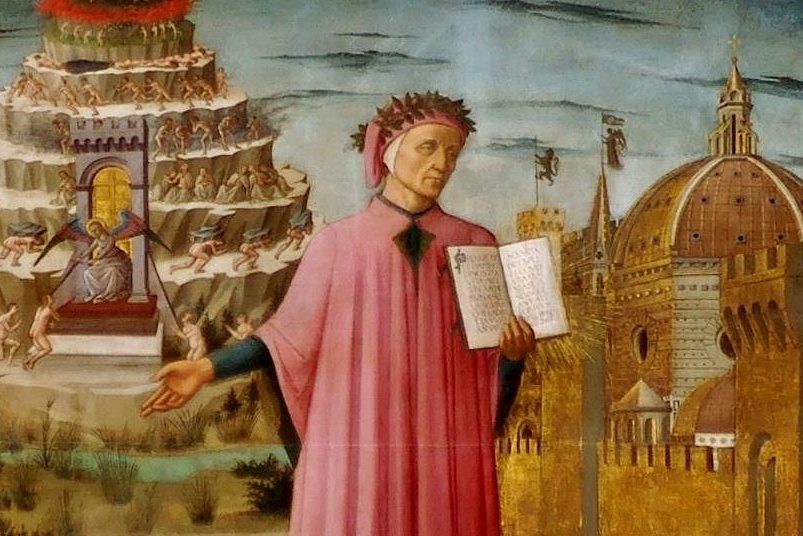
Why would Dante need help? Because if the poet’s only readers are Dante scholars, then we’ll all lose out. Dante deserves better, and so do we.
-
The Poetics of Abolition
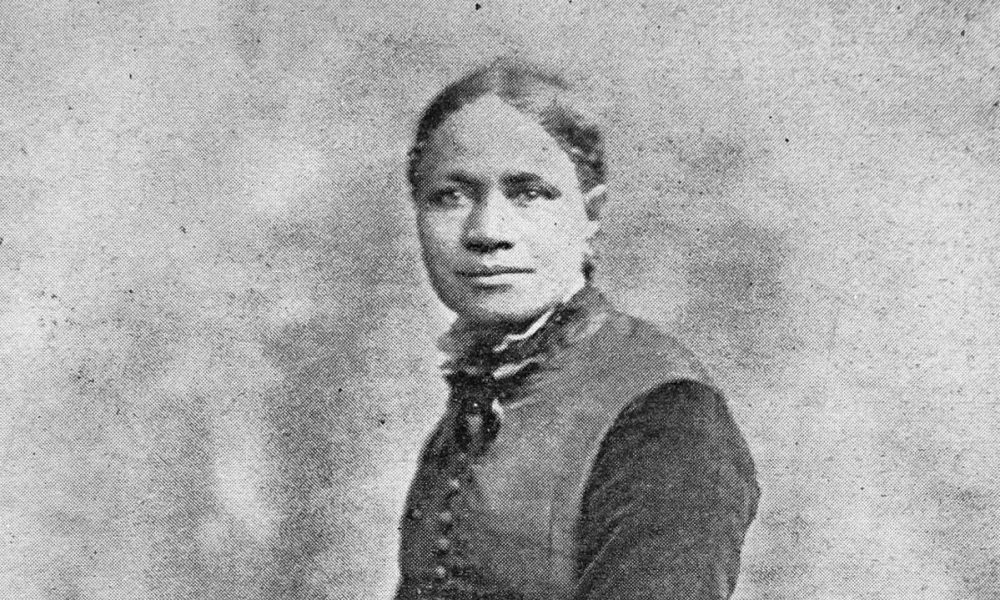
For poet Honorée Fanonne Jeffers, as for the Black Romantics, history is the repetition of anti-Black violence that has yet to be abolished.
-
Re-Word the World: On “Sonnet’s Shakespeare”
What happens when we dismantle the monumental status of a figure like Shakespeare in the canon? What other voices rise to describe the world?
-
Re-embodying Palestinian Memory
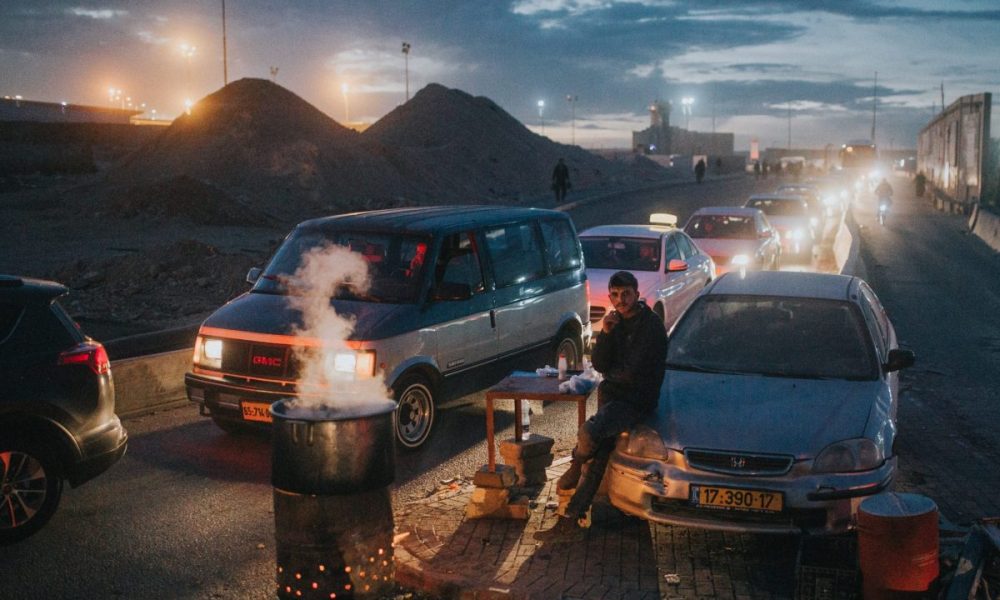
A recent flourishing of Palestinian literature reckons with complications in historical memory caused by settler colonialism.
-

This Is Not an Essay on Poetry of the Past 20 Years
I am tired of catalogues and catalogue poems, and of surveys and surveillance—though I appreciate a bird’s-eye view of the terrain as well as anyone.[none-for-homepage]
-

The Metalyrical Moment
Three recent poetry collections have cemented the rise of what we might call the “metalyrical”: poetry that interrogates the conditions of its own expression.
-
Unruly Objects
By making familiar objects strange, two new books of poetry reveal the limits of overly simple critique.