Tag
Novel
-
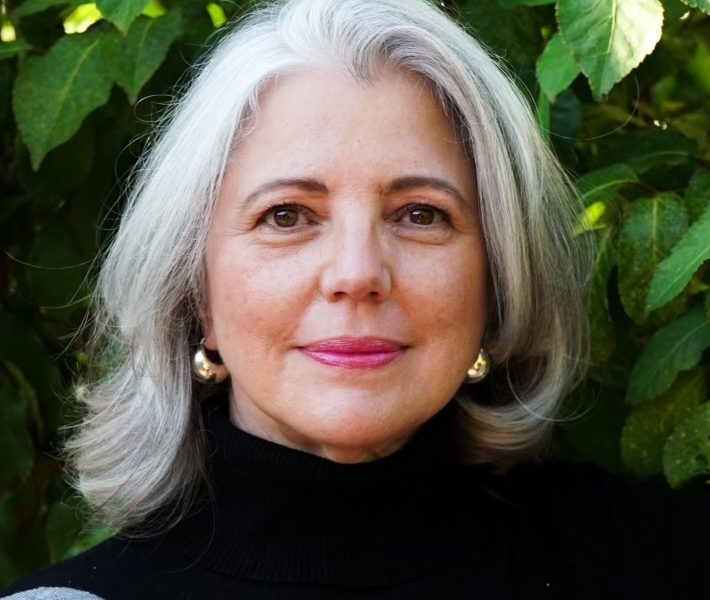
Mirta Ojito on “Deeper than the Ocean”
“I gave her my love for Spain, and particularly the north of Spain, and particularly the city of Santander. And I gave her my fears. I too, fear the ocean.”





-
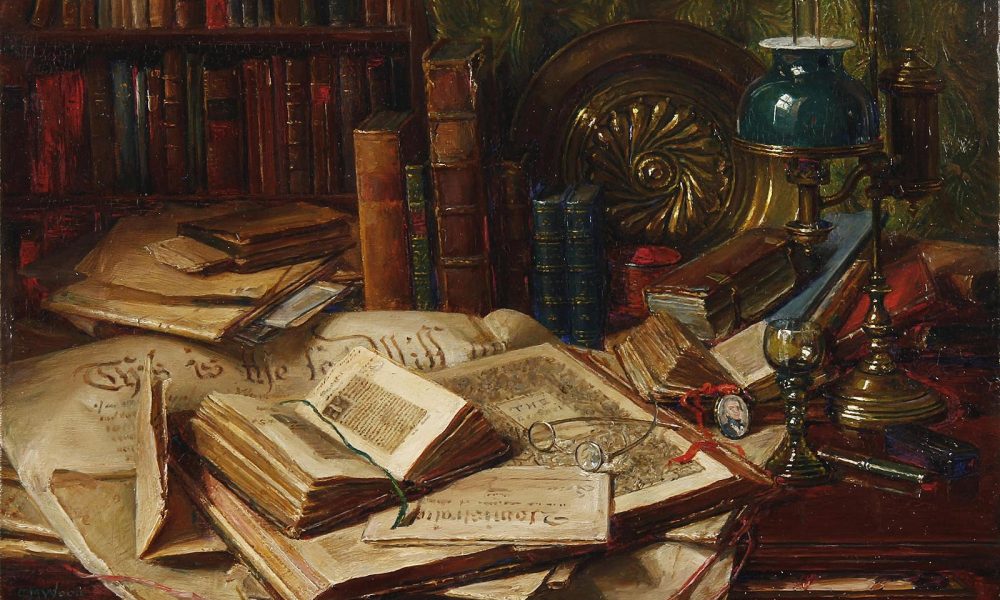
Dark Academia Grows Up
R. F. Kuang uses the confluence of romantasy, academic satire, and dark academia to pose a more interesting set of questions. To wit: What is the magic that scholars find in the academy?
-

“I Will Write to Avenge My Race”: Baglin, Louis, and Ernaux on Class Transition
“When people write about the working-class world, which they rarely do, it is most often because they have left it behind,” admits Didier Eribon, in his 2009 French memoir of class transition, Returning to Reims. “They thereby contribute to perpetuating the social illegitimacy of the people they are speaking of in the very moment of…
-

Mute Compulsion
The trauma plot and the slut-shaming dossier are actually parallel formations, reveals “The Guest.”
-
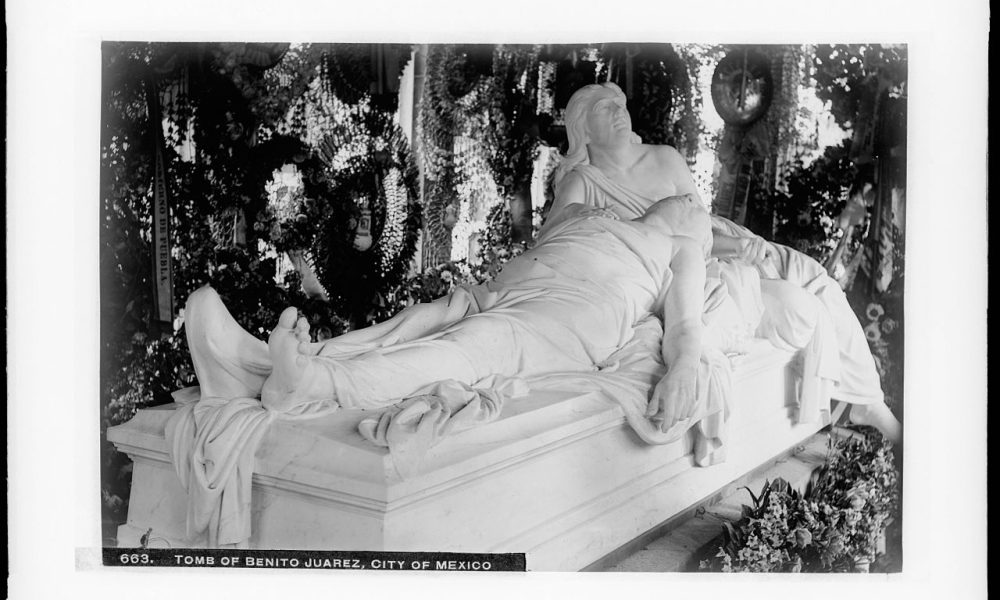
Once upon a Time in Tenoxtitlan
Two novels published in 2024 return to some of the best-known, canonical figures and episodes from Mexico’s past.
-
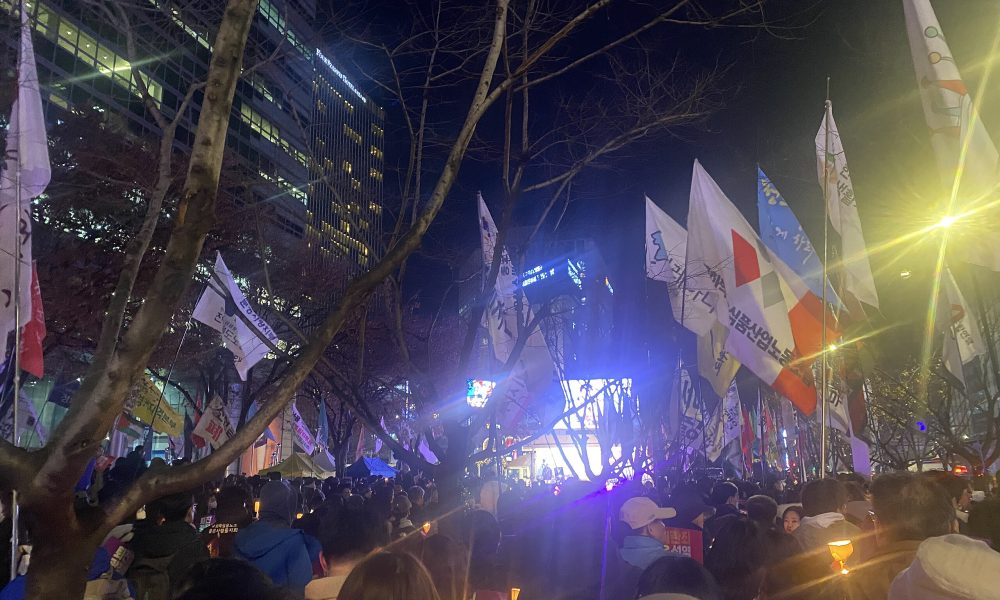
“Can the Dead Save the Living?”: Reading Han Kang During South Korea’s Martial Law Crisis
Can literature, by preserving past trauma, stop history from repeating itself?
-
Time Interpolated
Disruptive and restorative, interpolation is the paradoxical form of life, literature, and time itself.
-
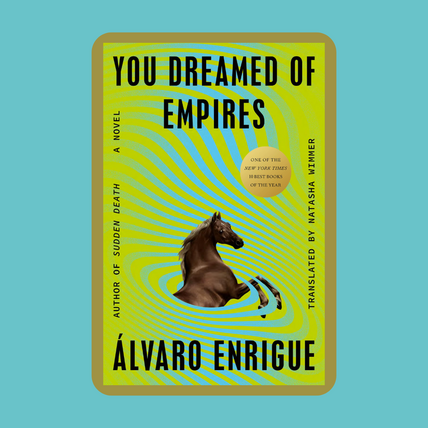
We Better Laugh About It: Álvaro Enrigue and Maia Gil’Adí
Our partner podcast Novel Dialogue invites a novelist and a literary critic to talk about novels from every angle: how we read them, write them, publish them, and remember them. This season’s signature question is: If you could spend a year anywhere, where, when, and how would you spend it? Álvaro Enrigue and critic Maia Gil’Adí…
-
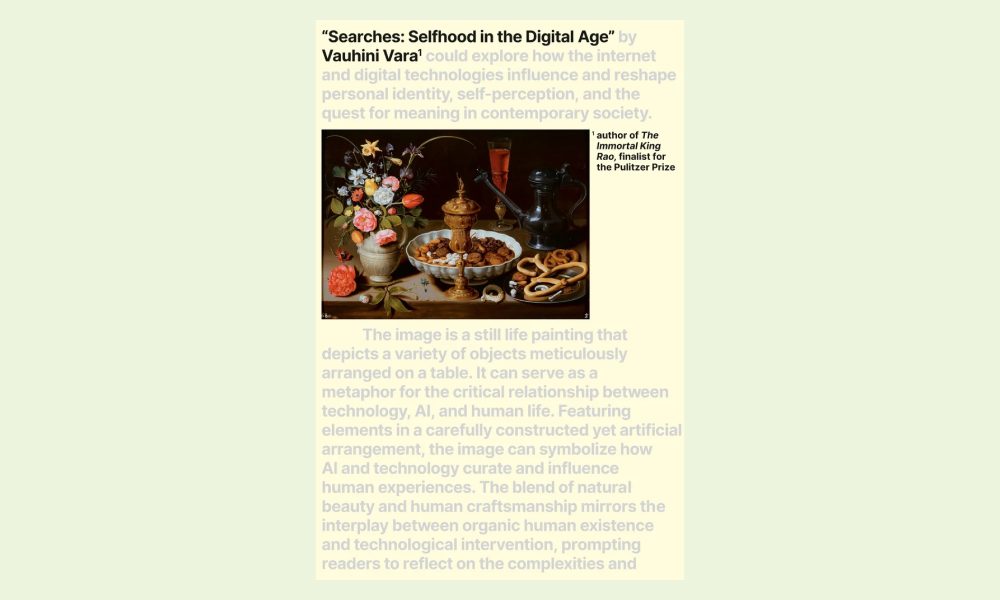
Who Owns These Tools?: Vauhini Vara and Aarthi Vadde
“The desire for that sort of purist kind of connection that one might call communion, is something that I’m interested in in all of my work.”
-

Aria Aber’s Defiant Love Letter to Berlin
“The experiences of coming of age and coming into art—of finding your own voice and a vision for your craft—are spiritual and psychological journeys, and, for lack of a better word, universal.”
-
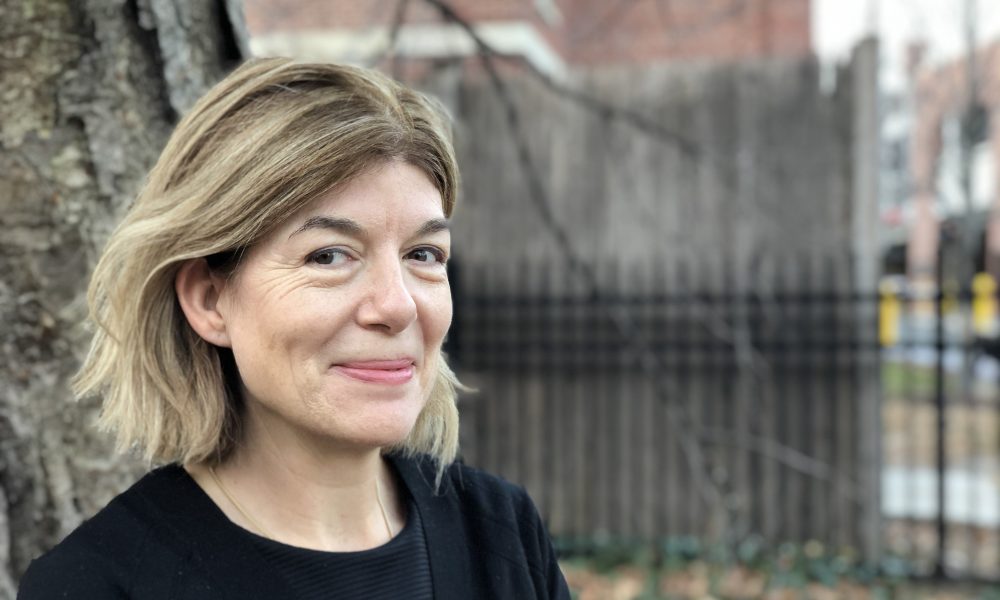
“Who Made These Rules?”: Claire Messud on What’s Distracting from Good Writing
“I believe in the amazing complexities of what we can express and convey in language if people will only make the effort and take the time.”
-
When Language Is Lost, What Can Be Gained?
Aphasia brings up existential questions that get at the heart of human connection: Who are we without language?
-
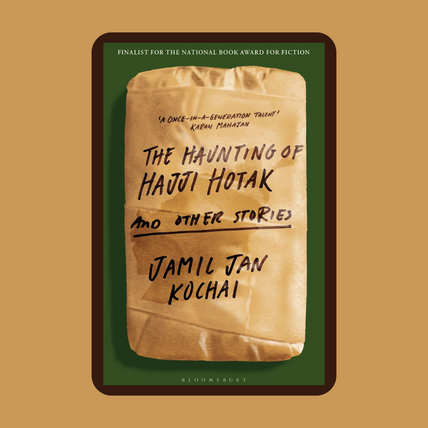
All of Our Stories Were War Stories: Jamil Jan Kochai and Kalyan Nadiminti
“I had an innate sense as a child that the war was a deep part of who my parents were, so tied up in how they told stories and how they understood reality and existed in the world.”
-
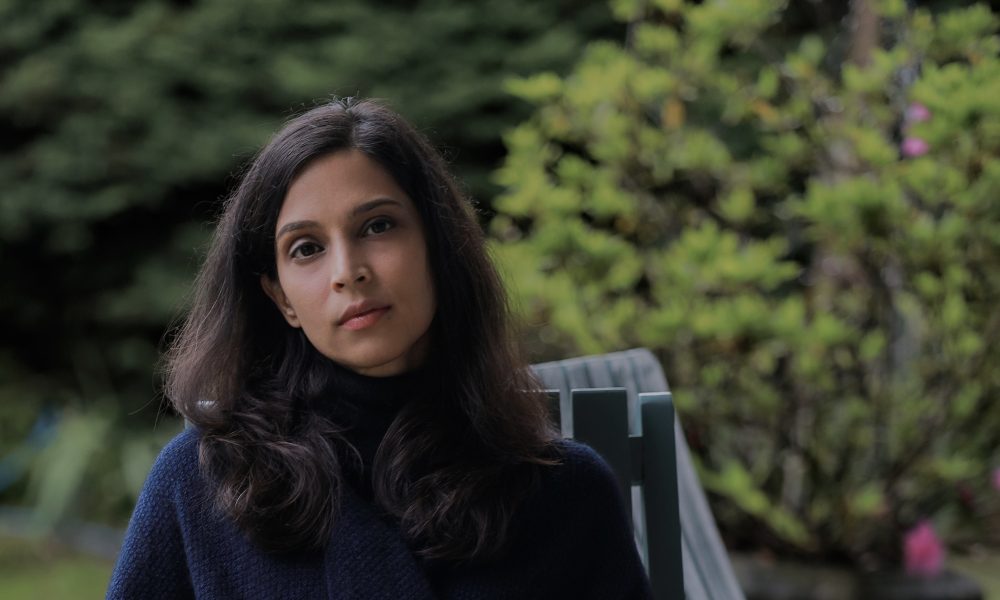
The Poetics of Democracy: A Conversation with Devika Rege
“This novel is about a collective, but that collective is not the nation. It can only allude to the nation without becoming it.”
-

Drawn Together, Held Apart: Cristina Henríquez’s “The Great Divide”
Cristina Henríquez’s novel is the product of extensive historical research. It also comes amid a boom in scholarship on and depictions of Panama and the canal.
-
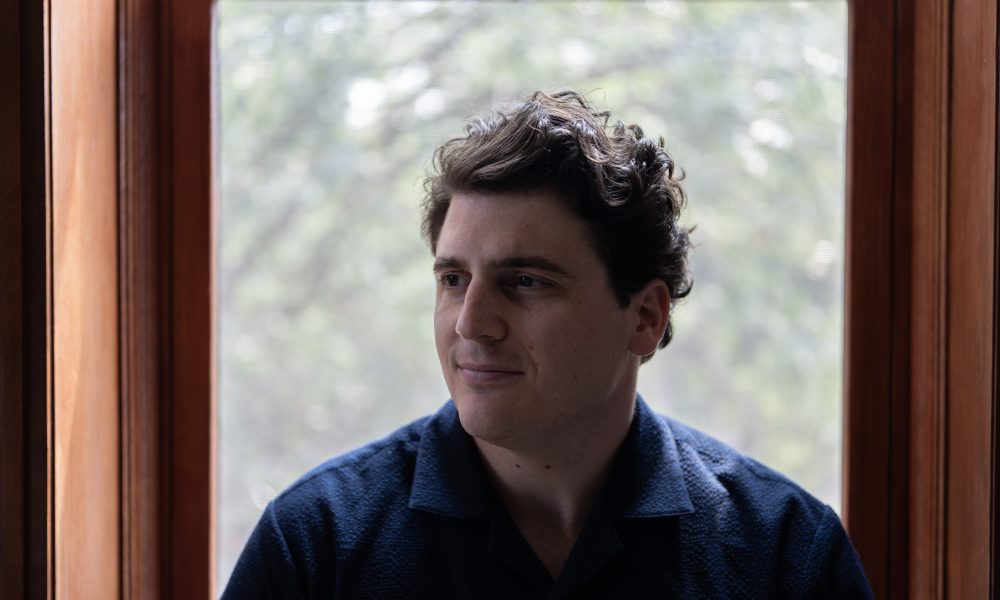
“Agita”: Talking with Alexander Sammartino
“I feel that way every day of my life: ‘astray in errancy.’ I think that’s about being human.”
-

Karla Cornejo Villavicencio on “Catalina”
“I find human behavior fascinating. I find it interesting. I find all of it confusing, every single aspect of it.”
-
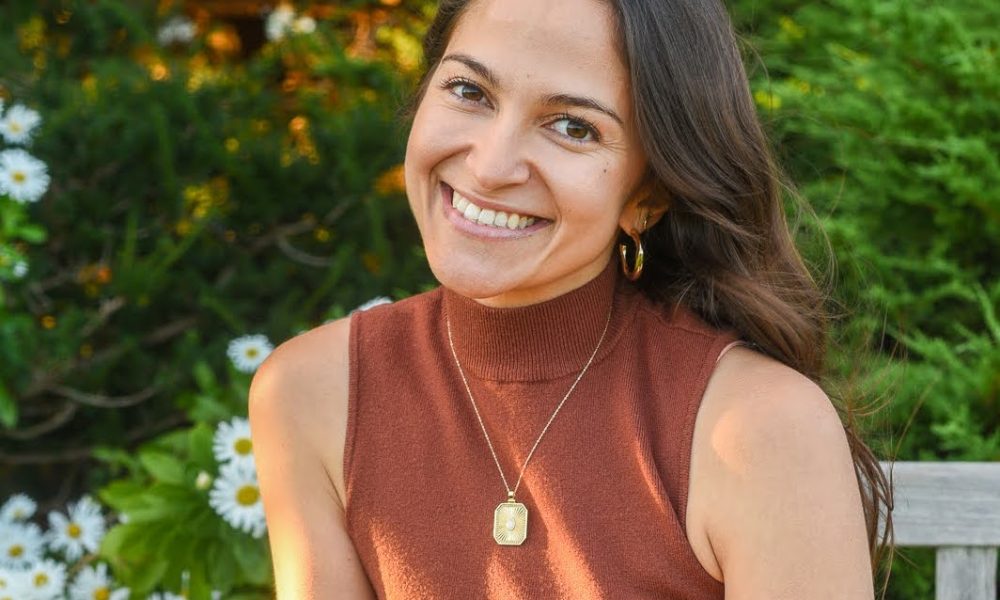
Melissa Mogollón on “Oye”
“There is a fixation on our self worth that is really tied to our physical body. … I [wrote] the extreme, the product of what that does to your psyche.”
-

It’s Not Only Human Stories Worth Telling: Sigrid Nunez’s Animal Novels
Why are animals so central to Sigrid Nunez’s thinking about the status of fiction?
-
You Write Because You Want to Feel Free: Katie Kitamura and Alexander Manshel
“I grew up with this very firm sense that there were multiple places that I could consider a home, rather than homes simply.”
-
Andrew Boryga on “Victim”
“It was definitely in demand, this narrative of explain to me your oppression, you know, explain to me how hard you had it.”