Section
Medicine
-
The Waiting Is the Point: Time, Suffering, and Medicaid
“To be poor and sick in America is to live in delay. The Medicaid system does not just reflect that reality—it enforces it.”






-
COVID: The Pandemic Without Honor?
“I don’t believe there was any conspiracy inside government to kill people off,” a health official explains. “From what I saw there was no plan.”
-
The Ten Thousand Things
“I am supposed to be writing this essay, ostensibly on technology, but not for the first time, I believe I am unable to write; and not writing, doubt that I will I ever write again.”
-
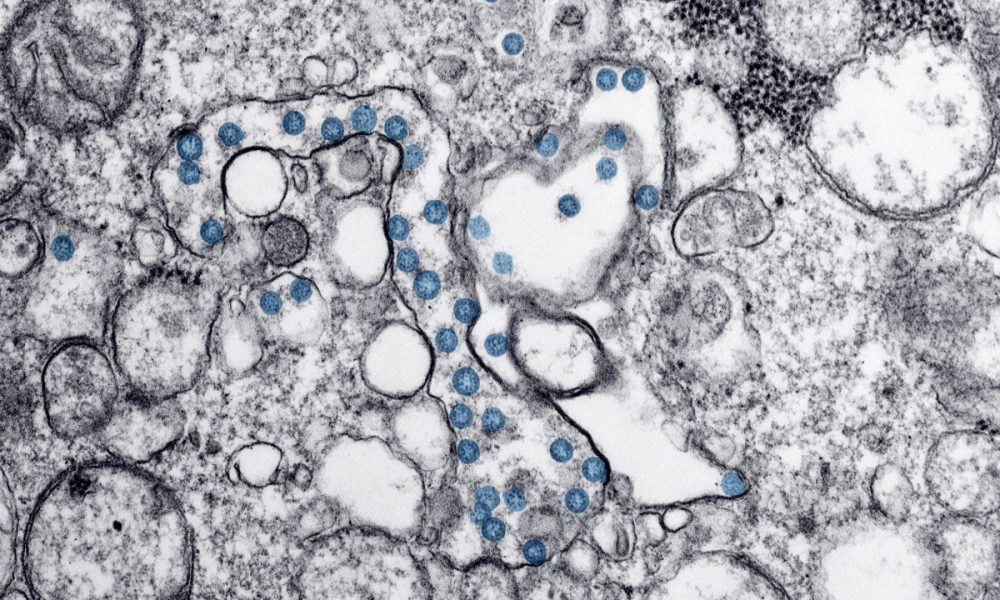
Think like a Virus
Rather than accepting that a virus will come, we can learn how viruses live and thrive—and work to suppress them before they take off.
-

To Heal the Body, Heal the Body Politic
Before 2020, the relationship that is the body was already ailing. COVID-19 heightens the need to heal it.
-
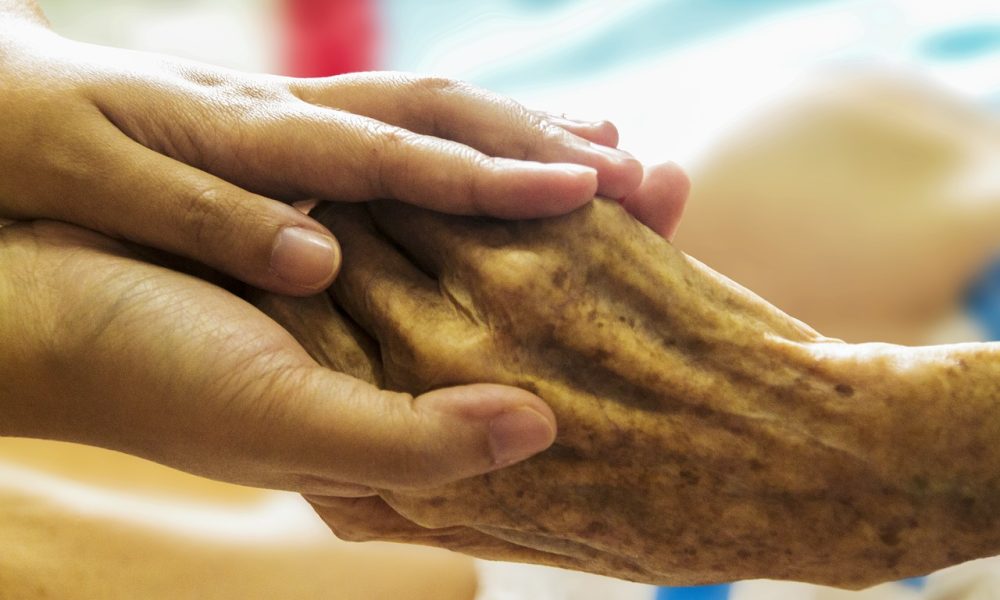
Reading Patients, Writing Care
A palliative-care physician’s memoir foregrounds the affective aspects of attending to patients as an avenue to political activism.
-
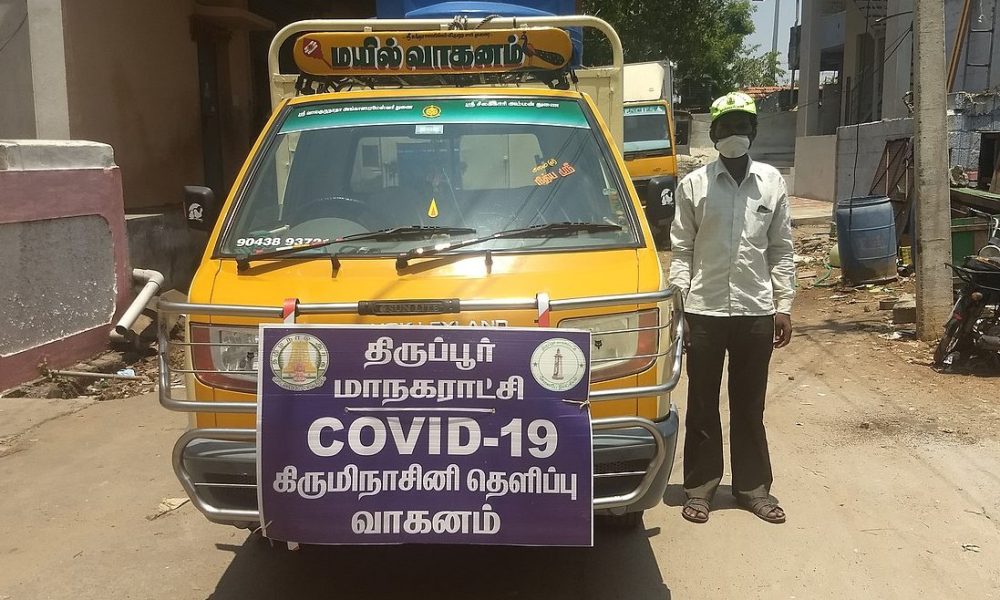
India in COVID-19: A Tragedy Foretold
The lockdown had terrible consequences on India’s informal economy, and will deepen the socioeconomic inequalities that divide the country.[none-for-homepage]
-
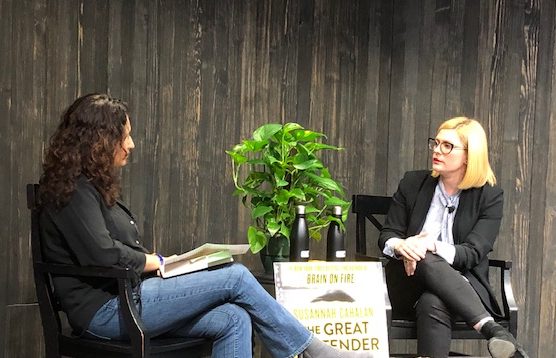
The Art of Care: Susannah Cahalan on Madness, Diagnosis, and COVID-19
“These are not the stories that medicine necessarily wants us to tell, but that means it’s even doubly important that we try our best to track down these narratives.”[none-for-homepage]
-
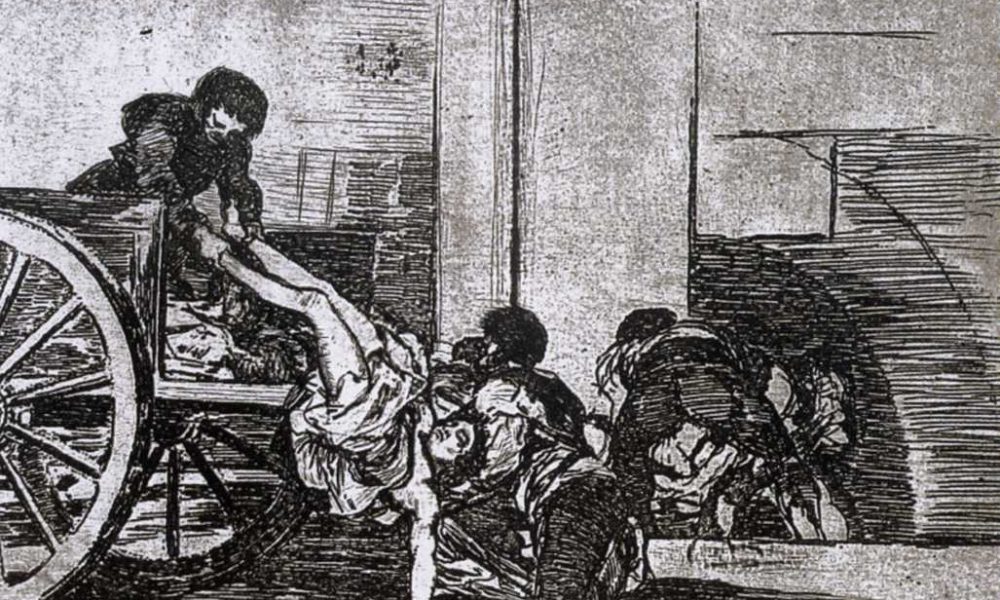
Pandemic Syllabus
Disease has never been merely a biological phenomenon. Instead, all illnesses—including COVID-19—are social problems for humans to solve.
-
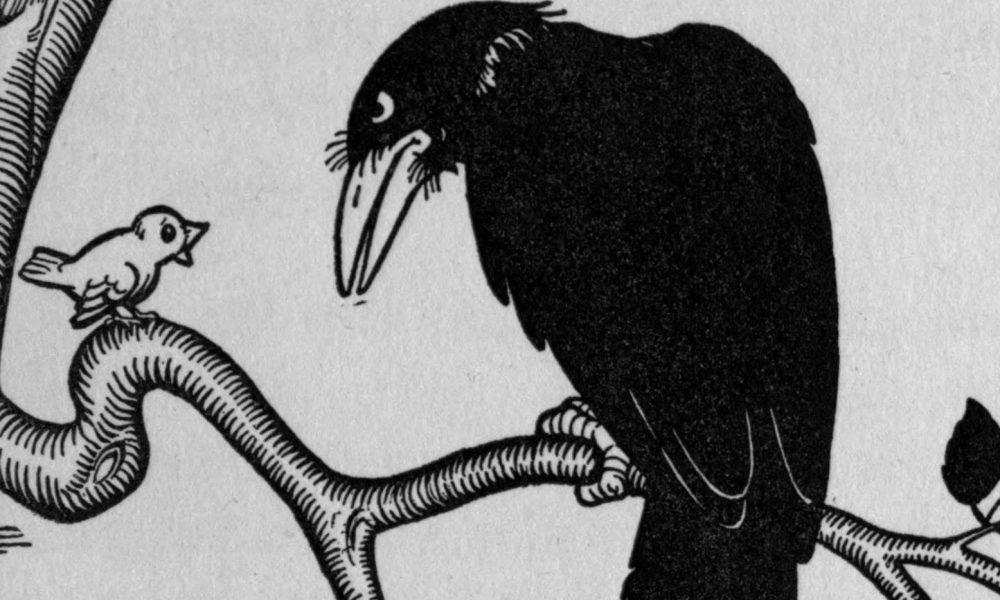
Listen to the Birds
Avian flu came from environmental devastation, an increasingly interconnected world, and a growing population—just like COVID-19.
-

Our Drugs, Ourselves
Is the term “drugs” still meaningful? Many of us would confess to being at least mildly dependent on some substance, be it single-origin coffee or Sancerre, antidepressants or anti-inflammatories, Red Bull or Ritalin. Because such a wide range of substances characterizes everyday middle- and working-class life, their indiscriminate lumping under the heading “drugs” is proving…
-
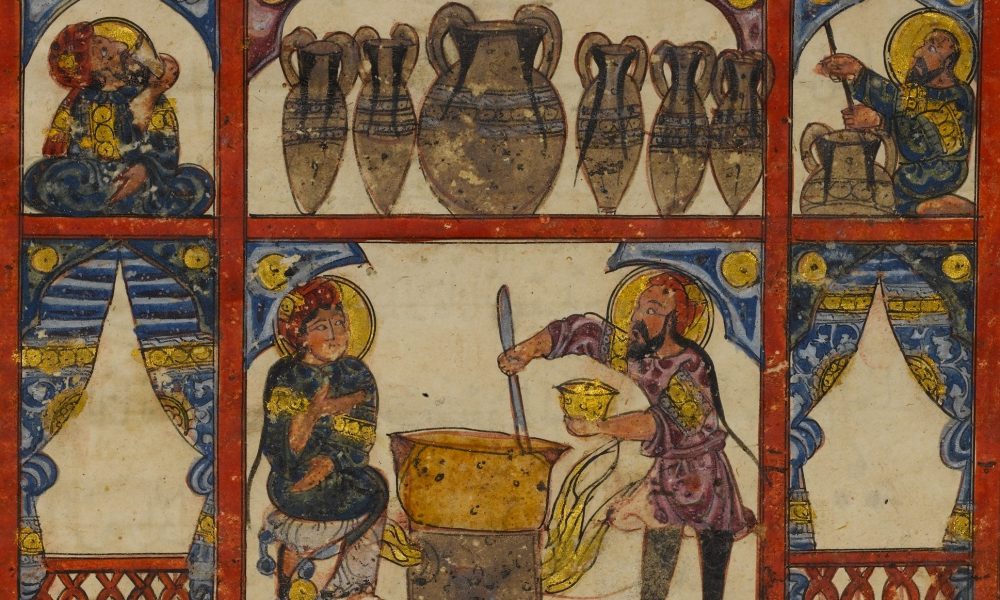
Doctor Stories and Patient Stories
Richard Powers’s The Echo Maker tells the story of a Nebraskan meat-packer who crashes his truck into the ditch of a river. He awakens from a coma with Capgras …
-
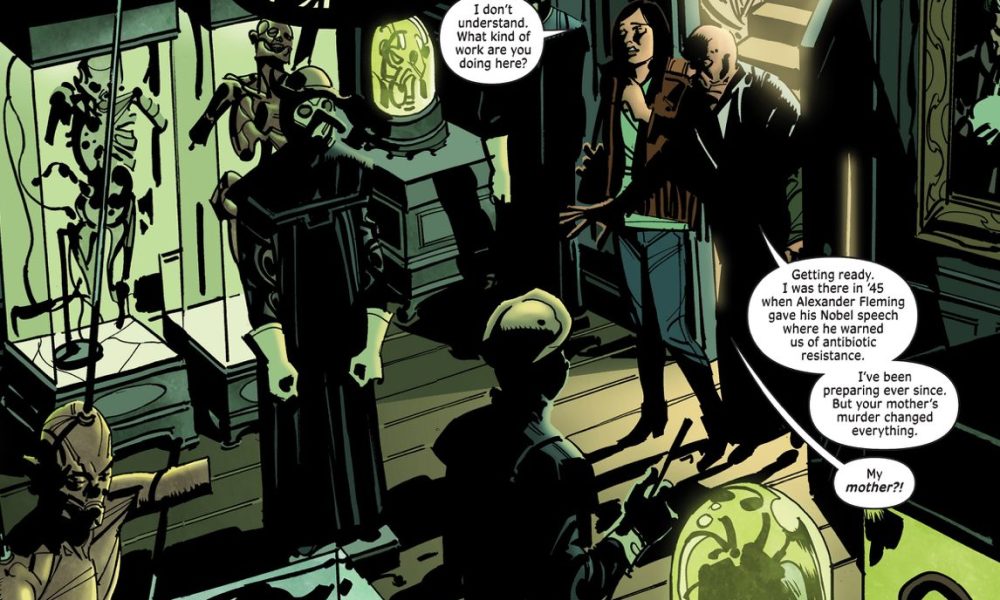
World without Antibiotics
Sepsis: a systemic response to infection. The body gone wild. A reaction disproportionate to its cause, one that refuses to respect the division between hearts and limbs. Diagnosing sepsis requires a sense of proper proportions. And in Surgeon X, a comic series …
-
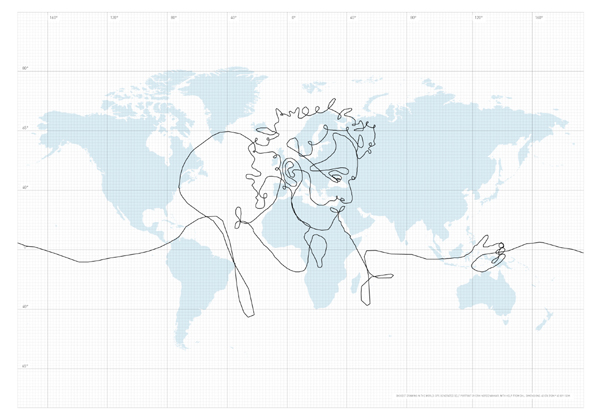
Our Metrics, Ourselves
In 1994, a doctor named Clifton Meador penned a satirical portrait of “the last well person” for the New England Journal of Medicine. The protagonist, bent on discovering every datum of unwellness …
-
Transplant Melodrama
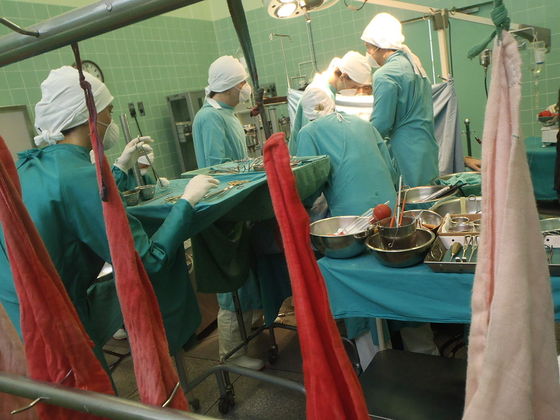
Maylis de Kerangal’s Réparer les vivants, beautifully translated into English by Sam Taylor and published as The Heart, has been something of a publishing sensation in France, and beyond. I am reading it at a café by a small lake in a South Indian town, where I have just been talking to a transplant surgeon…
-
Show Me Where It Hurts: Part 2
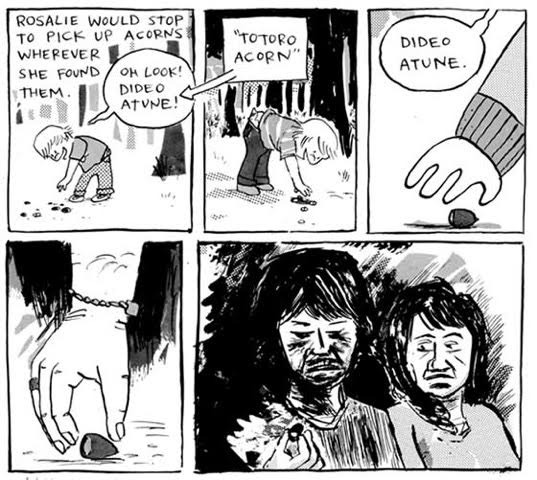
In this second part of my survey of the growing field of graphic medicine, I review four recent nonfiction books about health, illness, recovery and loss. These books vary in many respects—in their visual styles and narrative approaches, but especially in the ways in which the educational and the personal are engaged. However, what they…
-
Show Me Where It Hurts: Part 1
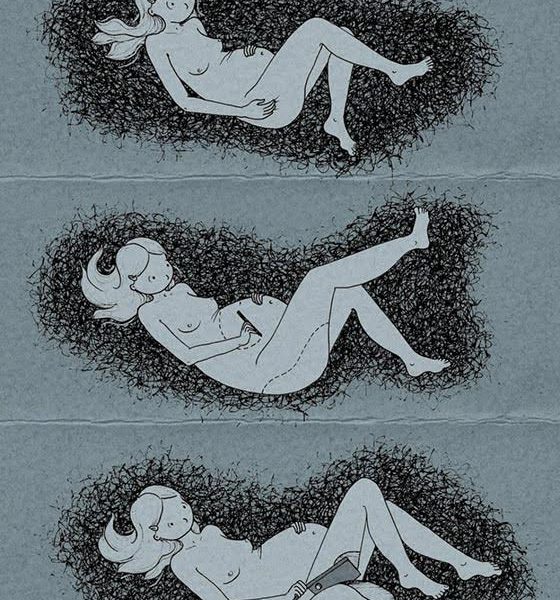
Illness, mental and physical, is arguably comics’ invisible master theme, deeply woven into their genome and shaping the stories they tell, from the earliest newspaper strips (chronic allergies in Winsor McCay’s Little Sammy Sneeze) through the rise of superhero comics (from Batman’s PTSD in 1939 through the Fantastic Four’s radiation poisoning in 1961). It is…
-
A Letter to My Children about the Supreme Court’s Ruling on Obamacare
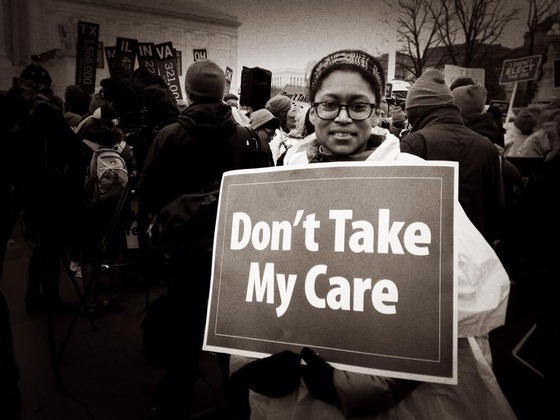
Want help in explaining the significance of the recent Supreme Court ruling on Obamacare to your kids? In what follows, a former Supreme Court law clerk, top appellate litigator …
-
On Longer Lives and Longer Deaths
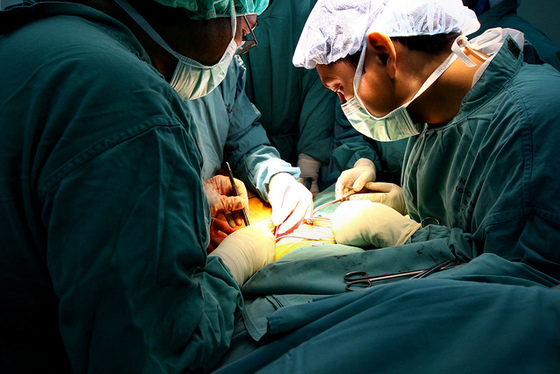
America has many open secrets. The nursing home is one of them. We try not to think too hard or too long about its residents or its low-wage staff. We’ll confront its smell, its humiliations, its bleakness, only once we need it …
-

Immigrants and Illness
Illness stories recount a person’s experience with sickness and disease, often following the journey from the onset of the illness to its diagnosis, to treatment and recovery. They’ve gained increasing critical attention in recent years, thanks to what we might call the narrative turn in the study of illness and medicine. Emerging as a distinct…
-
Why Is Drug Use Forbidden?
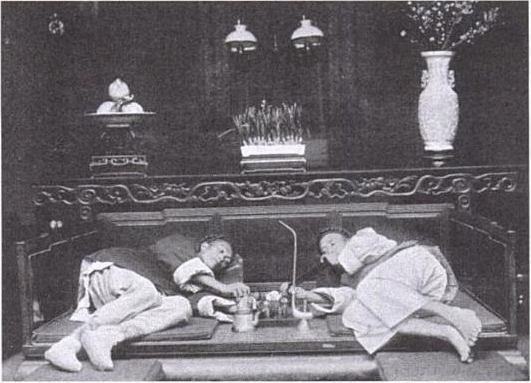
If the 20th was the century of the prohibition of drugs, the 21st has every chance to be the century of their liberation. An increasing number of initiatives—state, national, and international—have legalized or are trying to legalize the recreational use of marijuana. Colorado and Washington have, already, authorized its sale in specialized stores, and Alaska,…