Tag
Writing Latinos
-
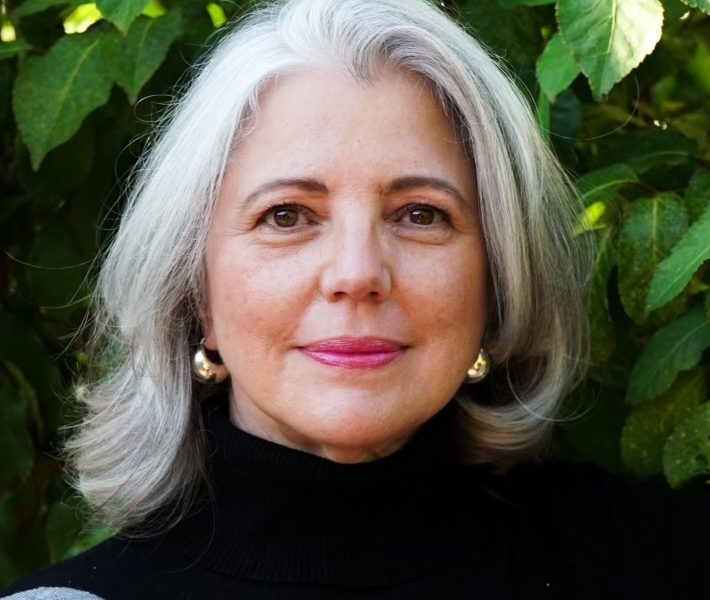
Mirta Ojito on “Deeper than the Ocean”
“I gave her my love for Spain, and particularly the north of Spain, and particularly the city of Santander. And I gave her my fears. I too, fear the ocean.”
-
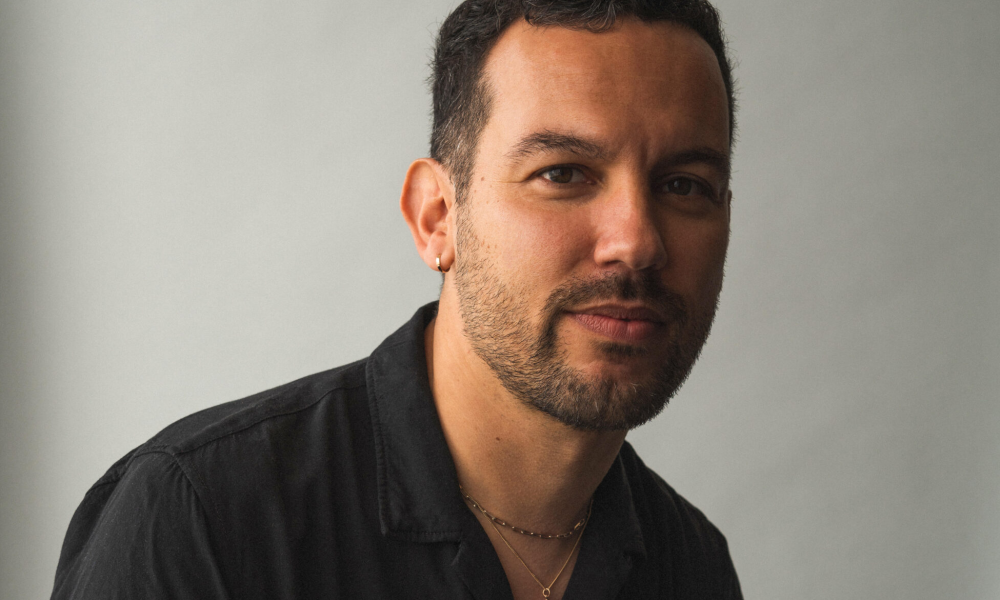
Justin Torres Reads “Youth: The Palisades as a Backdrop”
In this special episode of Writing Latinos, with the writer Justin Torres, we tried something new. Torres reads a short vignette on air—“Youth: The Palisades as a Backdrop” by the Afro-Puerto Rican writer, Jesús Colón—and then we discuss it together. We had so much to talk about! Historical references. Readings of imagery. His message about…
-
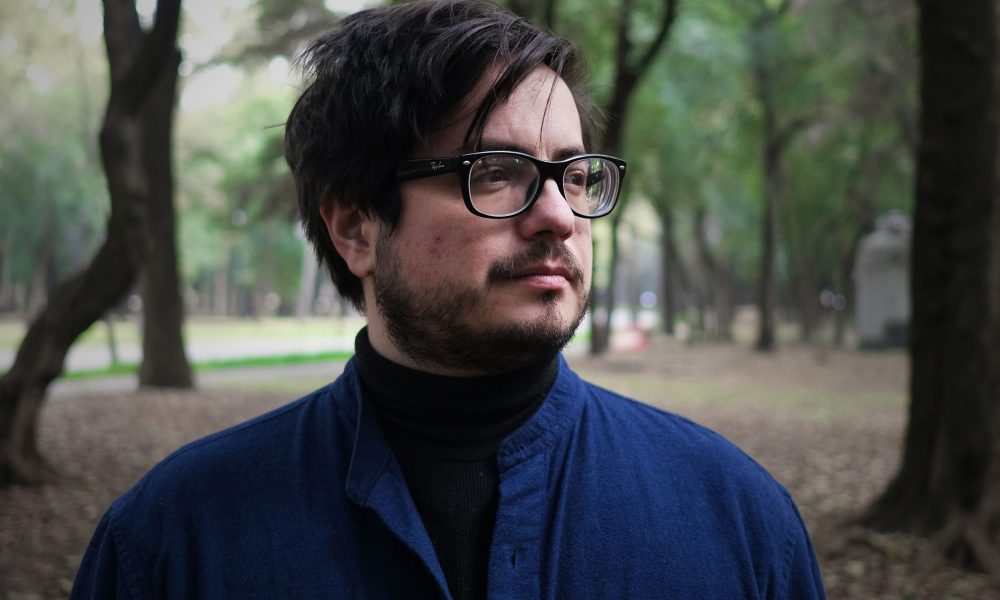
Nicolás Medina Mora on “América del Norte”
“One of the main differences between Mexico and the United States is that in Mexico history is very much alive.”
-
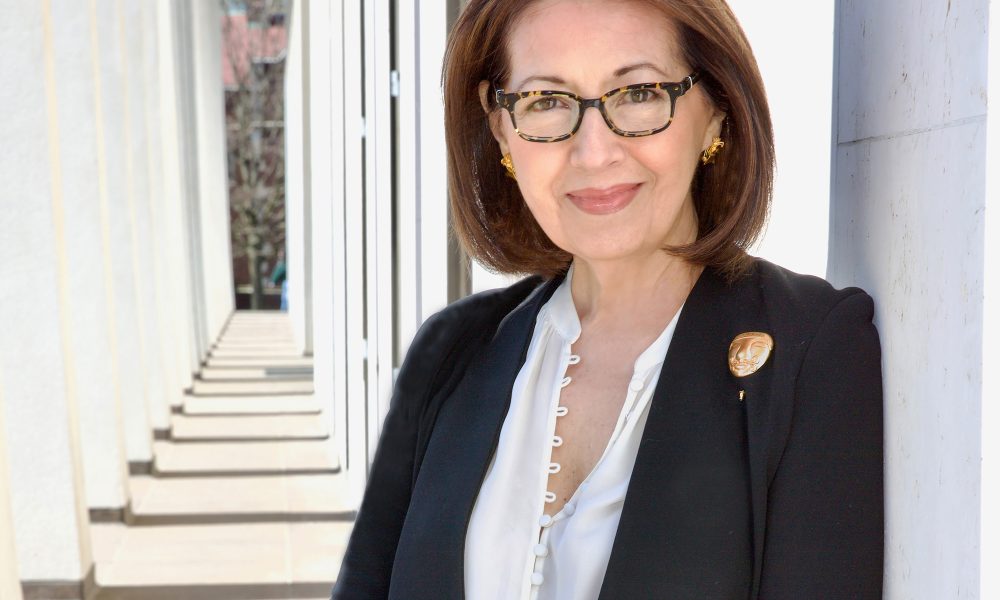
Marie Arana on “LatinoLand”
“The United States is not idea. We are human beings and nobody represents that more in my book than latinos.”
-

Lori A. Flores on “Awaiting their Feast”
You probably remember the picture of himself, both thumbs up, that Donald Trump posted on social media with the caption, “Best Taco Bowl.” It was his ode to Mexican food on Cinco de Mayo 2016. The picture was mocked relentlessly, and deservedly so. For Latinos, taco bowls aren’t really a thing. And even if they…
-
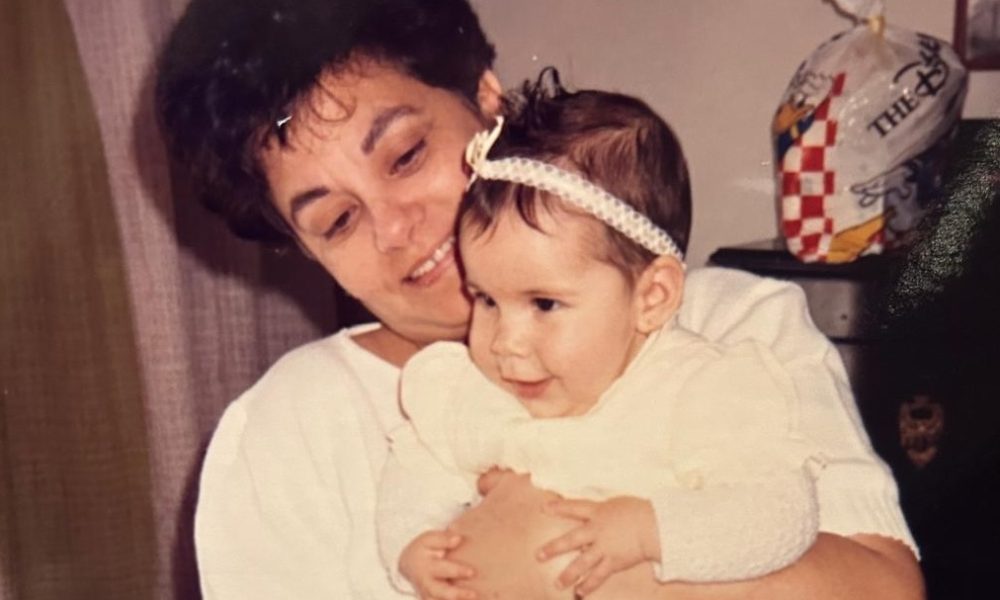
Toward a New Abuelita Canon
The new abuelita canon is giving a sense of interiority to the lived and unlived lives of our abuelas.
-
Karla Cornejo Villavicencio on “Catalina”
“I find human behavior fascinating. I find it interesting. I find all of it confusing, every single aspect of it.”
-
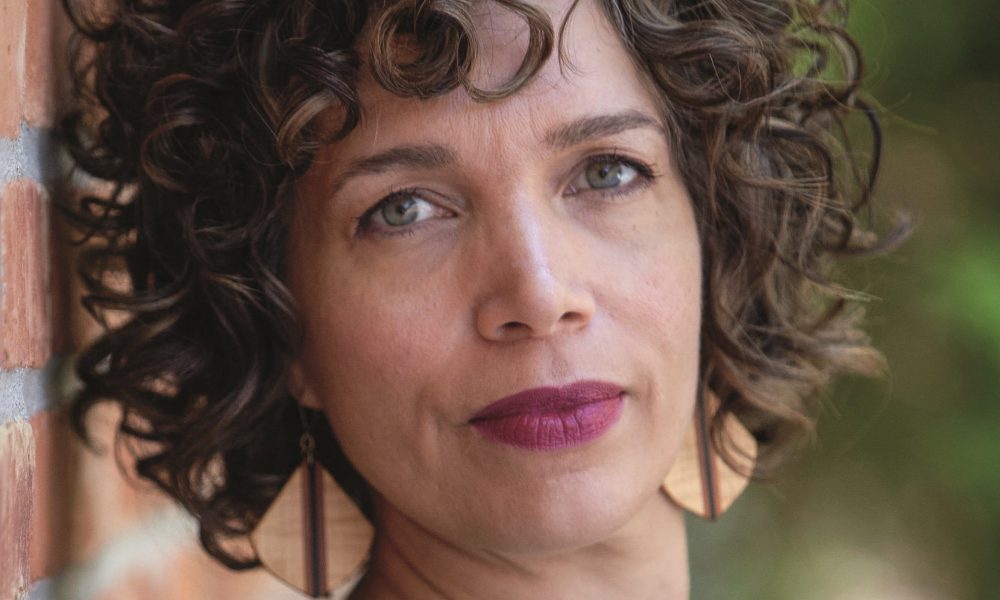
Jamie Figueroa on “Mother Island”
“The greatest way to honor another is with this intense complexity of truth, of love, of forgiving.”
-
Sarah McNamara on “Ybor City: Crucible of the Latina South”
Sarah McNamara’s new book Ybor City: Crucible of the Latina South is a deeply personal history of the Florida city where she grew up. In this episode of Writing Latinos, we talk about her Cuban grandmother, the family storyteller and archivist of Ybor City’s Latino community. When McNamara was a little girl, her grandma brought…
-
Luis Miranda on “Relentless”
“I learned early on in politics … that all politics are local. You don’t need to speak with one voice to the Latino electorate.”
-
Melissa Mogollón on “Oye”
“There is a fixation on our self worth that is really tied to our physical body. … I [wrote] the extreme, the product of what that does to your psyche.”
-
Cecilia Márquez on “Making the Latino South”
“Using non-Black as opposed to white is acknowledging that Latinos can be both nonwhite and benefit profoundly from white supremacy.”
-
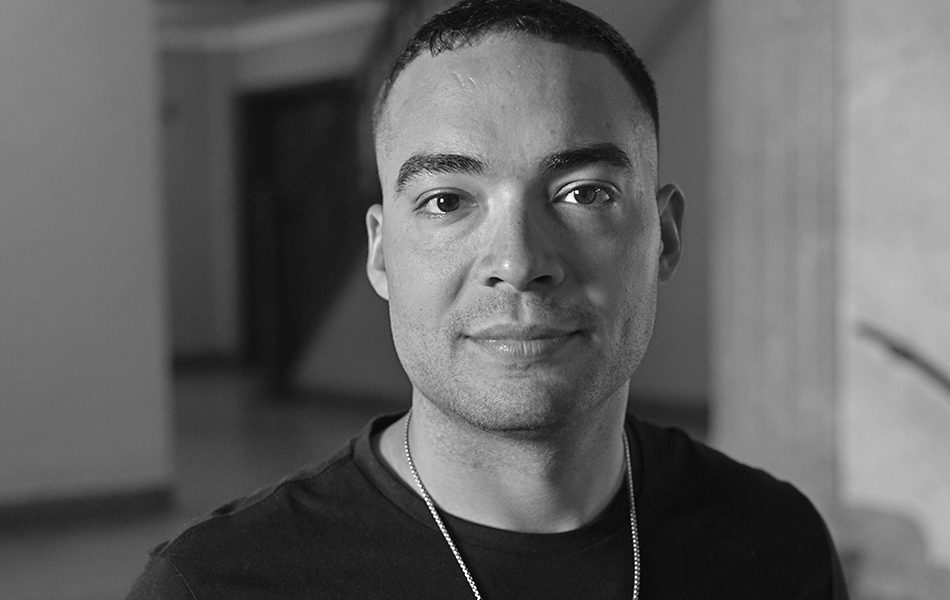
Andrew Boryga on “Victim”
“It was definitely in demand, this narrative of explain to me your oppression, you know, explain to me how hard you had it.”
-

Melissa Lozada-Oliva on “Candelaria”
“I wanted to explore miscommunications between families, and I wanted to explore how deep sisterly love really goes.”
-

Ingrid Rojas Contreras on “The Man Who Could Move Clouds”
“I realized that if I was going to write a story about healers, I also had to write a story about healing.”
-
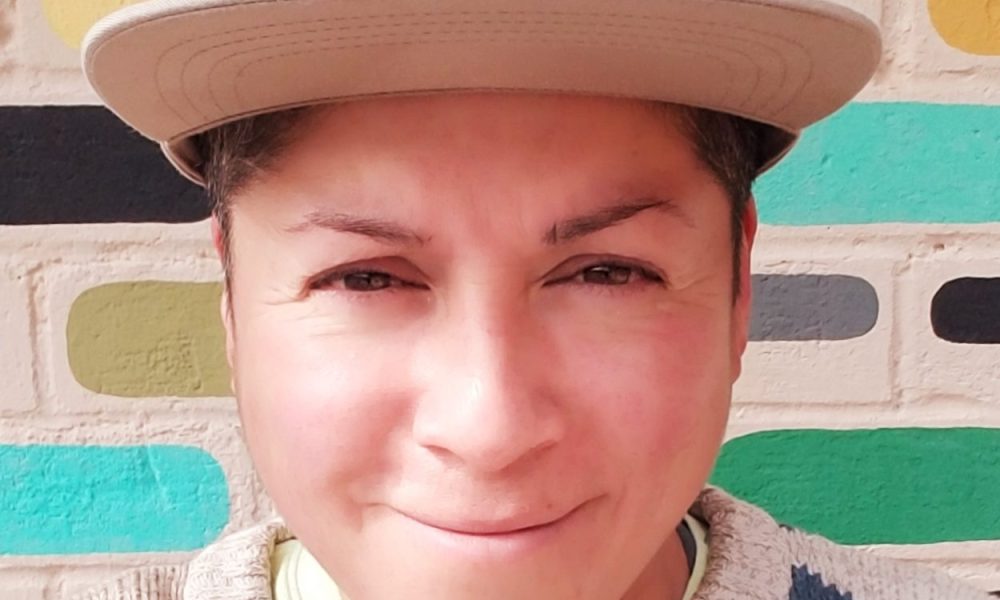
Raquel Gutiérrez on “Brown Neon: Essays”
“Arts, writing, journalism—these things are born from our passions … this thing that is our weak spot.”
-
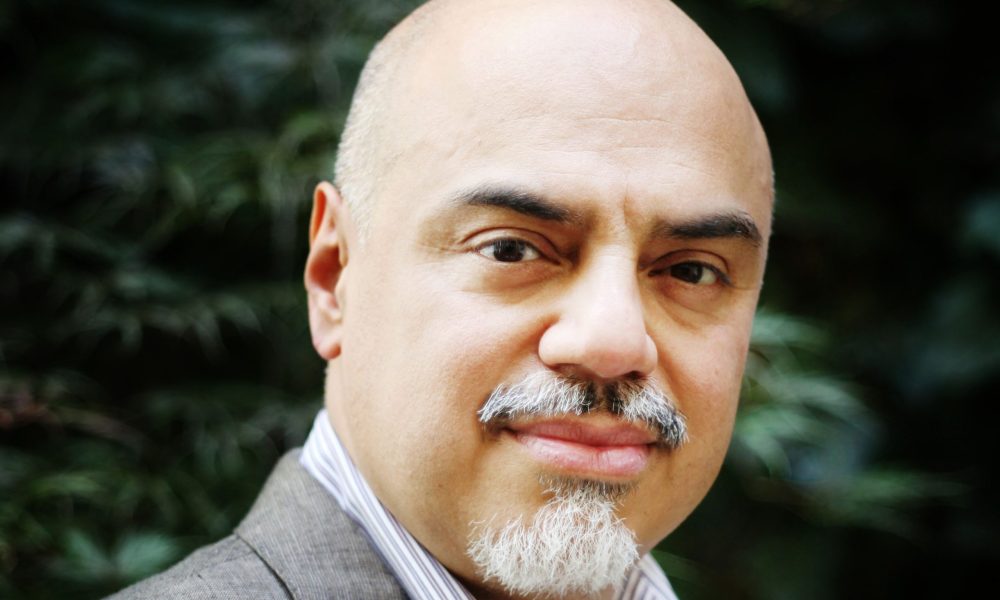
Héctor Tobar on “Our Migrant Souls: A Meditation on Race and the Meanings and Myths of ‘Latino’”
“One of the things that helps define Latino identity is this sense of having a history but also not knowing the history.”
-
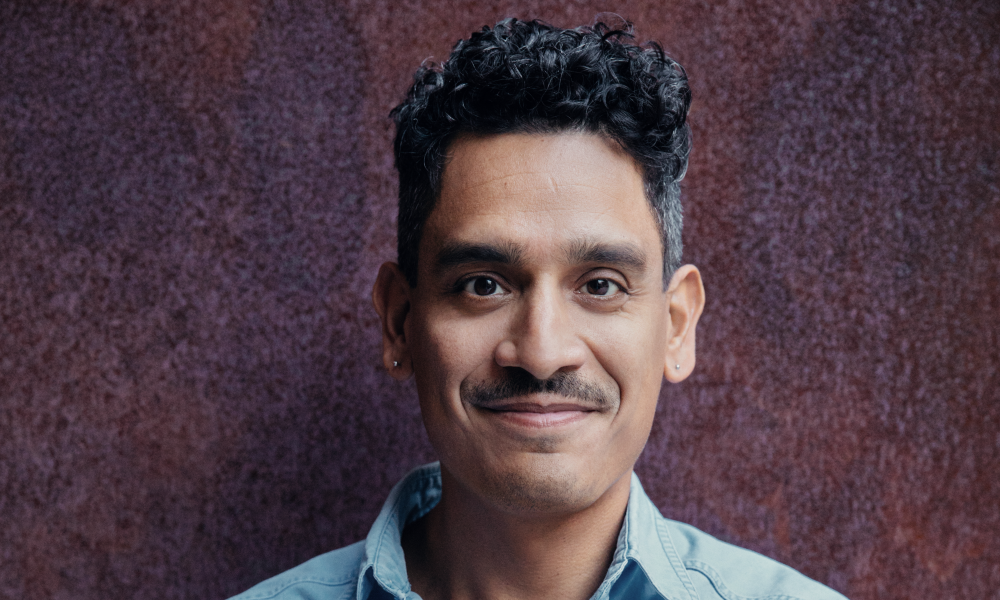
Alejandro Varela on “The Town of Babylon” and “The People Who Report More Stress”
Writing Latinos, from Public Books, features interviews with Latino (a/x/e) authors discussing their books and how their writing contributes to the ever-changing conversation about the meanings of latinidad. In this episode, you’ll hear our interview with Alejandro Varela about his books The Town of Babylon and The People Who Report More Stress, both published by…
-
Sarah M. Quesada on “The African Heritage of Caribbean and Latinx Literature”
“This is a book that explores how African history—political history, cultural history, literary history—weighs and therefore haunts some of the stories that we tell ourselves about latinidad.”
-
Edgar Gomez on “High-Risk Homosexual”
In this latest episode of the Writing Latinos podcast, we talk about machismo, cockfighting, reconciling with parents, the Pulse nightclub shooting, bilingualism in contemporary literature, and the “messiness” of latinidad.
-

Lorgia García Peña on “Translating Blackness”
In this latest episode of the Writing Latinos podcast, we discuss how some Afro-Latinas argue that the US census needs to accept that Latinos are not a race.