Tag
Stanford University Press
-
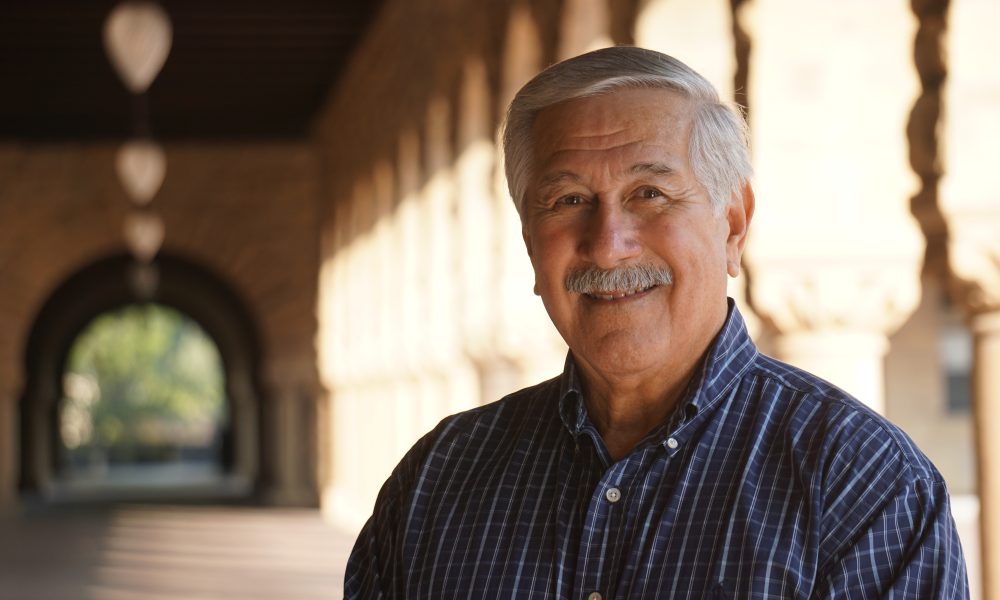
Albert Camarillo on “Compton in My Soul: A Life in Pursuit of Racial Equality”
Albert Camarillo is the Leon Sloss Jr. Memorial Professor, Emeritus, at Stanford University. He’s one of a small number of people who founded the academic field of Chicano/Latino history. He has also mentored so many of the historians who’ve written books that teach us much of what we know about the history of Latinos in…




-
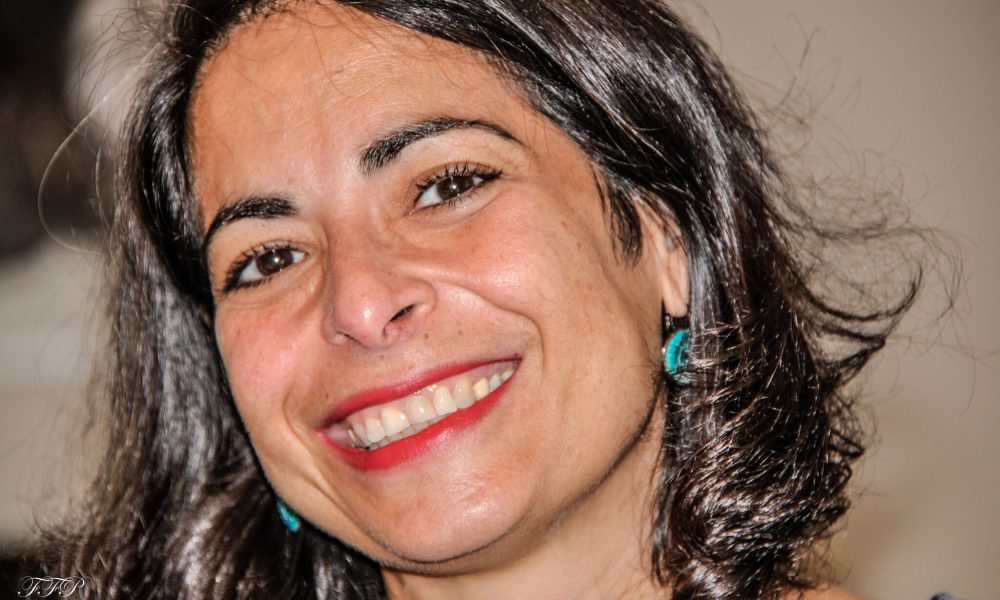
“To Reach across Boundaries”: Laleh Khalili Talks Solidarity and Global Trade
“It is precisely because we are unlike, or we haven’t had the same experiences, that solidarity can be built.”
-

The Text: Do Not Disturb
Does loving a work of literature mean seizing it? How should critics feel about their feelings toward a text?
-
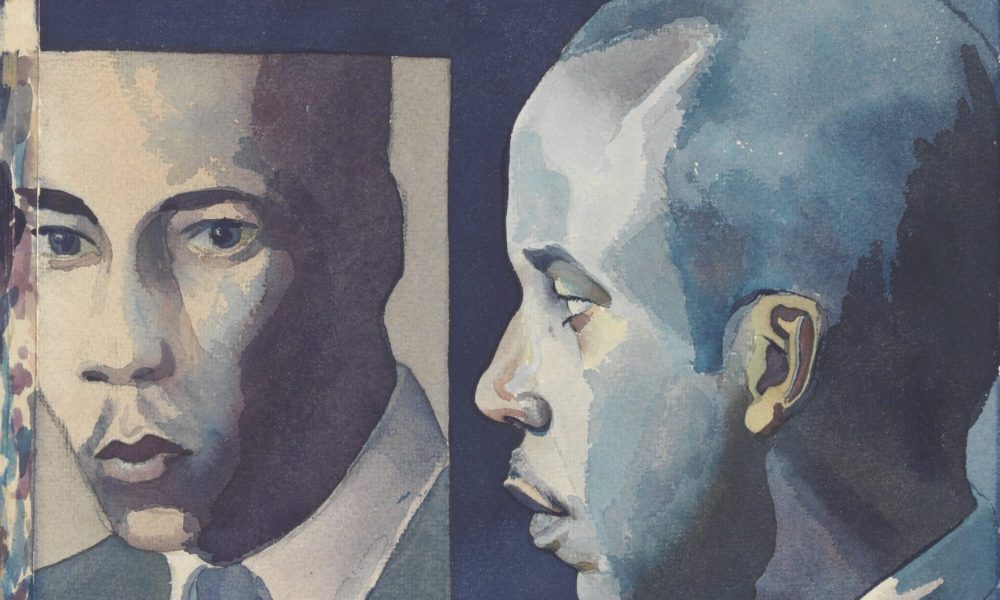
The Art of Intelligence
Art made by AI subverts our usual understandings of creativity as a uniquely human power.
-
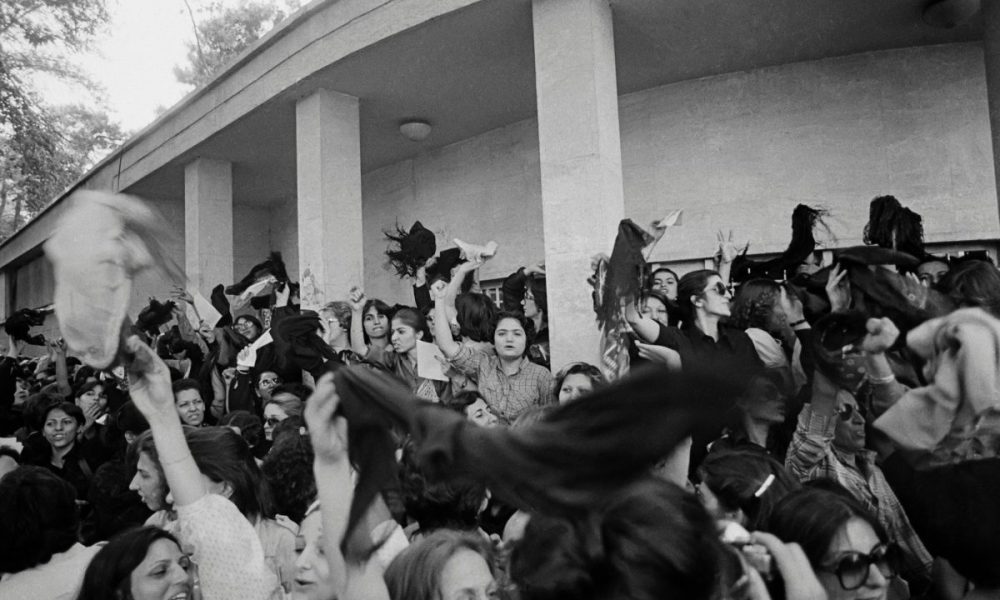
When the Revolution Left Kate Millett Behind
What was happening in the streets of Iran—what one white feminist couldn’t see—was a revolution, looking for different freedoms than the West.
-
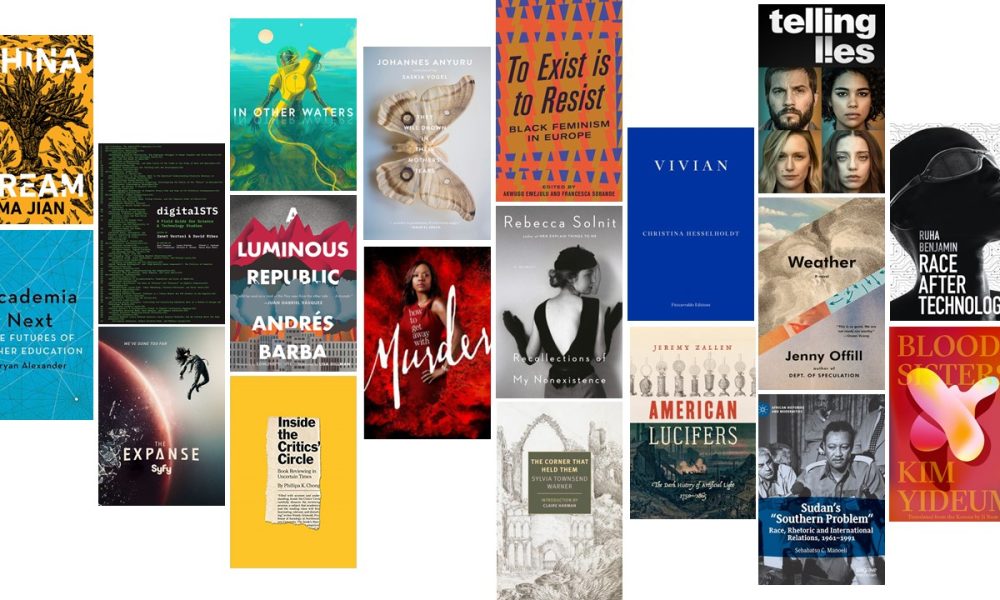
Public Picks 2020
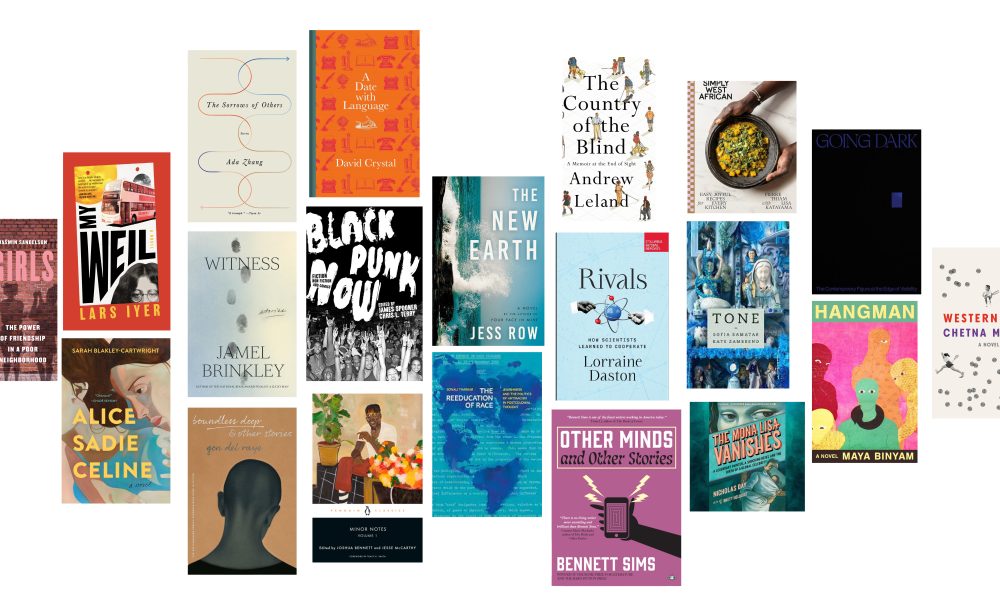
Each year around this time we send our readers into summer with a thoughtfully curated list of the titles appearing over the past 12 months that dazzled, moved, and challenged us most.
-

Terminal Whiteness
While doing fieldwork in Tennessee for his eye-opening and often harrowing new book, Dying of Whiteness, Vanderbilt University Professor Jonathan M. Metzl met Trevor. A 40-something-year-old former …
-

How Does Copyright Matter?
Copyright as we know it is a surprisingly recent development. It has been with us just a few decades—only as long, roughly, as Hello Kitty and the Star Wars …
-

How Capitalism Changed American Literature
Fifty years ago, almost every publisher in the United States was independent. Beginning in the late 1960s, multinational corporations consolidated the industry …
-
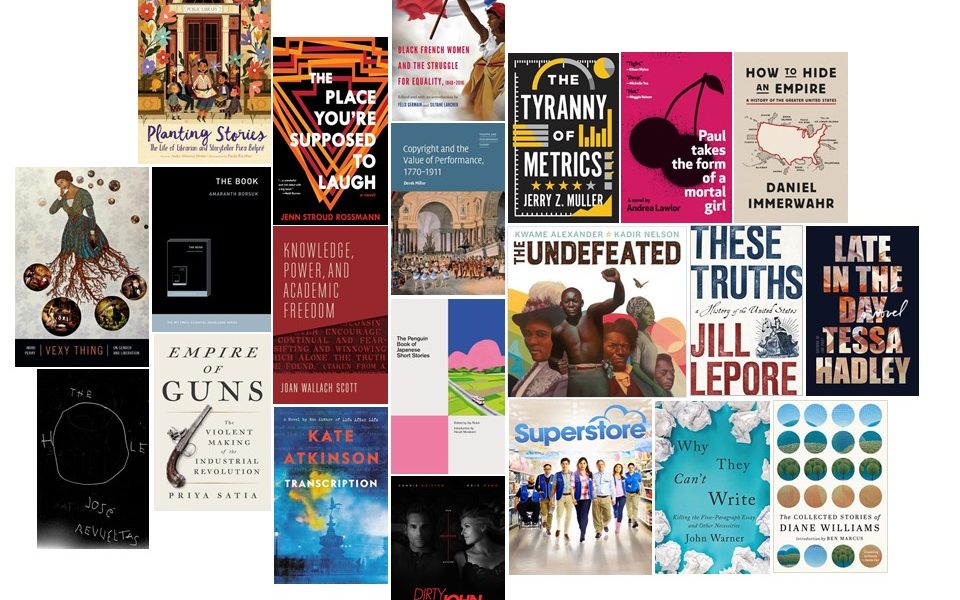
Public Picks 2019
Each year around this time we send our readers into summer with a curated list of the titles that dazzled, challenged, and inspired us most over the past year. For this, the seventh-annual edition of Public Picks, we’ve asked our editors for the Public Thinker series, Literary Fiction, Higher Education, Children’s & Young Adult Literature,…
-
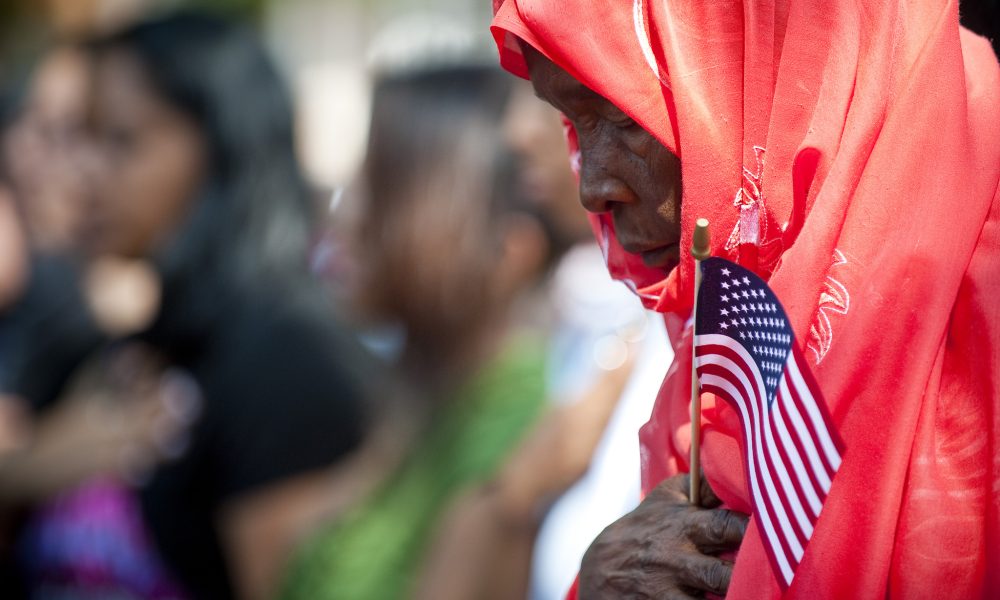
The Future of Migration
In 2008, in a town of about 2,000 people, Immigrations and Customs Enforcement (ICE) detained 389 workers and charged them with civil immigration violations and identity theft. The Bush administration had decided to experiment with mass workplace arrests and assembly-line judicial proceedings. The target was a kosher meatpacking plant in rural Postville, Iowa. What most…
-

A City Plans for War
What if war was waged not with bombs but with blueprints? Urban planning’s promise of an improved city of the future is especially bright in postconflict cities, where planning is expected to bring not only the usual modernist improvements—development, growth—but also peace. Yet in postconflict Beirut, planners, developers, and architects, instead of designing for a…