Tag
Class
-

Price-Tag TV and the Transformation of Television Prestige
Apple’s “Price-Tag TV,” to propose a new entrant to the TV name game, is expensive programming about folks who like expensive things, made for viewers who either can’t see or don’t care about the difference between good and expensive.






-

Pre-Recession Bliss, or Ignorance: “Laguna Beach” @ 20
There’s a connection between Laguna Beach’s lush close-ups of LC’s face and its recurrent, luxuriating shots of Orange County mansions.
-

A #MeToo Novel That Must Be Read #WithYou
A South Korean novel critiques violent misogyny within a literature department. Remarkably, it does so by addressing the reader directly.
-

“Dignity Matters as Much as Material Needs”: Michèle Lamont on Recognition Claims and Understanding American Politics
“To recognize the existence of injuries requires the recognition of others and their dignity.”
-

“We Want More Housing, but How?” Talking with Max Holleran
“There are a lot of basic things that America has still not accepted in terms of how to live a happy urban life.”
-
A Woman’s Working-Class Experimentalism
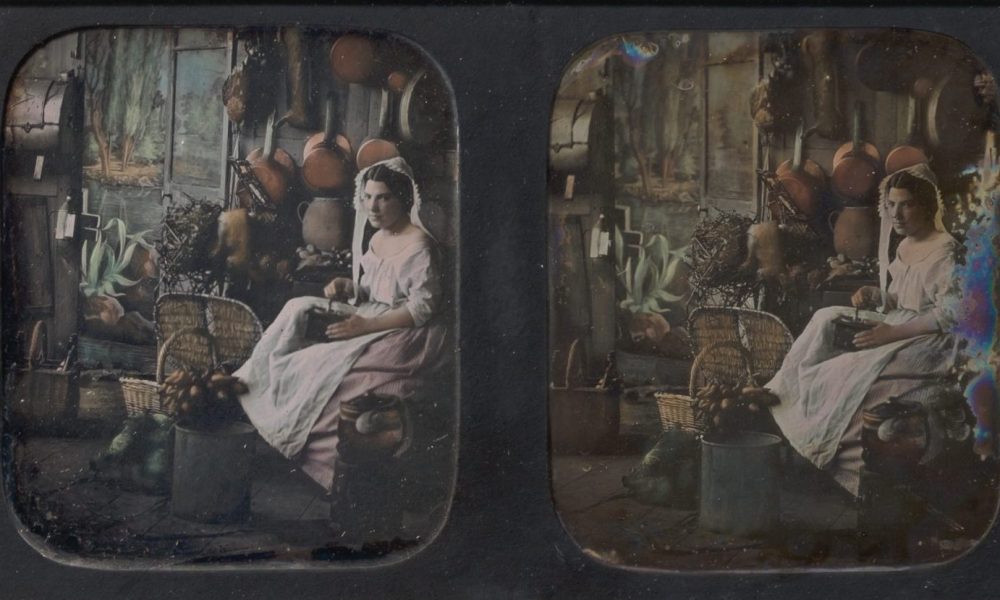
Where do working-class women who are literary and experimental find, first, their models, and next, their readership?
-

“Having to Explain Who You Are”: Caryl Phillips on Baldwin, Fiction, & Sports
“The first thing he said is, ‘Don’t call me Mr. Baldwin. My name is Jimmy.’ I thought, this is ridiculous, at the very least he’s James.”
-

“Lupin” and the Limits of “Haute Culture”
Does Netflix’s “Lupin” resist the notoriously white milieu of European high culture, or, instead, endorse it?
-
A Dad Cartoonist Travels into Factory Life
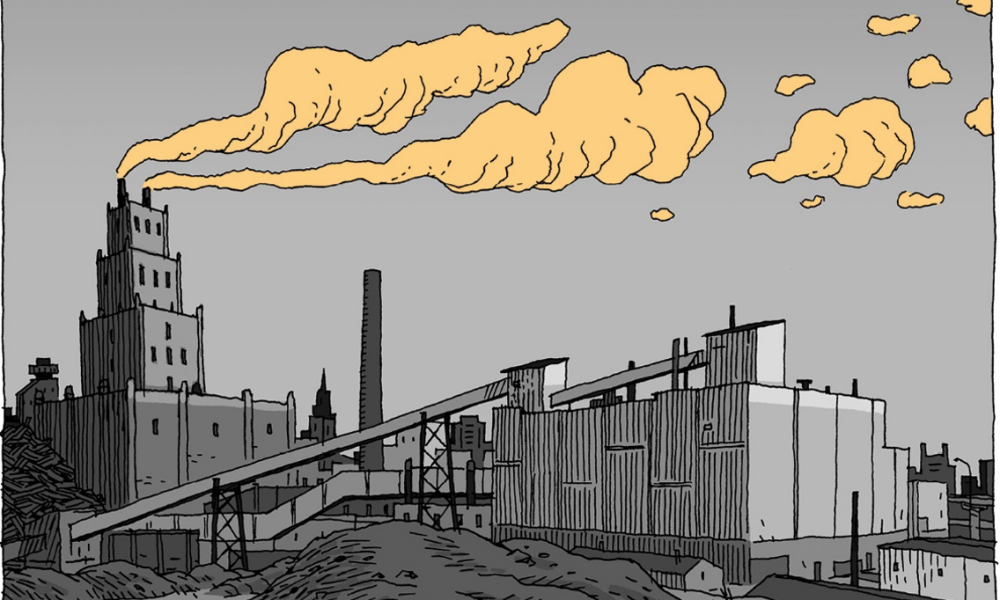
The artist comes as a class outsider to the factory, marveling at the complexity of its machinery and the dexterity and dangers of manual labor.
-

My Certainty Shall Be Their Confusion
Ann Quin is, above all, a self-aware writer, with an ironic understanding of the limits of symbolic expression, who was nevertheless prepared to test those limits.
-
Prison Tech Comes Home
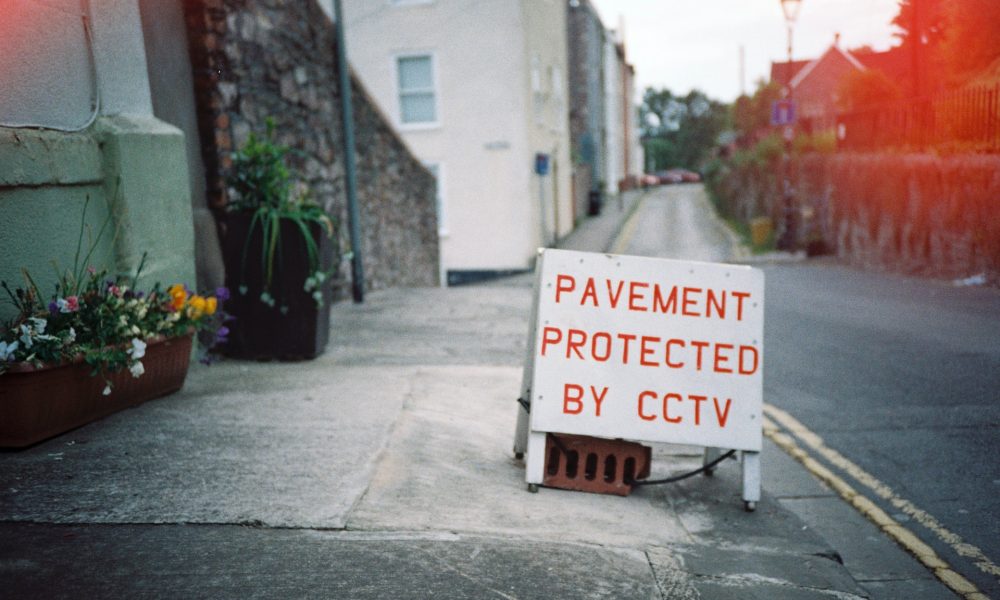
Landlords’, bosses’ and schools’ intrusion of surveillance technologies into the home extends the carceral state into domestic space.
-

Meritocracy Is a Dystopia
Netflix Brazil’s 3% presents a desperate future city that nevertheless proclaims its citizens all have an equal shot at success. Sound familiar?
-

Poor Queer Use: Repurposing the Ivory Tower
Outside elite institutions, queer studies has the potential to go hand in hand with broader struggles of racial and economic justice.[none-for-homepage]
-
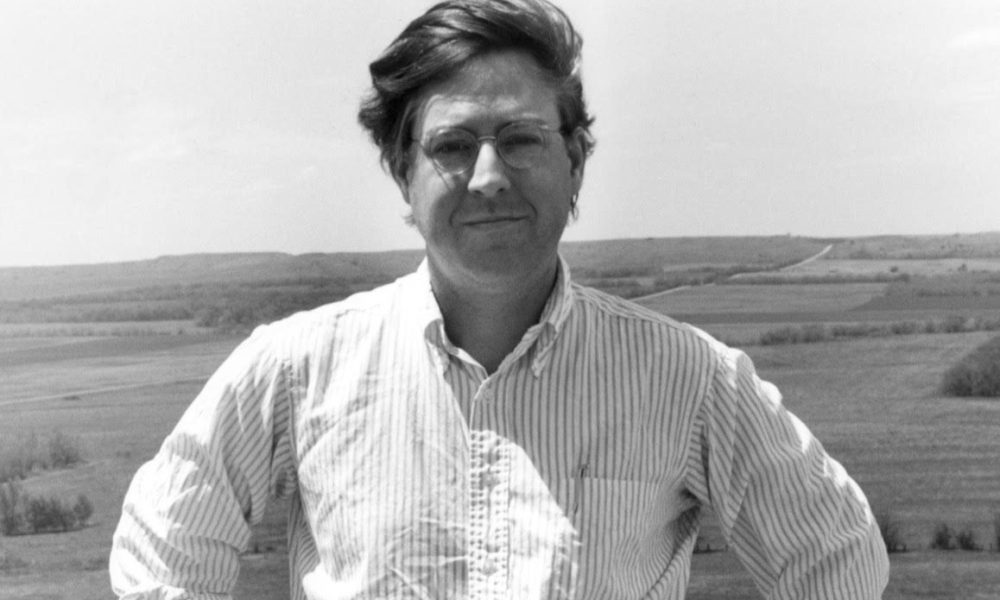
Public Thinker: Thomas Frank on How Populism Can Save America
“A relentless assault on received orthodoxies has the effect of making you unpopular with the people for whom those received orthodoxies are orthodox.”[none-for-homepage]
-

Merit Must Fall
What does “merit” mean in a context—like India—where caste pervades public life?
-

B-Sides: Daisy Ashford’s “The Young Visiters”
A child’s novel can be funny by revealing how much a child does know, after all.
-
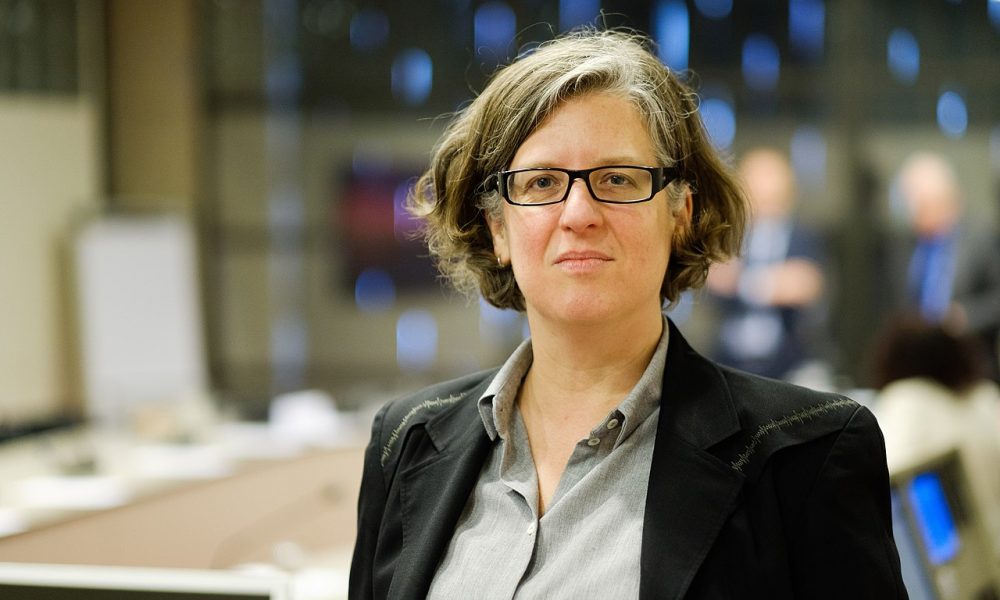
Public Thinker: Virginia Eubanks on Digital Surveillance and People Power
“We have to build against the legacy of inequality. Intentionally. We have to build our values into our design practices.”[none-for-homepage]
-
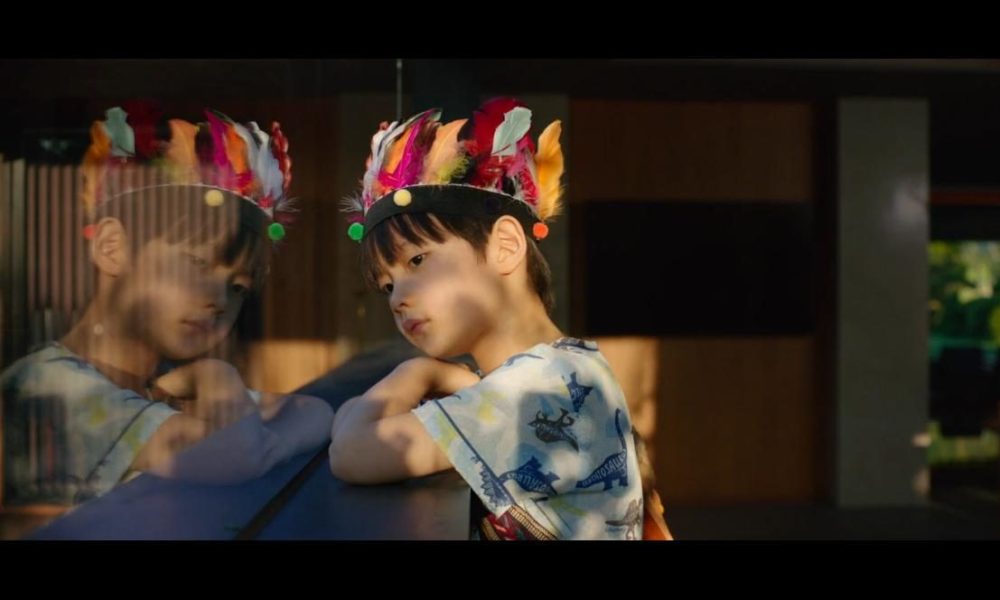
“Parasite” and the Plurality of Empire
Bong Joon-ho’s critique in Parasite is less of “universal” capitalism than of the particular imperialisms that have shaped Korean life.
-
More Mobility, More Problems
A philosopher examines how upwardly mobile students might thrive, and why they often will not.
-

Exile by the Bay
Imagining home is an inescapable preoccupation of disinherited people. Of all the possessions lost or denied, none is more precious than the security and feeling of belonging that a genuine home provides. It is appropriate, then, that The Last Black Man in San Francisco, a film about gentrification, centers not on physical dislocation but on…
-

B-Sides: Kazuo Ishiguro’s “The Unconsoled”
Ryder, the world-renowned pianist whose brief visit to an unnamed foreign city occupies the full 512 pages of Kazuo Ishiguro’s 1995 The Unconsoled, finds …