Series
An Engineer Reads a Novel
In An Engineer Reads a Novel, our columnist examines representations of science and technology in new works of fiction.
-
A Monster in the Shape of a Woman
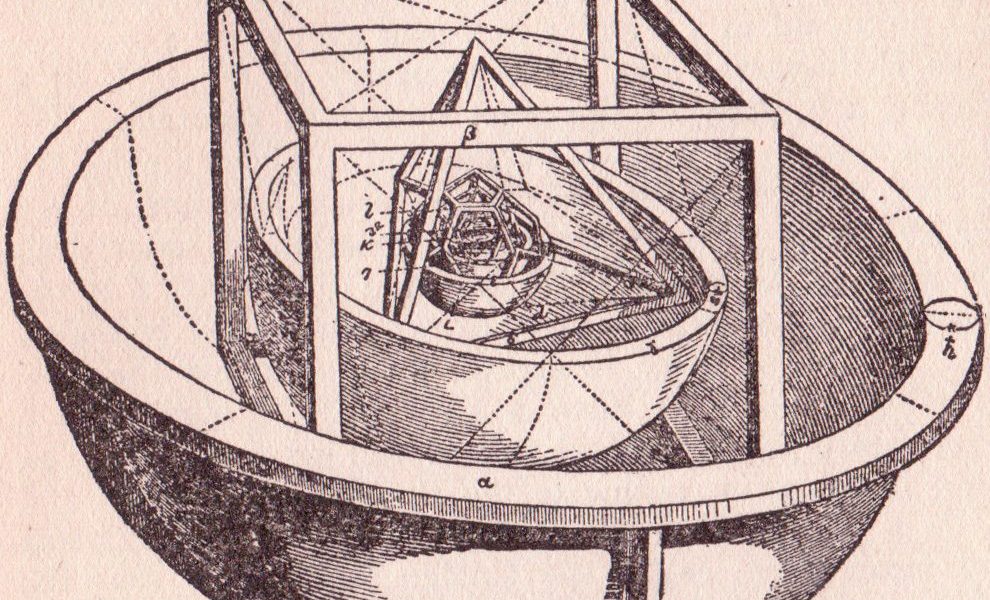
The same 17th-century society that enabled Johannes Kepler to make his famed astronomical discoveries also accused his own mother of witchcraft.




-
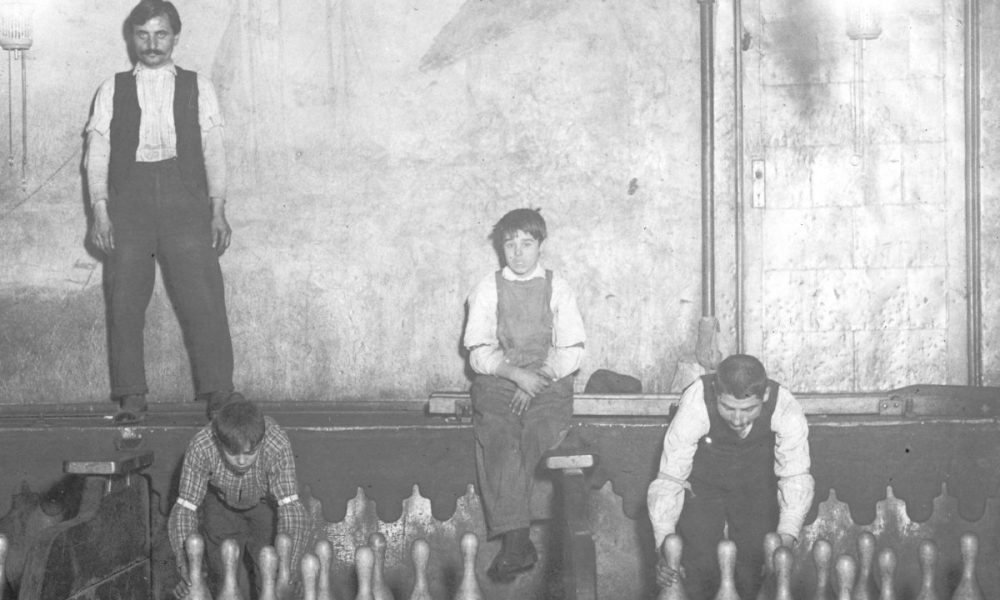
The Pinsetter’s Lament
What makes humans human? What distinguishes us from the machines we design to perform our tasks, machines we admire for their elegant mimicry, then resent and fear? If a compelling case …
-

In the Desert You Can’t Remember Your Name
“If I didn’t bomb some place, how would she save that place? … If I didn’t obliterate cities, who would build refugee camps?” War’s futility, absurd bureaucracy, and …
-
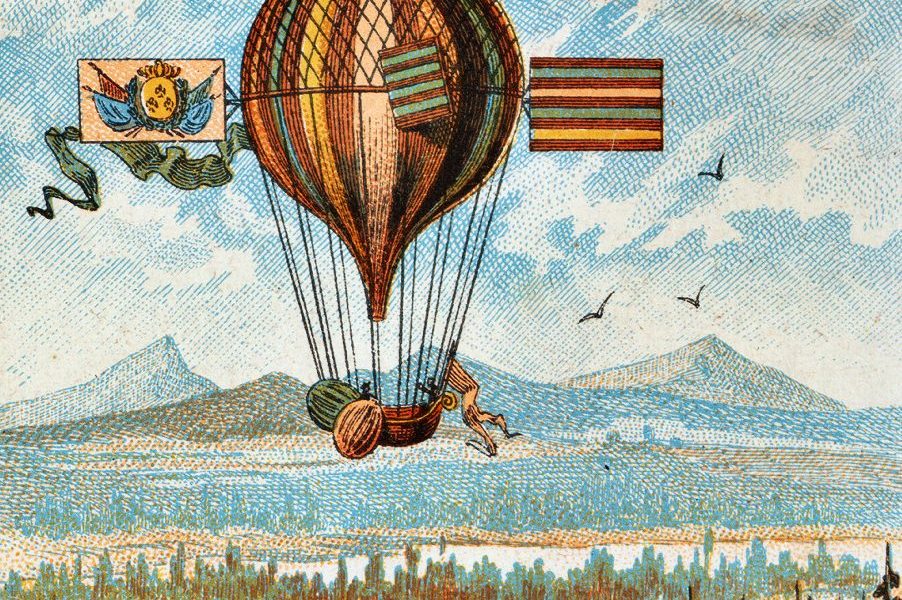
Turning History Inside Out
It’s not hard to imagine the Hollywood pitch meeting for an adaptation of Esi Edugyan’s new novel, Washington Black. “It’s 12 Years a Slave meets Jules Verne …
-

Unsex the Lab
Kit Owens, the protagonist of Megan Abbott’s Give Me Your Hand, is a postdoc in the research lab of academic rock star Dr. Lena Severin; Severin has just received a prestigious research grant when Kit’s …
-
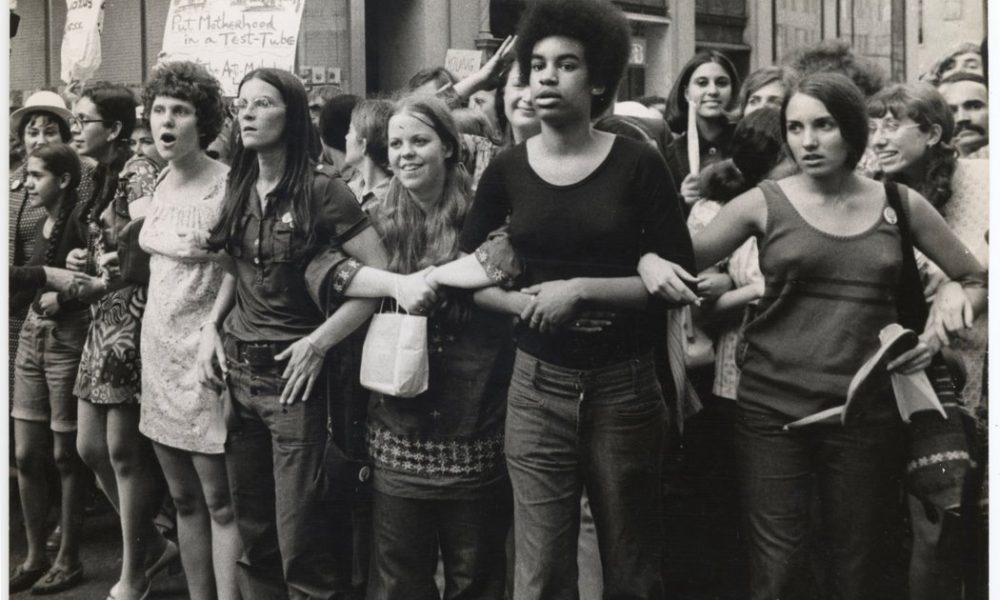
Famous and Unfamous Feminists
Meg Wolitzer’s new novel is enjoyably, inescapably “timely,” with its focus on modern feminism and its attention to collegiate rape culture, skirmishes in …
-

“The Shape of Power Is Always the Same”
What does your dream of female empowerment look like? You may have wistfully imagined that such a situation would result in more empathetic politics …
-
Robot and Juliet
What makes us fall in love with technology? In those enchanting early days, new tech can seduce with expanded horizons, allowing us to travel faster and farther, or connect across longer distances; and we appreciate this …
-
Good with Her Hands
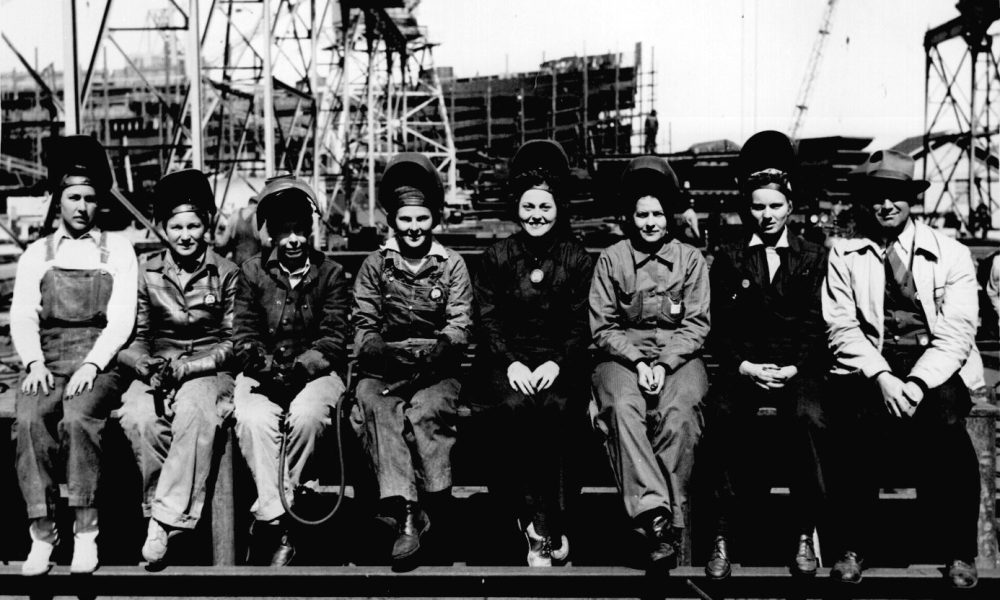
Jennifer Egan’s new novel, her first since 2010’s prismatic, prescient Pulitzer winner, A Visit from the Goon Squad, may surprise you. In Manhattan Beach, Egan’s virtuosic skills are devoted to verisimilitude …
-

Even Broken History Is History
Last month the mayor of New Orleans, Mitch Landrieu, spoke movingly about the removal of Confederate monuments and “the cult of the lost cause” they celebrate. The “Free Southerners” in Omar El Akkad’s debut novel, which opens in 2074, are also a cult of the lost cause: …
-
Science and the Wolf
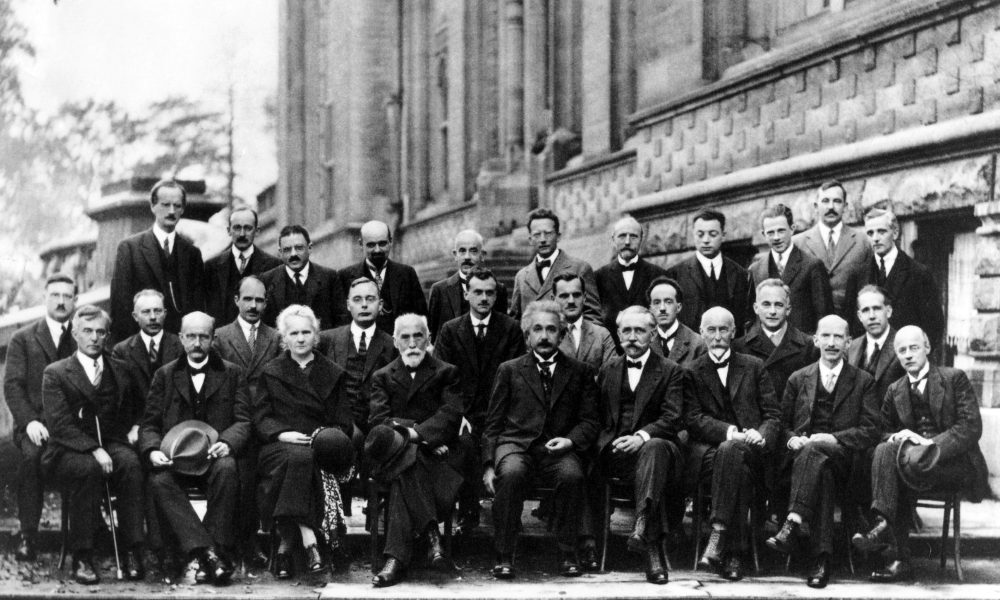
Once upon a time there was Science. Pure of heart, untainted by the kingdom’s societal structures or geopolitical context, Science was simply Science: an apolitical quest for objective truth and beauty. …
-
16 Books and Movies That Make You Want to Be an Engineer
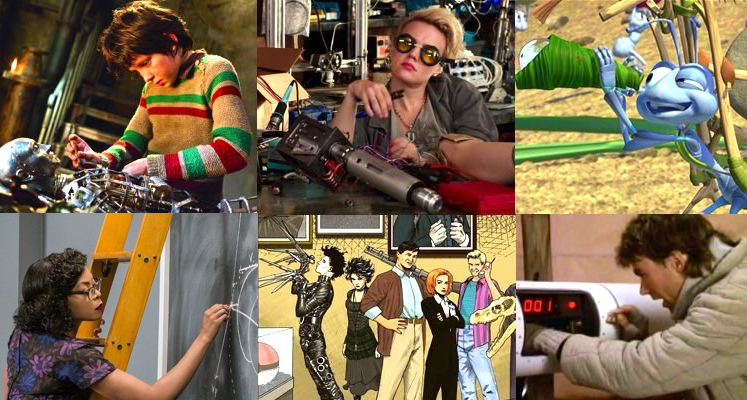
“Movie science” is often so ludicrous (Armageddon, 2012, The Core) that it gets used as a teaching tool: students are asked to identify the oops! moments in order to learn correct science …
-
Who Builds Anything In This Country?
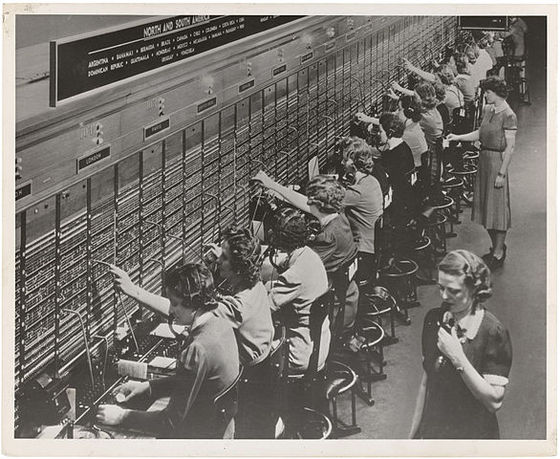
Colson Whitehead, you may have heard, has written a new novel. In The Underground Railroad, he has created a sympathetic protagonist, Cora, through whom readers can experience the surreal depredations of 19th-century …
-
Westward the Course of Empire Takes Its Way
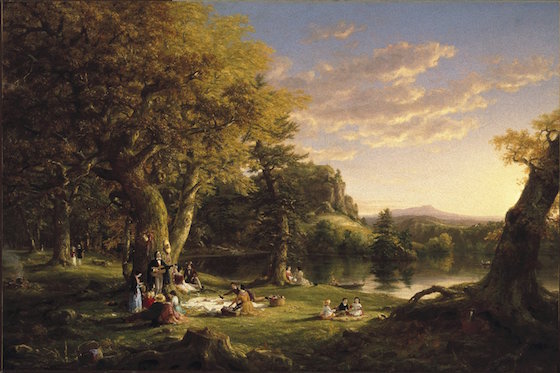
This is the fifth installment of our blog series An Engineer Reads a Novel. Annie Proulx’s epic novel Barkskins is a sweeping history of our ruinous human appetite for profit and “progress.” The novel spans more than three hundred years and four continents. Its sentences are lyrical, sensory wonders that rebuild lost worlds. We first…
-
Prophecy in Future Perfect
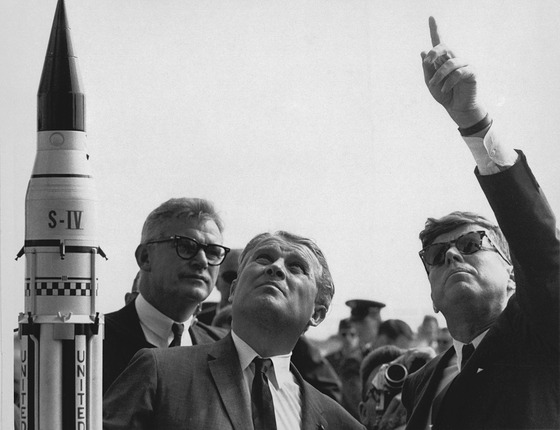
This is the latest installment of our series An Engineer Reads a Novel. When you’re looking for representations of technology in literature, it often turns out that Jules Verne got there first. He imagined machines decades before they were made real: submarines, rockets, and “cars” (these were robotic elephants with velvet-lined passenger salons, but still)…
-
Too Bad About the Trees
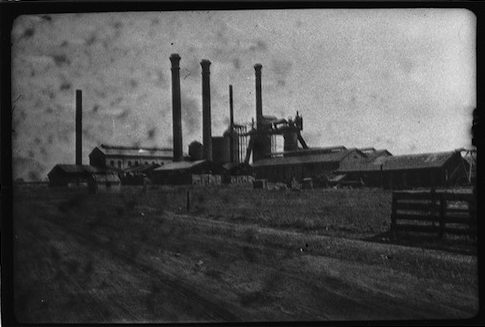
This is the latest installment of our new blog series, An Engineer Reads a Novel. Heat and Light, Jennifer Haigh’s fifth novel, highlights the complexity, dirtiness, and danger of the labor of supplying the elemental heat and light of its deceptively simple title. Haigh sets her tale in a fictional coal mining town, Bakerton, Pennsylvania,…
-

The “New York Values” of “City on Fire”
Some readers will come to Garth Risk Hallberg’s City on Fire with chips on their shoulders. Hallberg’s youth; the seeming ease with which he parlayed his manuscript into an enormous advance …
-
Technological Citizenship at the End of the World
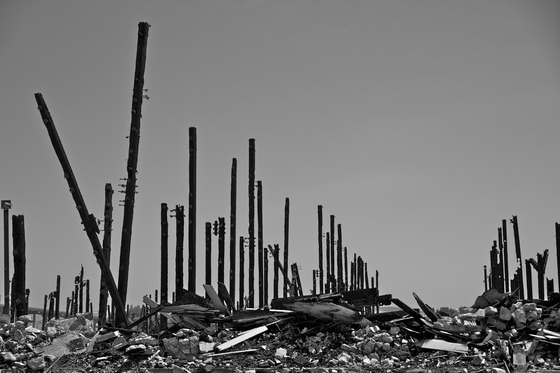
Technology, we like to say, is making us antisocial; truncating our attention spans; addicting us; depleting our fossil fuels. This commonplace ignores and undermines the people who develop our technologies, and exonerates the people whose use (or abuse) of tech ostensibly reveals their (our!) human frailties. This is doubly problematic. Engineers are people. The technological…